





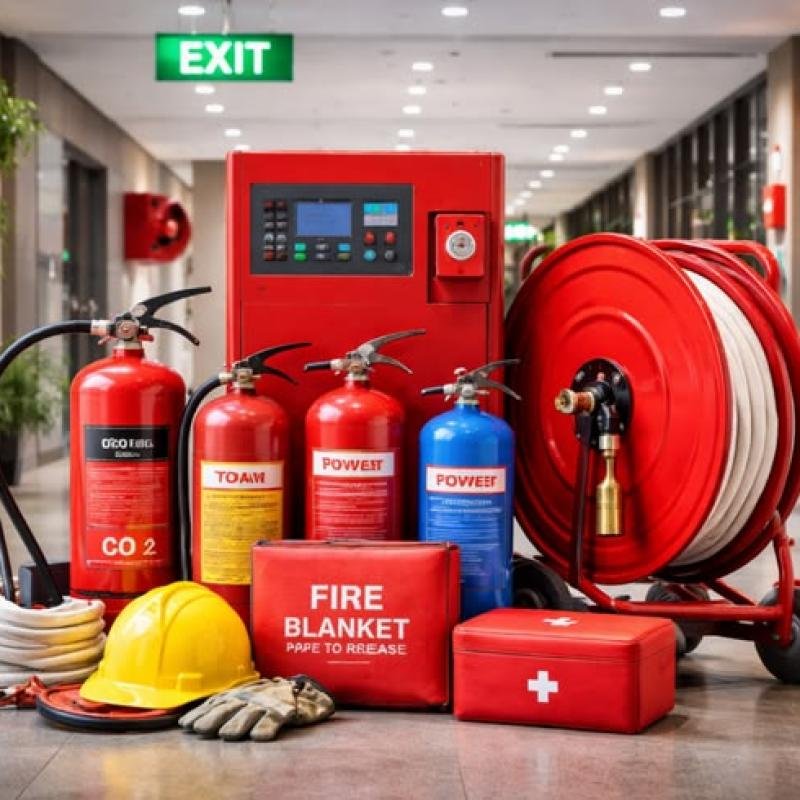
Introduction: Why Are These Documents the Key to Licensing and Operation?
Within the framework of Saudi Arabia's commitment to the highest safety standards, the process of issuing technical reports (both instant and non-instant) and fire safety tools installation certificates has become an essential and legally binding procedure for any establishment seeking to obtain or renew operational licenses. These documents are not merely routine paperwork; rather, they serve as the official regulatory passport proving to competent authorities—chief among them the Saudi Civil Defense—that your establishment is safe and fully compliant with all fire prevention and protection requirements.
This comprehensive guide aims to demystify these procedures, clarify the distinctions between each document, outline the practical steps to obtain them, and detail the regulatory frameworks governing them to ensure you secure your approvals smoothly and efficiently.
Section 1: Safety Tools Installation Certificate – The Core Document to Prove Readiness
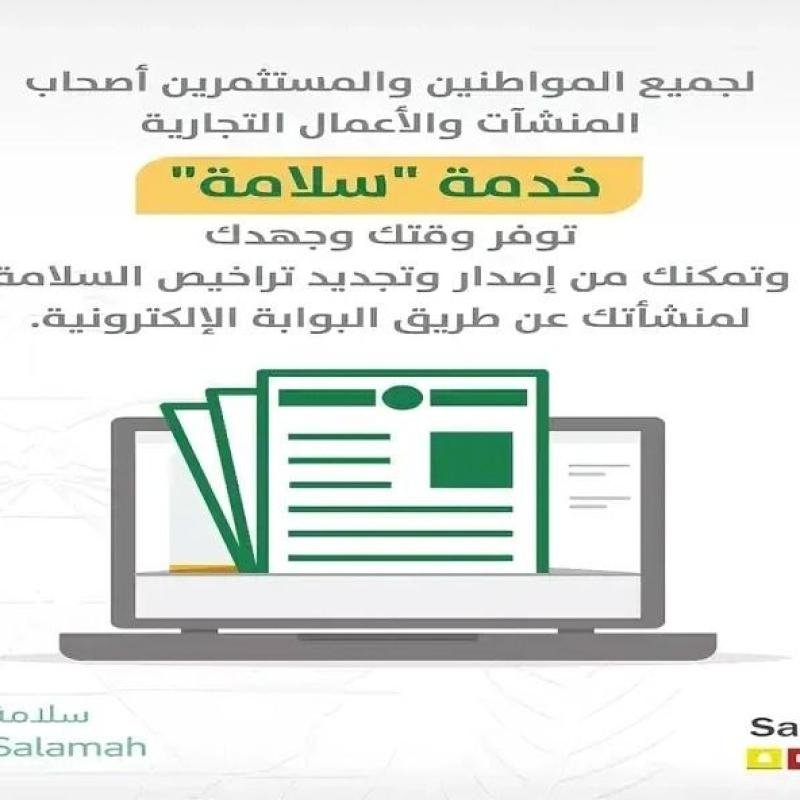
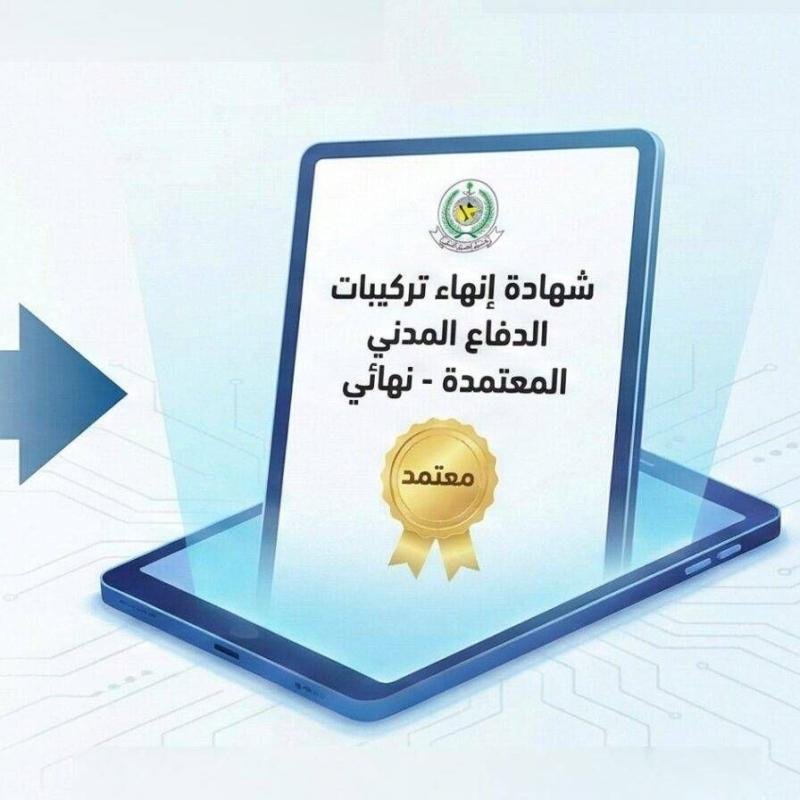
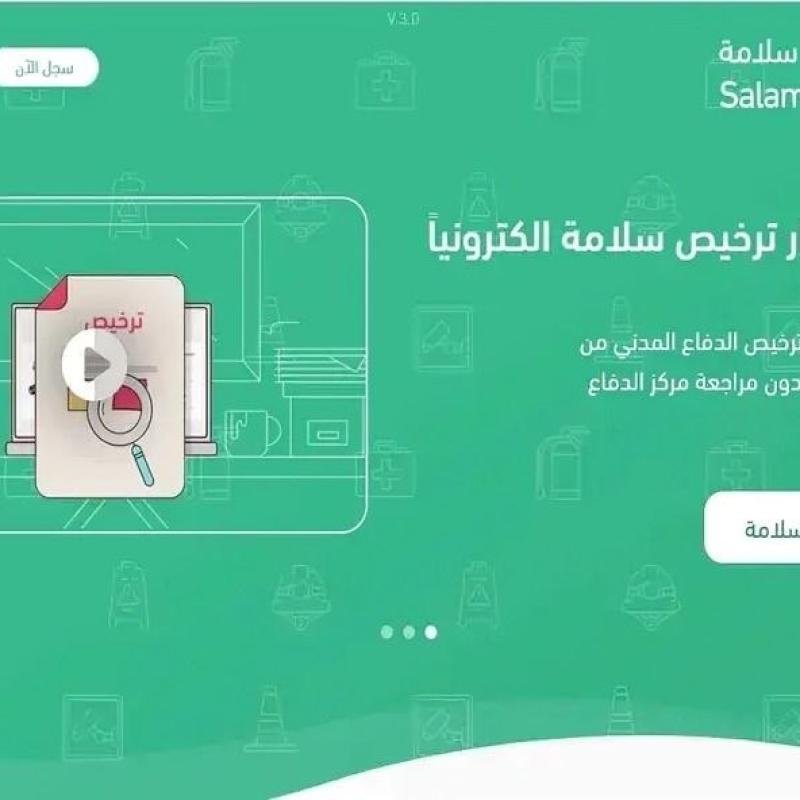
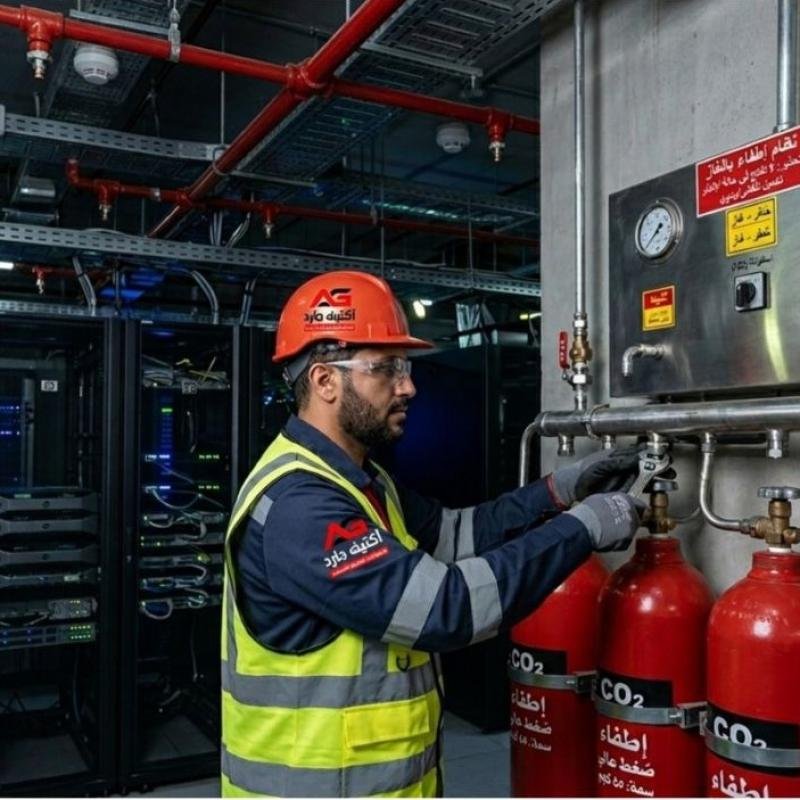
The safety tools installation certificate is defined as an officially certified electronic document issued via the "Salama" portal, which belongs to the electronic services of the Saudi Civil Defense. This certificate is issued by a safety company approved by the Civil Defense, certifying that the establishment has met all technical standards and requirements required for installing fire safety tools and systems, following a rigorous inspection.
What are the components of the certificate and its validity period?
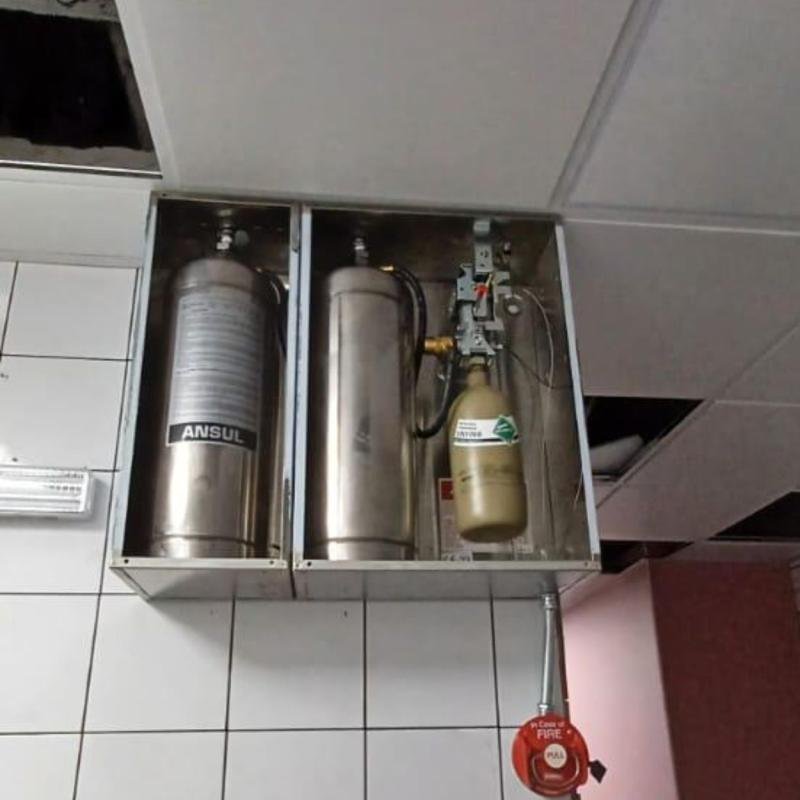
The certificate includes essential information such as: the establishment's name and address, type of commercial activity, unified establishment number, unique safety tools certificate number, a detailed statement of the installed safety tools and equipment (alarm systems, firefighting systems, extinguishers, etc.), and the name of the issuing approved company.
It is important to know that this certificate does not have a traditional expiration date; it is issued once and remains valid as long as the safety tools remain in place and fully functional. However, it may be effectively voided if any modifications are made to the building or activity that necessitate a re-evaluation, or when certain tools are consumed (such as using a fire extinguisher), requiring replacement and re-inspection.
Terms and Requirements for Obtaining the Certificate
To obtain the certificate, you must prepare the following documents: a copy of a valid commercial registration (Sijil Commercial), location and establishment address data according to the National Address, and the lease agreement or property title deed. Furthermore, the establishment must fulfill basic safety requirements, which include:
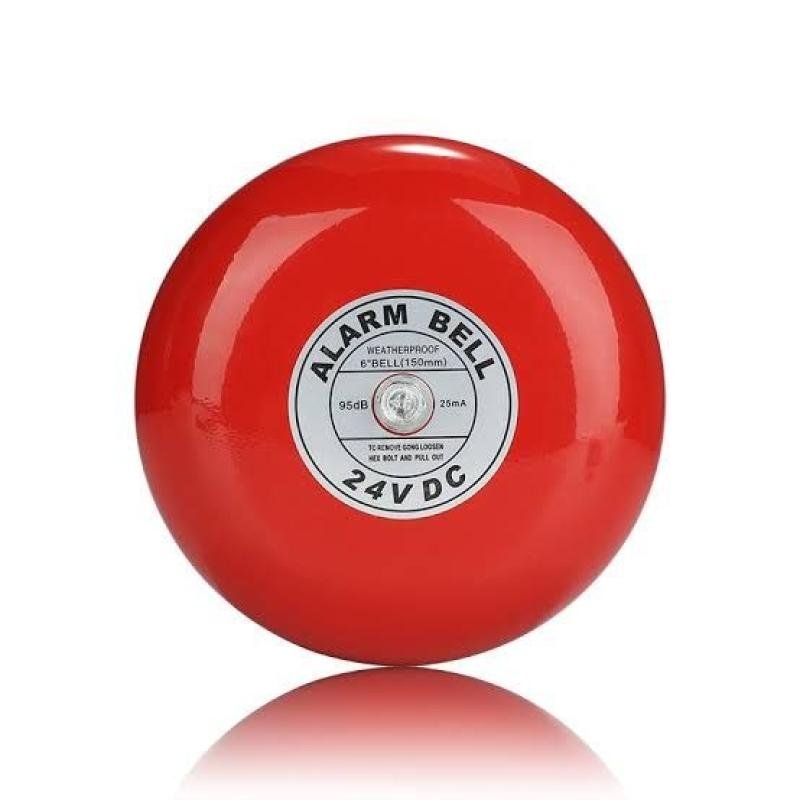
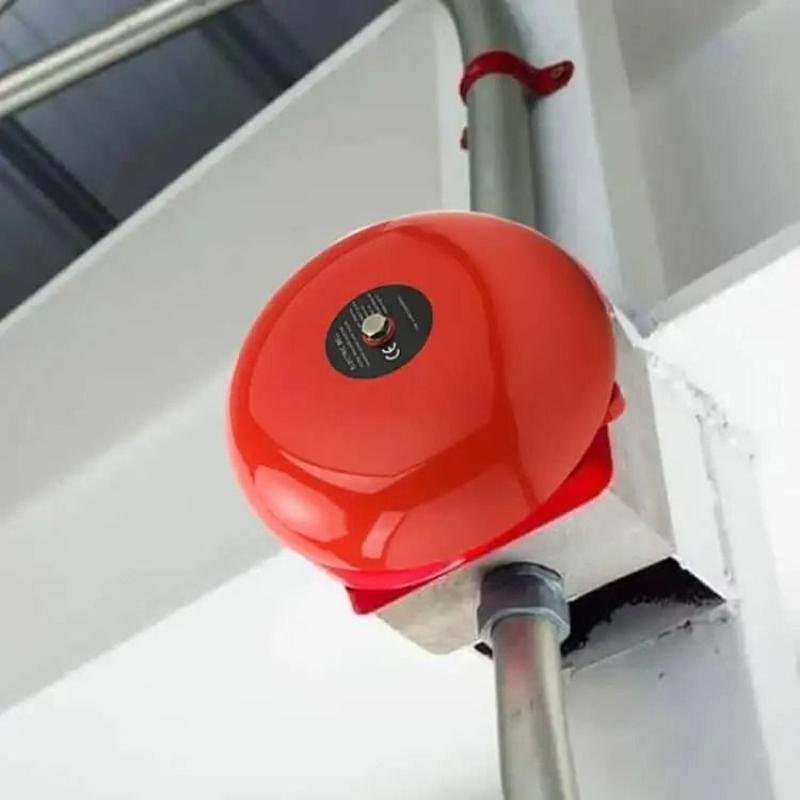
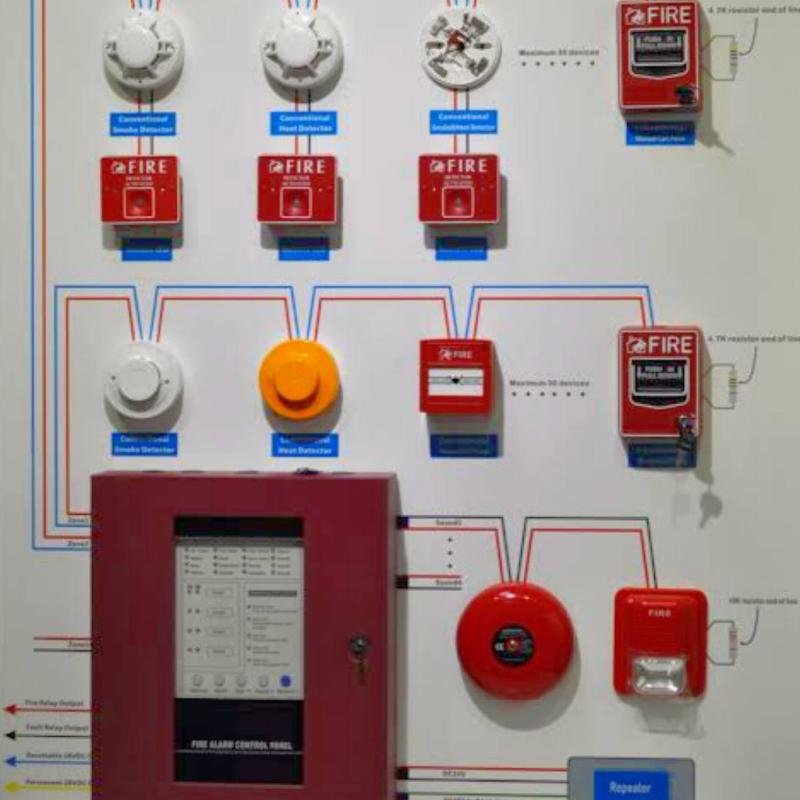
Effective Alarm Systems: The presence of functional alarm systems and smoke or heat detectors, installed according to approved specifications.
Fire Extinguishers: Providing fire extinguishers distributed across the site with clear instructional signage.
Emergency Exits: The presence of more than one emergency exit that is easily accessible and completely free of obstacles.
Emergency Lighting: Using clear emergency lighting and directional exit signs in corridors and at exits.
Evacuation Plans: Adopting clear evacuation plans and training all employees on them.
Steps for Certificate Issuance
The process of issuing a safety tools installation certificate is clear and streamlined, carried out through the following steps:
Determine the Activity Type: Access the "Investor Journey" service on the Salama platform and enter the activity type, area, and license type (new issuance or renewal) to determine the specific requirements.
Contract with an Approved Company: Contract with a safety company approved by the Civil Defense to install and inspect all safety systems and tools.
Submit the Request via the Salama Portal: The approved company uploads the request along with all required documents through the electronic Salama portal.
Certificate Issuance: After the request is approved and compliance is verified, the certificate is issued electronically with a unique identification number.
Verify the Validity of the Certificate: Upon receiving the certificate, ensure the presence of the 700 number (Ministry of Interior number) and that it matches what is stated in the commercial registration, then enter the number into the Balady or Salama platform to verify its validity.
Section 2: Technical Reports (Instant and Non-Instant)
Technical reports differ from the safety tools installation certificate regarding the nature of the requirements and the scale of the establishment. These reports are issued by an engineering office accredited by the Saudi Council of Engineers and are necessary in specific cases determined by the Civil Defense via the "Salama" platform.
Non-Instant Technical Report: This is typically requested for establishments requiring a more detailed engineering study or for larger areas. It is prepared by an accredited engineering office and includes a comprehensive evaluation of the safety systems in the establishment and the extent of their compliance with specifications and requirements. Its preparation takes a relatively longer time.
Instant Report (Fast Report): This is usually requested for small establishments with limited spaces, which require a quick audit of basic safety tools such as fire extinguishers and smoke detectors. This report is issued much faster.
To obtain a technical report, steps similar to issuing the certificate are followed, but through an accredited engineering office, and the report includes more comprehensive details about the technical condition of the systems and their compliance level.
Section 3: Official Frameworks and Approved References
All of these procedures are based on clear regulatory frameworks aimed at unifying safety standards in the Kingdom and ensuring the highest levels of protection.
General Directorate of Civil Defense: The official body responsible for setting and implementing safety and fire prevention regulations. Through the electronic "Salama" platform, all safety licensing services are managed, including the issuance of safety tools installation certificates and technical reports.
🔗 Saudi General Directorate of Civil Defense
Saudi Fire Code (SBC 801): The primary reference in the Kingdom, determining the minimum requirements to ensure life safety and property protection. All safety systems and blueprints must comply with the requirements of this code.
🔗 Saudi Fire Code SBC 801
Executive Regulations for Engineering, Technical, and Contracting Activities: Issued by the Civil Defense, organizing the work of companies and engineering offices operating in the field of safety systems, and obligating them to obtain the necessary licenses to practice installation and maintenance activities.
Balady Platform: The platform affiliated with the Ministry of Municipalities and Housing, which integrates with the "Salama" platform to link commercial activity licenses with safety certificates. When renewing a Balady license, the system requires entering the safety tools installation certificate number or the technical report number to verify its validity.
🔗 Balady Platform
Section 4: Best Practices and Tips to Ensure a Successful Issuance
To avoid any delays or rejections in the procedures for issuing your certificates and reports, it is highly recommended to follow these tips:
Choose an Approved Partner: Only deal with companies and engineering offices officially accredited by the Civil Defense and the Saudi Council of Engineers. This is your primary guarantee for quality of work and document acceptance.
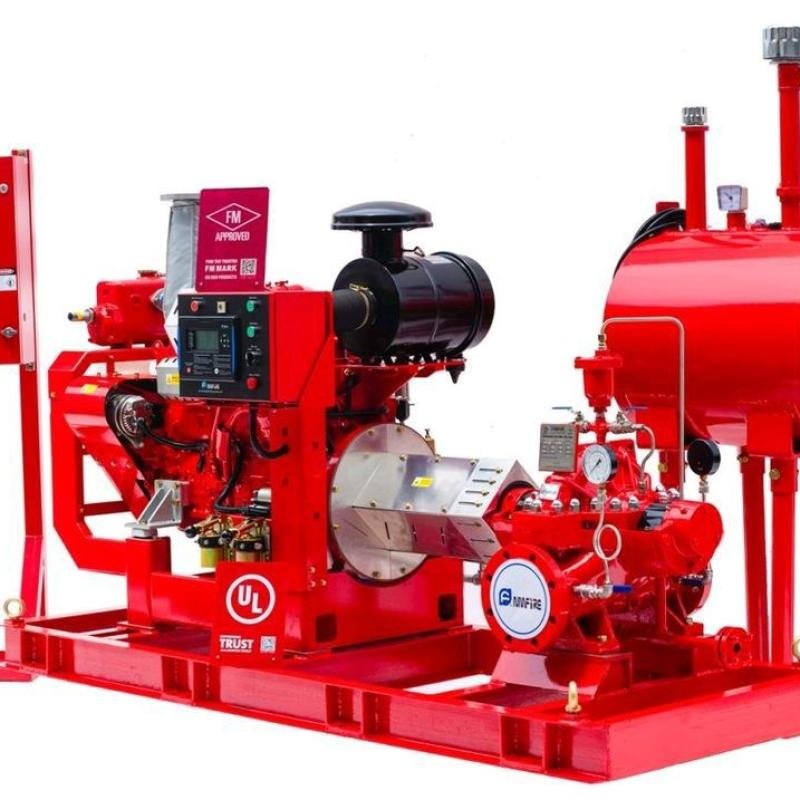
Ensure Equipment Quality: Make sure that all installed safety tools and systems (extinguishers, detectors, alarm systems) carry approved quality certifications such as SASO, UL, or FM certificates.
Accurate Documentation: Keep electronic and paper copies of all documents (commercial registration, lease agreements, invoices, certificates, reports) for easy access when needed.
Periodic Updates: In the event of any major modifications to the establishment (expansion, change of activity, adding new systems), the safety systems must be re-evaluated and the certificates and reports updated to ensure continuous compliance.
Leverage Electronic Platforms: Learn how to use the "Salama" and "Balady" platforms to track your requests and periodically verify the validity of your certificates.
Conclusion: Your Certificates are Your Investment in Safety
The process of issuing instant and non-instant reports and the safety tools installation certificate is more than just a bureaucratic procedure. It is a reflection of your establishment's commitment to the highest safety standards and the protection of lives and property, and it is a prerequisite for the continuity of your business and avoiding fines and violations.
By understanding the differences between these documents, the practical steps to obtain them, and relying on approved partners, you can ensure that procedures run smoothly and efficiently. Start evaluating your establishment's needs today, and connect with an accredited engineering office or safety company to ensure your safety profile is complete, updated, and to enjoy peace of mind knowing your establishment is safe and fully compliant with all regulations.