





Firefighting and life safety networks are the critical insurance policy for any commercial or industrial facility. However, many property owners and facility managers operate under the misconception that once these systems are installed, they last indefinitely. The engineering reality dictates that every component within a fire safety network possesses a finite operational lifespan dictated by ambient conditions, usage parameters, and preventative maintenance consistency. Neglecting system updates not only compromises structural safety but also subjects properties to severe regulatory penalties.
Mechanisms of System Degradation Over Time
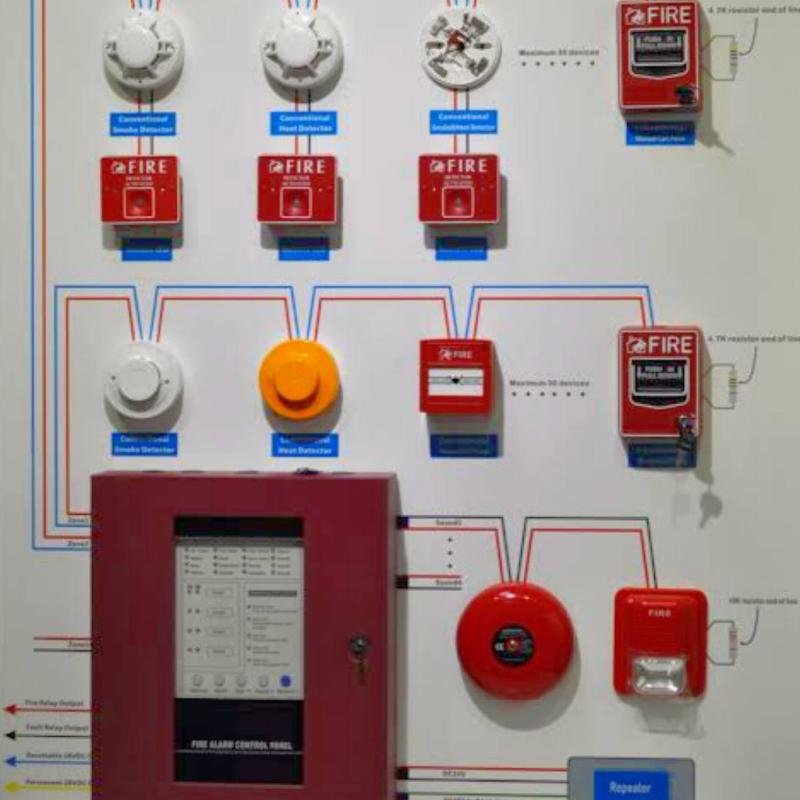
Over years of stagnation, metal piping networks utilized in automatic fire sprinklers suffer from a severe degradation mechanism known as Microbiologically Influenced Corrosion (MIC). This internal corrosion generates pinhole leaks and rust scaling that can catastrophically obstruct sprinkler heads during an emergency fluid delivery event. Concurrently, the electronic architectures of master alarm panels and detection field devices suffer from computational obsolescence, meaning replacement components become unavailable as manufacturers upgrade technological lineups.
Table: Expected Lifespan and Degradation Indicators of Fire System Components
System Component | Expected Operational Lifespan | Critical Degradation Indicators Requiring Replacement |
|---|---|---|
Smoke & Heat Detectors | 10 Years | Elevated false alarm rates, housing discoloration, sensor drift. |
Fire Alarm Control Panels | 11 - 15 Years | Frequent motherboard logic faults, unavailable manufacturer replacement parts. |
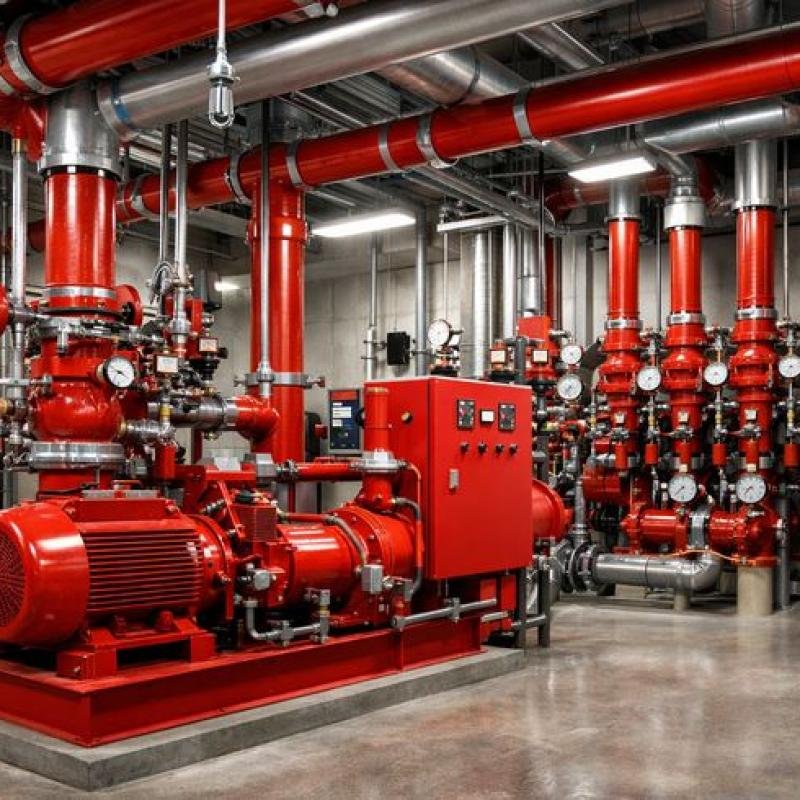
Metallic Sprinkler Piping | 20 - 25 Years | External pitting, scale build-up, localized joint leaks, pressure loss. |
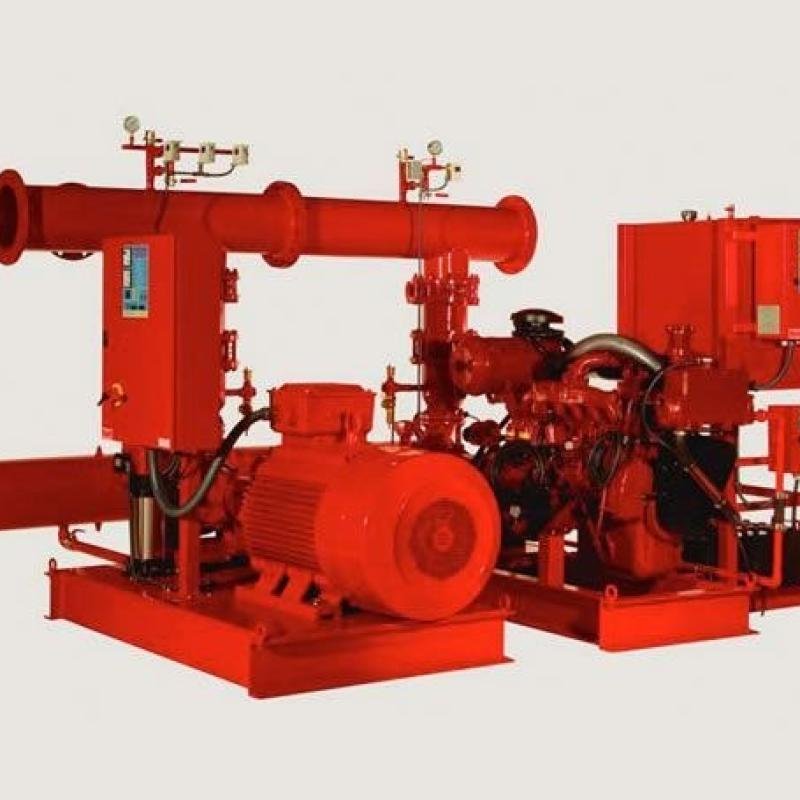
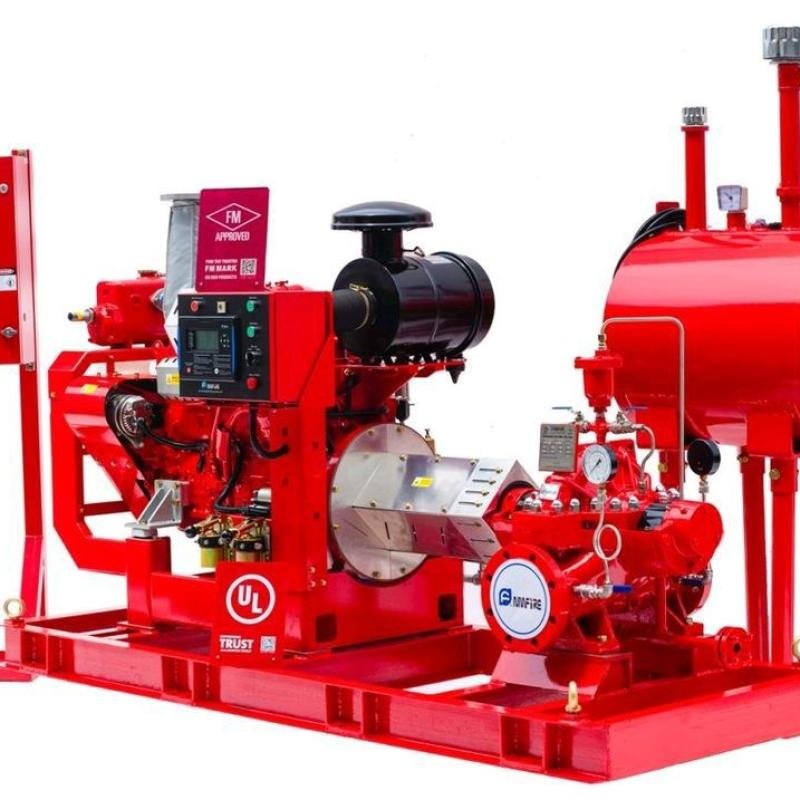
Commercial Fire Pumps | 20 Years | Excessive driver vibration, automated startup failures, impeller cavitation. |
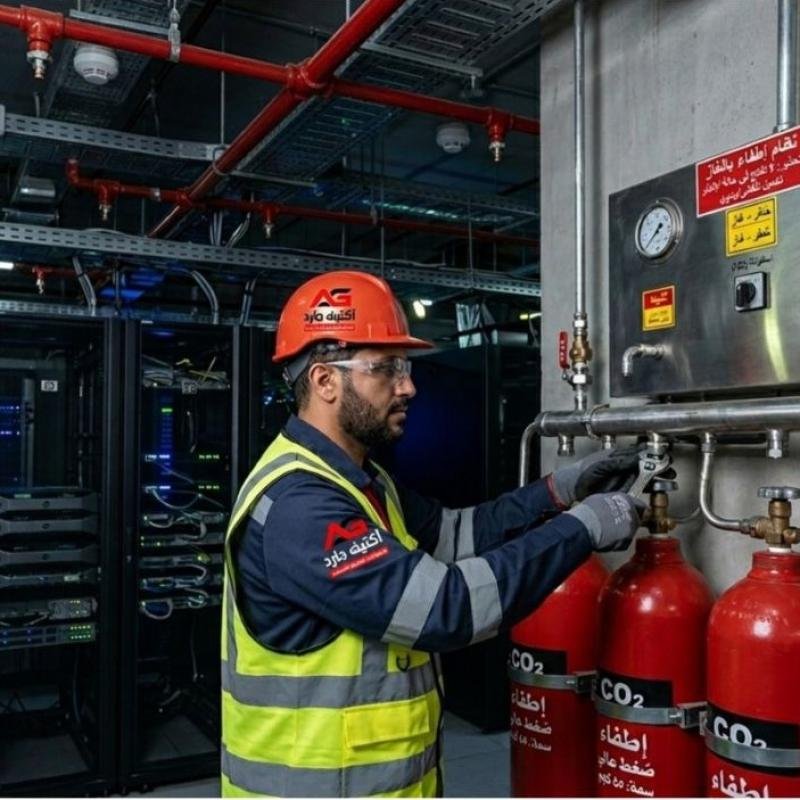
Portable Extinguishers | 5 - 12 Years | External cylinder corrosion, damaged pressure gauges, hydrostatic test failure. |
Indicators Demanding Urgent Asset Re-engineering
Escalating Corrective Maintenance Costs: When the cumulative annualized cost of fixing network leaks and replacing obsolete sensors approaches the financial investment of a new installation.
Change of Occupancy Hazard Profiles: Converting a low-hazard commercial office space into a high-piled combustible storage warehouse changes the facility's classification under code regulations, mandating full infrastructure upgrades.
Updated Civil Defense Directives: When updated structural engineering safety bylaws mandate the inclusion of modern technological redundancies not found in legacy networks.