





🎨 Painting Works in Saudi Arabia: Compliance Guide, Specifications, and Best Practices
Introduction: Between Aesthetics and Compliance – Why Are Paints an Essential Element of Sustainable Construction?
Painting works represent the final stage that gives a building its visual identity and protects it from environmental factors. Given the desert climate of the Kingdom of Saudi Arabia and its commitment to achieving urban quality under Vision 2030, choosing paints that conform to standard specifications has become mandatory – not only to ensure aesthetic appearance but also to ensure durability, safety, and energy efficiency. This guide highlights the technical and regulatory requirements for ensuring the implementation of safe and approved painting works.
Section One: Types of Paints and Their Uses
Paints are primarily classified according to solvent type and chemical composition to suit different usage conditions:
1. Water-Based Paints
| Feature | Description |
|---|---|
| Solvent | Water as primary solvent |
| Advantages | Low VOC emissions, fast drying |
| Applications | Interior walls and ceilings, residential and commercial |
2. Solvent-Based Paints (Oil-Based)
| Feature | Description |
|---|---|
| Solvent | Organic solvents |
| Advantages | Hard layer, high abrasion resistance |
| Applications | Wooden doors, metal surfaces |
| Disadvantage | Longer drying time |
3. Acrylic Paints
| Feature | Description |
|---|---|
| Type | One of the most common water-based paints |
| Advantages | Flexibility, color stability |
| Applications | Living rooms, bedrooms |
4. Epoxy Paints
| Feature | Description |
|---|---|
| Type | Two-component paints |
| Advantages | Highly durable, high resistance to abrasion and chemicals |
| Applications | Industrial floors, garages, factories |
5. Silicone and Heat-Reflective Paints
| Feature | Description |
|---|---|
| Advantages | Helps reduce building temperature, lowers cooling energy consumption |
| Applications | Exterior facades |
| Importance | Essential for projects seeking energy efficiency certification |
6. Intumescent (Fire-Resistant) Paints
| Feature | Description |
|---|---|
| Mechanism | Expands when exposed to high heat, forming insulating layer |
| Applications | Protecting metal structures and walls |
| Testing | Subject to stringent tests according to SASO 2982 and relevant technical regulations |
Section Two: Regulatory Framework and Official References
Painting works are subject to an integrated system of regulations and specifications in Saudi Arabia:
First: Technical Regulation for Paints (Dyes) and Varnishes
Issued by the Saudi Standards, Metrology and Quality Organization (SASO) , this regulation applies to paints used in residential buildings, commercial buildings, and public facilities at any stage of the supply chain.
| Coverage | Details |
|---|---|
| Requirements | Quality, labeling, environmental considerations |
| Limits | Hazardous material content, Volatile Organic Compounds (VOCs) |
| Update | Recently amended to include more detailed lists of covered products |
Second: Labeling and Data Requirements
According to SASO requirements, paint containers must bear clear data in both Arabic and English in a visible location, including:
| Label Element | Description |
|---|---|
| 📝 | Product name and type |
| 🏭 | Manufacturer name and brand |
| 🌍 | Country of origin |
| 📅 | Production date |
| ⚖️ | Net weight or volume |
| 📖 | Application instructions |
| ⚠️ | Safety warnings |
Third: Conformity Certificates (SABER)
Paint products are subject to the SABER electronic system, requiring importers and manufacturers to obtain:
| Certificate | Description |
|---|---|
| PCoC (Product Conformity Certificate) | Required before product enters Saudi market |
| SCoC (Shipment Conformity Certificate) | Required for each shipment |
🔑 Assessment Mode: Type 3 – typically requires factory auditing and testing in an ISO/IEC 17025 accredited laboratory.
Fourth: Saudi Quality Mark
| Aspect | Details |
|---|---|
| Applicability | Mandatory for many paint and varnish products |
| Purpose | Confirms product conformity to standard specifications through effective quality management system and accredited test reports |
| Validity Period | 3 years |
| Requirement | License from SASO required for use |
Fifth: Safety Standards for Paints (Civil Defense)
The General Directorate of Civil Defense issued the "Safety Conditions for Paint and Coating Workshops and Retail Shops" regulation to organize the storage and handling of paints and hazardous chemicals to prevent fires and ensure public safety.
⚠️ Requirement: Paints used in public buildings and commercial projects must conform to approved safety specifications.
Sixth: Saudi Building Code
Finishing works, including paints, must fully comply with the requirements of the Saudi Building Code (SBC 201) , including safety and public health requirements. Paint application and execution must be according to approved specifications in the contract.
🔗 Official References:
Technical Regulations – SASO
SABER Electronic System
General Directorate of Civil Defense – Safety Regulations
Section Three: Permitting and Licensing Procedures
To implement painting works within a construction project, the following procedures for obtaining appropriate permits must be followed:
First: Project Plan Approval
The Ministry of Municipal and Rural Affairs and Housing requires submission of detailed architectural and structural plans including specifications of interior and exterior finishing materials, including:
| Required Detail | Description |
|---|---|
| Paint types | Specifications of all paint materials |
| Heat resistance ratings | Thermal performance specifications |
| Durability ratings | Wear and weather resistance |
| Compliance | Exterior walls must conform to SBC requirements for paint or cladding type |
✅ Plans are approved before issuing the building permit.
Second: Activity Licensing (for Painting Contractors)
If the activity involves executing painting works, a professional license corresponding to the specified classification (e.g., "Exterior Painting Contractor and Interior/Exterior Plastering") must be obtained via the Balady platform.
| Requirement | Description |
|---|---|
| 📋 | Required experience certificates |
| 🎓 | Required qualification certificates |
Third: Compliance with Workplace Safety Conditions
Contractors and subcontractors are required to comply with Civil Defense regulations for paint and coating workshops, including:
| Requirement | Description |
|---|---|
| 💨 | Adequate ventilation |
| 📦 | Safe material storage |
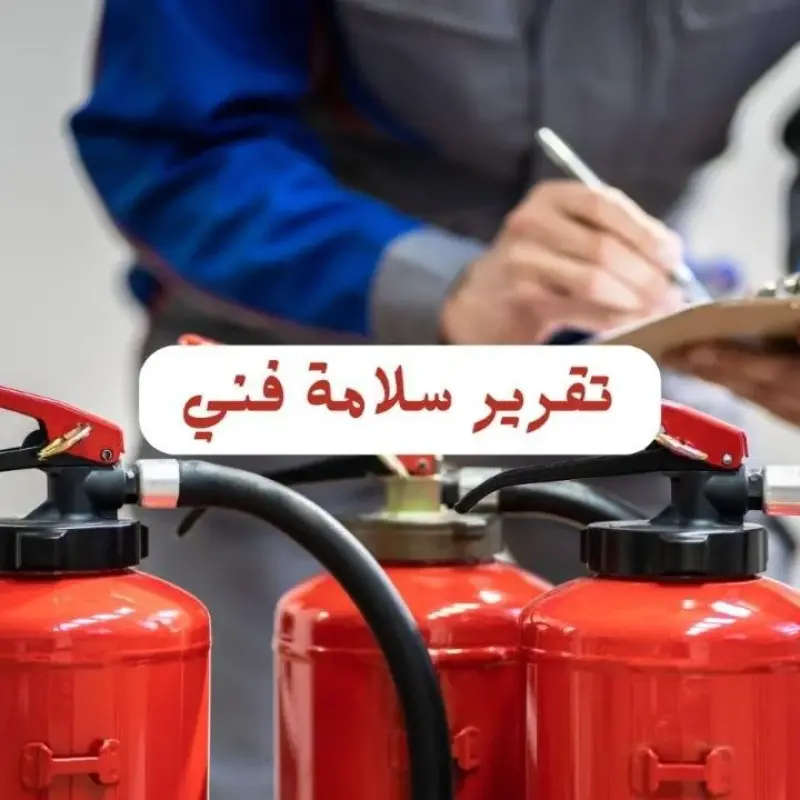
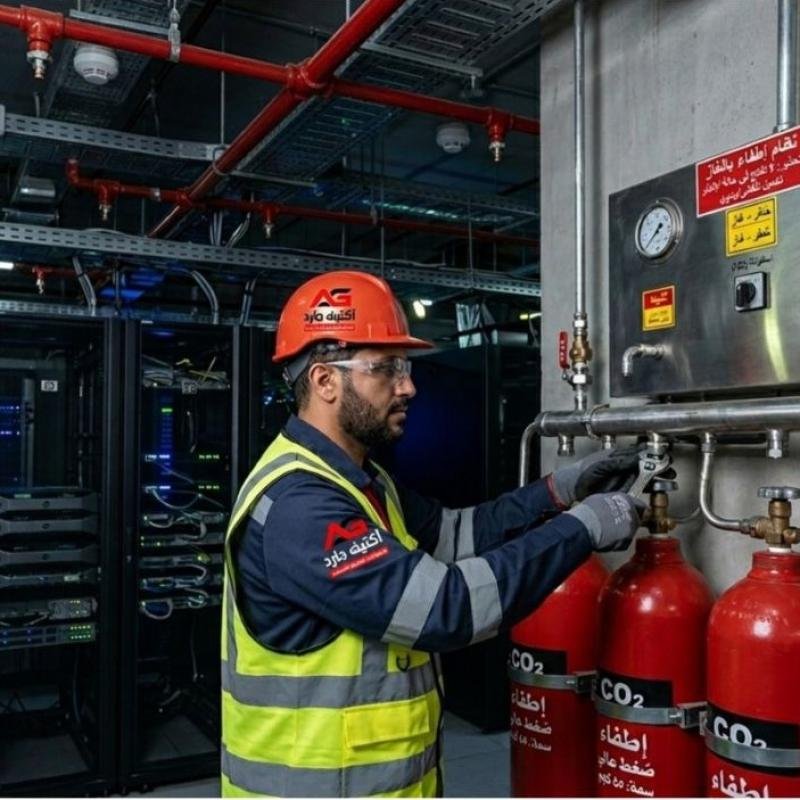
| 🧯 | Fire extinguishers availability |
| 🛡️ | Use of personal protective equipment (PPE) |
🔗 Official Reference: Balady Platform – Municipal Electronic Services
Section Four: Regulatory Authorities and Approved References
Multiple authorities are responsible for supervising the quality and safety of paints in the Kingdom:
| Authority | Primary Responsibilities |
|---|---|
| Saudi Standards, Metrology and Quality Organization (SASO) | Setting specifications and technical regulations for paints, supervising SABER system, granting Quality Mark |
| General Directorate of Civil Defense | Supervising safety and fire prevention requirements in paint workshops and storage sites |
| Ministry of Municipal and Rural Affairs and Housing (MOMRAH) | Approving finishing materials in plans, issuing municipal licenses for activities |
| Balady Platform | Issuing construction and professional licenses, facilitating compliance procedures |
Section Five: Best Practices for Quality and Compliance
| Practice | Description |
|---|---|
| ✅ Purchase Compliant Products | Ensure all paint materials have SABER conformity certificates, carry Saudi Quality Mark where applicable, and conform to SASO 2881 or SASO 2982 for specialized products |
| 🔬 Use Accredited Laboratories | Test reports submitted to prove quality must be issued by ISO/IEC 17025 accredited laboratories |
| 🛡️ Comply with Safety Requirements | Store paints in designated, well-ventilated areas away from heat and ignition sources; provide appropriate fire extinguishers |
| 📐 Prior Engineering Coordination | Coordinate between architect and contractor to select appropriate paint types for exterior facades to withstand harsh climatic conditions and for interior finishes to achieve required resistance |
| 📋 Final Documentation | Obtain comprehensive technical report after completion including conformity certificates for products used and proof of execution compliance with standard specifications |
Conclusion: Approved Paints are an Investment in Quality and Safety
In conclusion, painting works in the Kingdom of Saudi Arabia represent an integral part of the quality and safety system in construction and building.
By adhering to the Technical Regulation for Paints issued by SASO, obtaining conformity certificates via the SABER system, complying with Civil Defense requirements, and contracting with approved contractors, any project can ensure interior and exterior finishes that are safe, beautiful, and compliant with the highest standards.
💡 Investing in high-quality, code-compliant paints is not just an investment in the aesthetic appearance of spaces – it is an investment in the safety of building occupants, the long-term sustainability and value of the building, and the avoidance of fines and violations.
Start today by assessing your project's needs, contacting the relevant authorities to obtain permits, and relying on certified experts and engineers to ensure your facility's paints are safe, beautiful, and compliant with the highest standards.
📊 Summary Table – Quick Reference
| Aspect | Key Point |
|---|---|
| Primary Regulation | Technical Regulation for Paints (Dyes) and Varnishes – SASO |
| Product Compliance | SABER System (PCoC + SCoC) |
| Quality Certification | Saudi Quality Mark (mandatory for many products) |
| Safety Authority | Civil Defense |
| Building Code | SBC 201 (finishing requirements) |
| Key VOC Requirement | Low VOC emissions for water-based paints |
| Specialized Paints | Intumescent (SASO 2982), Heat-reflective, Epoxy |
| Labeling Language | Arabic and English |
❓ Frequently Asked Questions (FAQ)
1. Are all paints required to have SABER certification?
Yes, all paints imported into or manufactured in Saudi Arabia must have PCoC and SCoC certificates via the SABER system.
2. What is the difference between water-based and solvent-based paints?
| Aspect | Water-Based | Solvent-Based |
|---|---|---|
| Drying time | Fast | Slow |
| VOC emissions | Low | High |
| Durability | Good | Very good |
| Cleaning | Water | Thinner/solvent |
3. Are heat-reflective paints mandatory for exterior walls?
While not universally mandatory, they are highly recommended and often required for projects seeking energy efficiency certification.
4. How can I verify if a paint product is certified?
Check the SABER system using the product's certificate number or scan the QR code on the container if available.
5. What is the penalty for using non-compliant paints?
Penalties may include fines, confiscation of materials, project delays, and denial of completion certificates.
6. What PPE should painters use?
| PPE | Purpose |
|---|---|
| Mask/Respirator | Inhalation protection |
| Gloves | Skin protection |
| Goggles | Eye protection |
| Coveralls | Body protection |