





Lithium Battery and EV Safety
As the global transition toward clean energy accelerates through 2026, Electric Vehicles (EVs) have become a standard fixture in commercial parking structures and residential complexes. While this transit revolution lowers carbon outputs, it introduces an entirely unprecedented hazard profile that challenges traditional building safety layouts: Lithium-ion battery fires. Electric vehicle fires differ fundamentally from conventional liquid fuel fires (gasoline or diesel); they are characterized by an intense, volatile electrochemical reaction known as Thermal Runaway, requiring specialized emergency suppression tactics.
Mechanics of Thermal Runaway and the Suppression Challenge
Thermal runaway initiates when an individual lithium-ion battery cell experiences mechanical impact damage, a manufacturing defect, short-circuiting, or localized overcharging, causing its internal temperature to spike violently. This excessive heat triggers a domino effect, cascading to adjacent cells and driving a self-sustaining chemical reaction that yields temperatures exceeding 600°C alongside toxic, highly flammable off gases.
The profound danger of an EV fire is that the chemical breakdown generates its own oxygen internally, meaning standard fire suffocation methods are ineffective. Furthermore, because the core battery pack is heavily insulated beneath the chassis, the vehicle can spontaneously reignite hours or even days after visible flames are extinguished if the core chemistry is not thoroughly cooled.
Table: Specialized Fire Safety Measures for EV Charging Environments
| Integrated Safety Infrastructure | Engineering Purpose in Parking Enclosures | Operational Parameters & Standards |
|---|---|---|
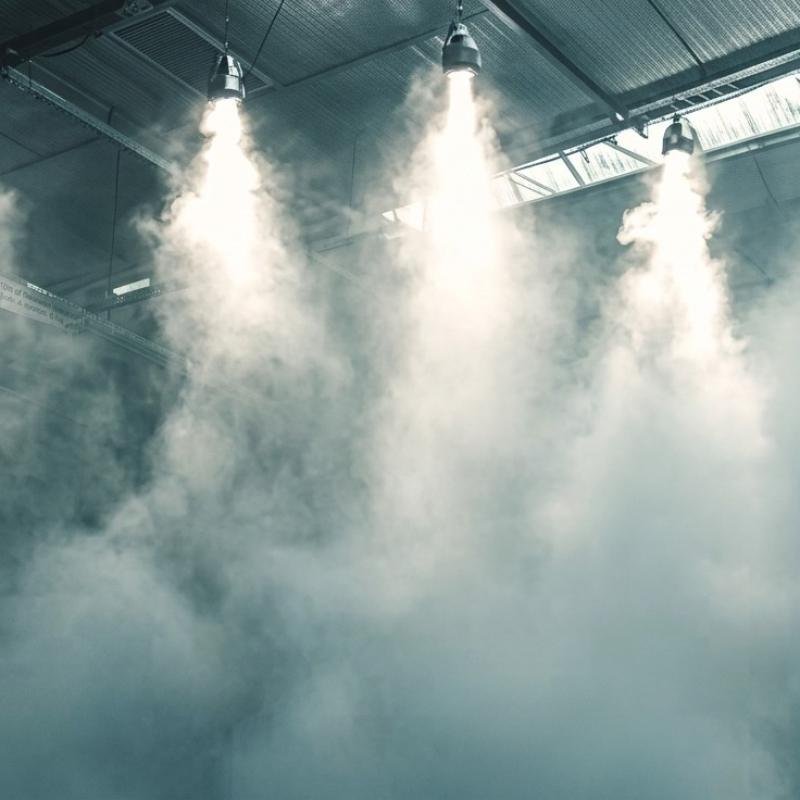
| Extended-Duration Sprinklers | Delivers prolonged cooling to suppress peripheral vehicle exposure. | Requires high-density water delivery over extended timelines to absorb heat. |
| Early Gas Detection Arrays | Identifies early off-gassing signs before open ignition. | Tuned to sense trace concentrations of Hydrogen and Carbon Monoxide gases. |
| Heavy-Duty EV Car Blankets | Isolates the burning vehicle and traps highly toxic fumes. | Massive blankets woven from treated fiberglass capable of withstanding 1000°C. |
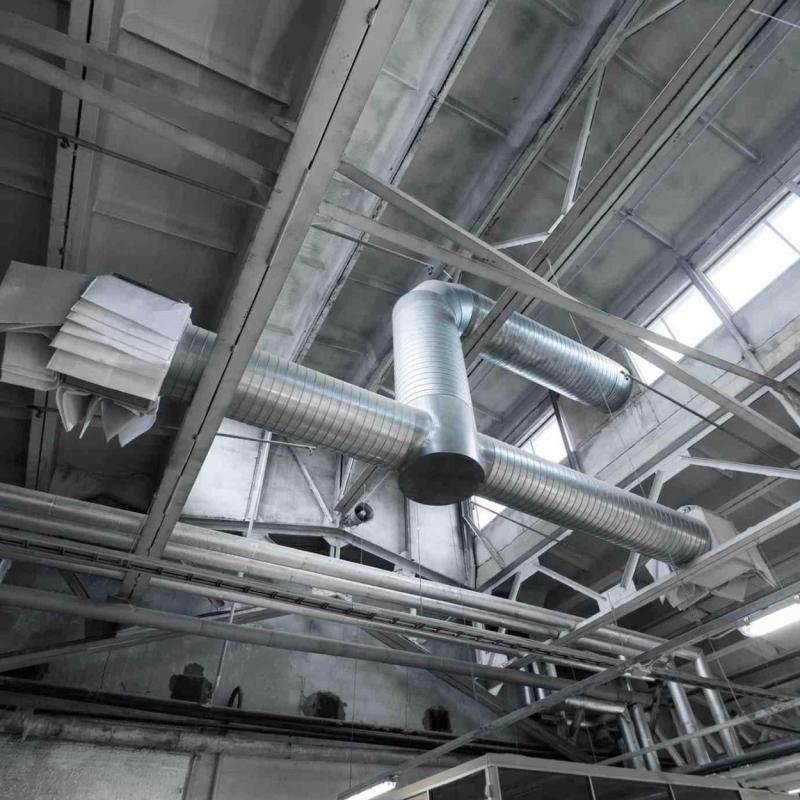
| Mechanical Smoke Extraction | Vents toxic and combustible off-gases from enclosed structures. | Jet fan ventilation programmed to ramp to maximum extraction upon EV zone alarm. |
Advanced Tactical Management for EV Fleet Hazards:
High-Volume Targeted Fluid Cooling: Extinguishing a lithium-ion battery fire requires delivering thousands of gallons of water directly to the undercarriage enclosure to absorb thermal mass and halt the internal chemical chain reaction.
Deploying Specialized Car Fire Blankets: Dropping an emergency EV fire blanket over the vehicle physically isolates the hazard, preventing radiant heat transfer to neighboring assets—an essential strategy for subterranean parking decks.
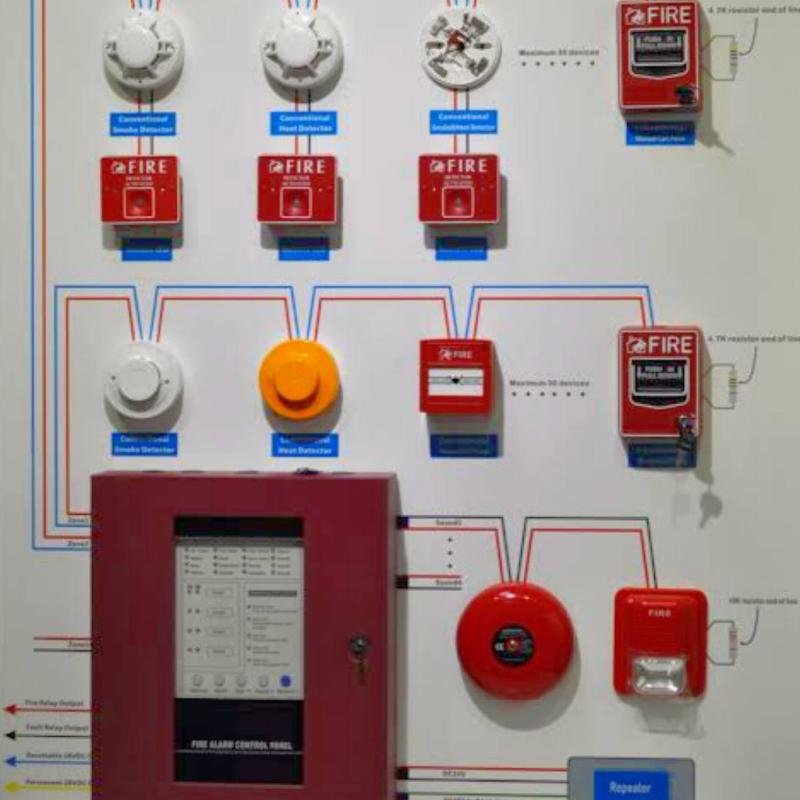
Automated Shunt-Trip Integration: Interlocking the building’s master Fire Alarm Control Panel to automatically cut incoming electrical power to dedicated EV charging bays the moment a localized detector activates.
Conclusion:
Ultimately, integrating electric vehicle charging bays into commercial infrastructure demands that property developers and asset managers upgrade their active fire life safety protocols. Fortifying parking layouts with targeted off-gas detection, enhanced sprinkler densities, and specialized thermal isolation blankets is an absolute necessity to prevent catastrophic structural losses and preserve corporate property integrity.