





False alarms in commercial fire networks represent more than just a nuisance; they are a direct financial and operational liability. Unwarranted alarms disrupt manufacturing schedules, induce costly downtime, and generate an underlying threat known as "alarm fatigue." When building occupants grow accustomed to frequent false triggers, they stop treating sirens seriously, leading to catastrophic complacency during a real emergency.
Technical Root Causes of False Signals
Most false alarms stem from poor field maintenance practices or choosing the wrong detector for a specific ambient environment:
Dust and Airborne Debris Accumulation: Photoelectric smoke detectors rely on a light-scattering chamber. Accumulations of airborne dust particles can obscure or scatter the internal sensor beam, tricking the unit into sending an alarm signal.
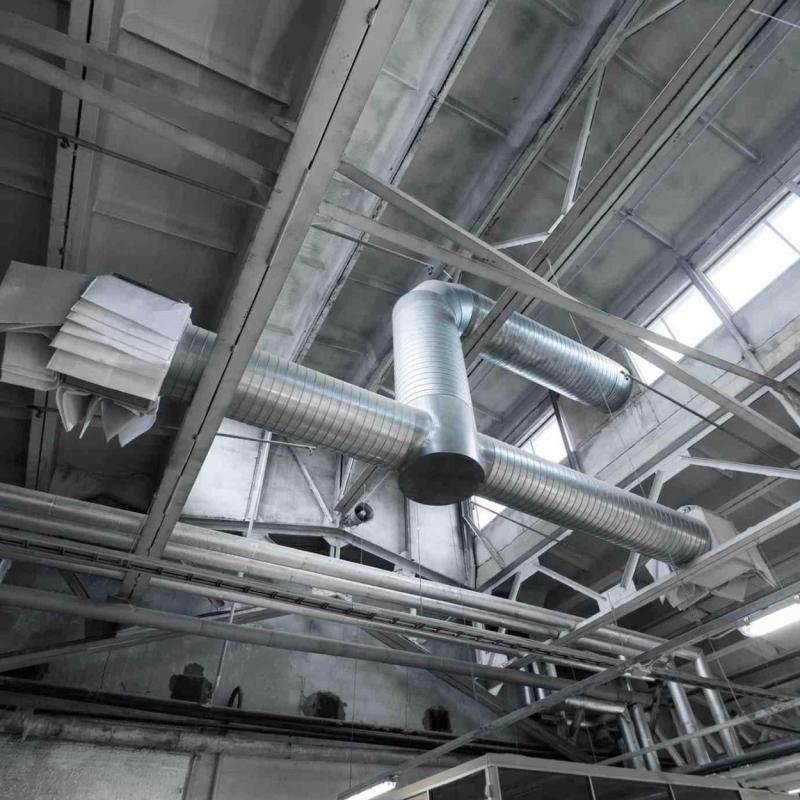
Air Velocity and Humidity Fluctuations: Installing detectors directly underneath HVAC diffusers or too close to humid washrooms exposes sensors to sudden condensation or fast-moving dust clouds.
Cooking Fumes and Vapor Interferences: Placing standard smoke sensors inside or adjacent to commercial kitchens instead of leveraging targeted heat-responsive sensors.
Detector Allocation Guidelines for Reduced False Alarms
| Detector Type | Optimized Operational Environment | Environments to Avoid (False Alarm Risks) |
|---|---|---|
| Photoelectric Smoke | Offices, corridors, hotel rooms, classrooms | Commercial kitchens, parking garages, dusty workshops |
| Thermal / Heat | Kitchens, generator rooms, loading docks | Large open auditoriums (too slow for life-safety paths) |
| Multi-Sensor (Smoke/Heat) | Server rooms, hospitality suites, hospitals | Semi-outdoor areas exposed to high external winds |
| Optical Flame | Fuel stations, chemical storage facilities | Areas with high-intensity flashing lights or open welding |
Engineering Action Plan for Property Managers:
Compressed Air Cleaning Schedules: Enforce preventative maintenance contracts requiring technicians to blow out detector sensing chambers every 3 to 6 months.
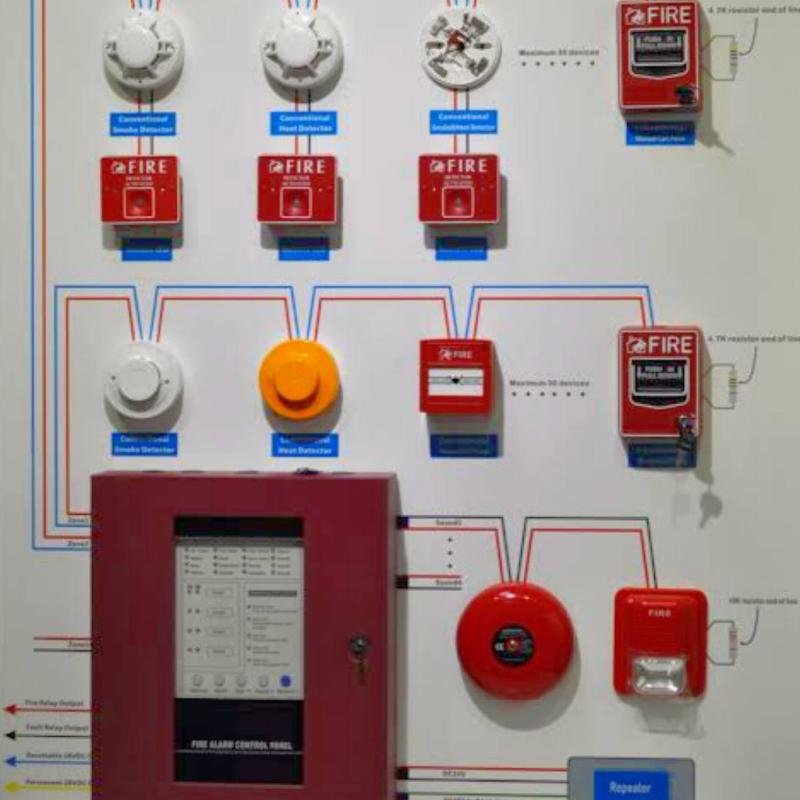
Cross-Zoning Alarm Verification: Program intelligent fire panels to implement verification delays. The panel will only sound a general evacuation alarm if two adjacent detectors confirm the hazard, or if an individual sensor signal persists past a defined time window.
HVAC Air Flow Optimization: Reposition smoke detectors to ensure they are situated at least 1.5 meters away from active air supply vents to avoid sensor disruption.
Conclusion:
Ultimately, recurring false fire alarms are not a sign of a faulty system, but rather a call for proper engineering re-evaluation and timely maintenance. By executing an organized inspection routine and aligning detector types with their specific environments, you can eradicate workplace disruptions and guarantee that your system responds perfectly when an actual hazard arises.