





In our modern hyper-connected digital economy, data centers and IT server enclosures serve as the foundational nerve centers of enterprise operations. These highly specialized spaces house millions of dollars in processing hardware and store irreplaceable proprietary operational data. Because data infrastructure environments maintain dense electrical loads and experience intense localized heat from processing racks, they present a unique electrical fire risk that cannot be mitigated using standard building protection methodologies.
The Core Engineering Challenge: Suppression Without Electronic Destruction
The main challenge within an IT infrastructure room is that discharging traditional water sprinklers creates an electronic short-circuit catastrophe equal to the fire event itself, instantly destroying expensive servers. Consequently, specialized server rooms rely on a dual-phase protective strategy: extreme-sensitivity detection paired with clean agent gas suppression.
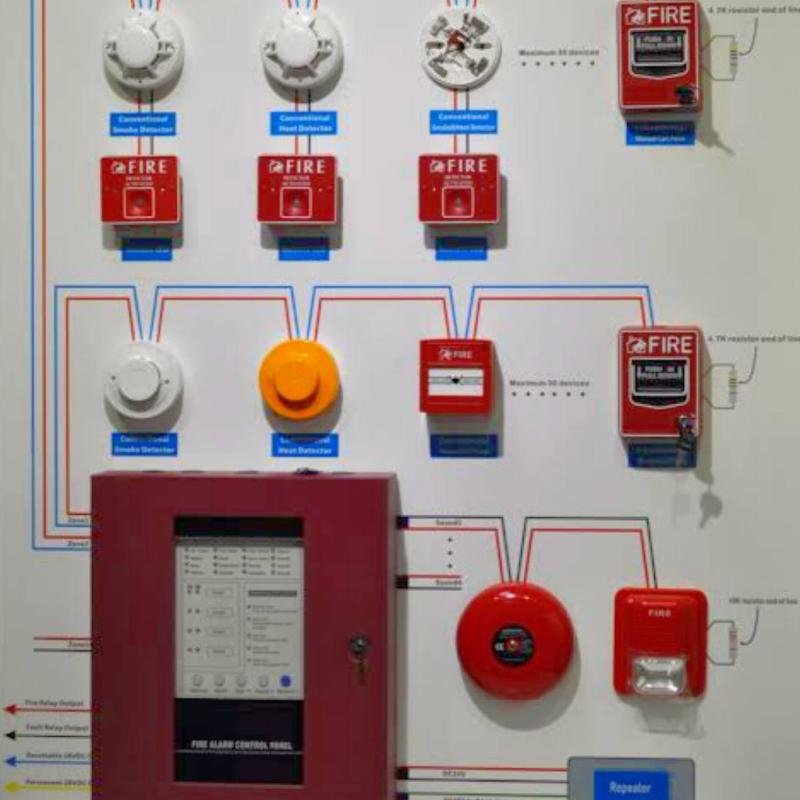
Aspirating Smoke Detection (VESDA): Very Early Smoke Detection Apparatus operates by continually drawing ambient air samples through a network of distribution pipes into a specialized laser analysis chamber. This system identifies sub-microscopic off-gas particulates generated by plastic cable overheating long before an open flame or visible smoke develops.
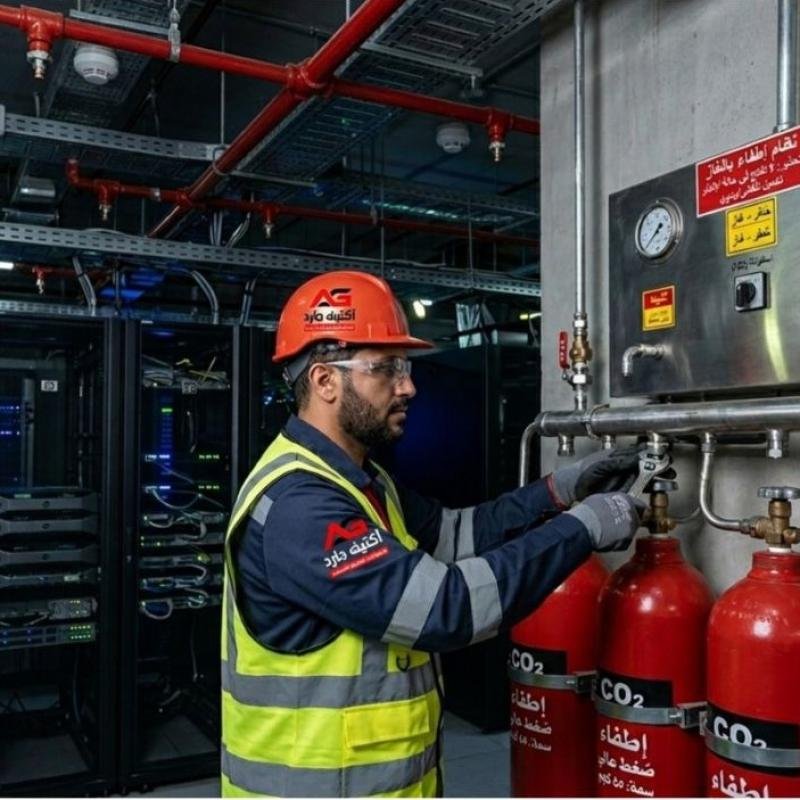
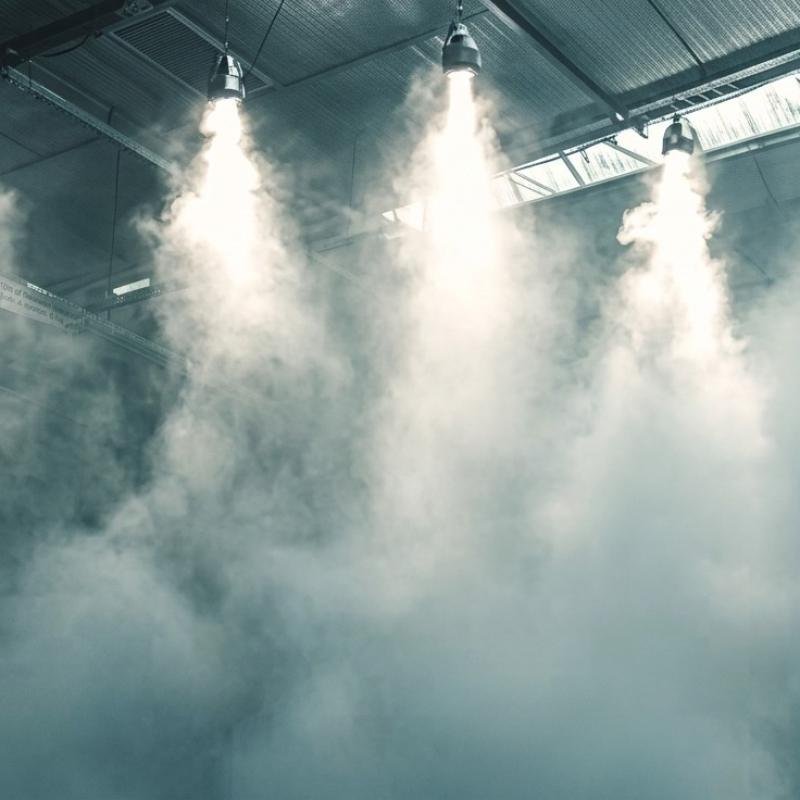
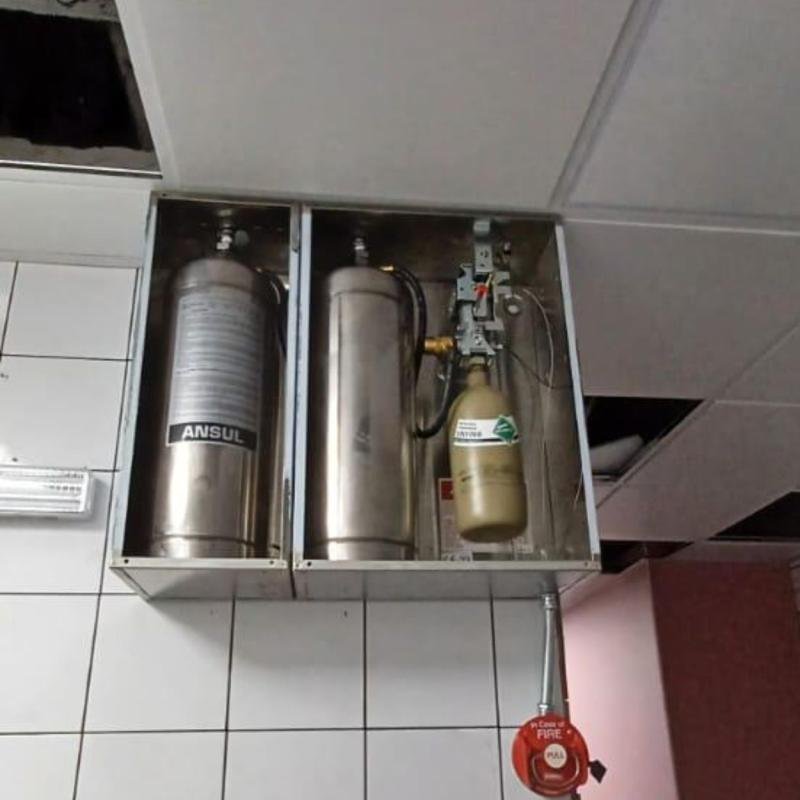
Clean Agent Gas Suppression Systems: Once a fire signature is cross-zoned and confirmed, specialized chemical compounds like FM-200, Novec 1230, or Inert gas mixtures are deployed into the room. These clean agents suppress fires rapidly by removing thermal energy or disrupting the chemical chain reaction of combustion. They leave zero liquid residues or abrasive powder blankets behind, allowing server arrays to continue operating without downtime while remaining non-toxic to personnel.
Table: Comparing Clean Agent Suppression Solutions for Server Enclosures
Suppression Chemistry | Primary Extinguishing Mechanism | Environmental & Equipment Impact | Enclosure Storage Requirements |
|---|---|---|---|
FM-200 (HFC-227ea) | Absorbs heat energy at the molecular level. | Zero residue, non-conductive, safe for occupied spaces. | Moderate (Stored as a liquefied compressed gas). |
Novec 1230 (FK-5-1-12) | Rapid thermal cooling via chemical vaporization. | Environmentally benign, zero ozone depletion, evaporates instantly. | Low space footprint (Highly compact agent storage). |
Inert Gas (Nitrogen/Argon) | Oxygen dilution (Reduces ambient O2 below 15%). | 100% natural gas mix, non-toxic, avoids thermal shock to hot disks. | High space footprint (Requires a larger array of high-pressure cylinders). |
Vital Architectural Containment Metrics:
Enclosure Room Integrity: Server spaces must undergo specialized door-fan pressure testing to ensure the room architecture is properly sealed. This prevents clean agent gas from leaking out prematurely, maintaining the required code-mandated holding concentration to extinguish fires completely.
Emergency Power Off (EPO) Integration: Integrating the fire panel to automatically trip specialized electrical circuit breakers, cutting incoming power to shorted equipment racks to eliminate structural re-ignition.