





Innovation and AI Revolution in Firefighting Engineering
Integrating AI into Fire Prediction
The world is shifting toward a new generation of safety engineering powered entirely by smart technology and artificial intelligence. AI does not just wait for flames to burst before sounding the alarm; it actively analyzes real-time data from surrounding sensors—such as humidity levels, abnormal temperature spikes, and airflow patterns—to predict the probability of a fire outbreak before it happens, giving facilities precious time to avert disaster.
Thermal Detectors and Smart Cameras
Fire detection has undergone a technological revolution with the integration of smart thermal imaging cameras into surveillance frameworks. These cameras can read the thermal emissions of objects with extreme precision, spotting "hot spots" behind walls or inside enclosed electrical panels that are invisible to the human eye or standard smoke detectors, allowing technicians to fix faults before smoke ever forms.
Eco-Friendly Autonomous Suppression Systems
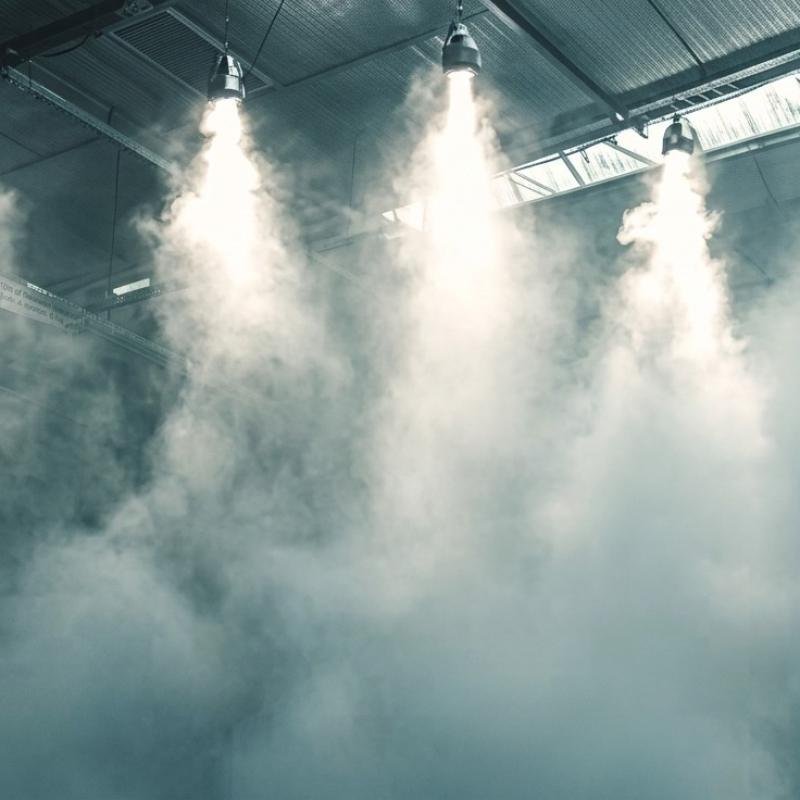
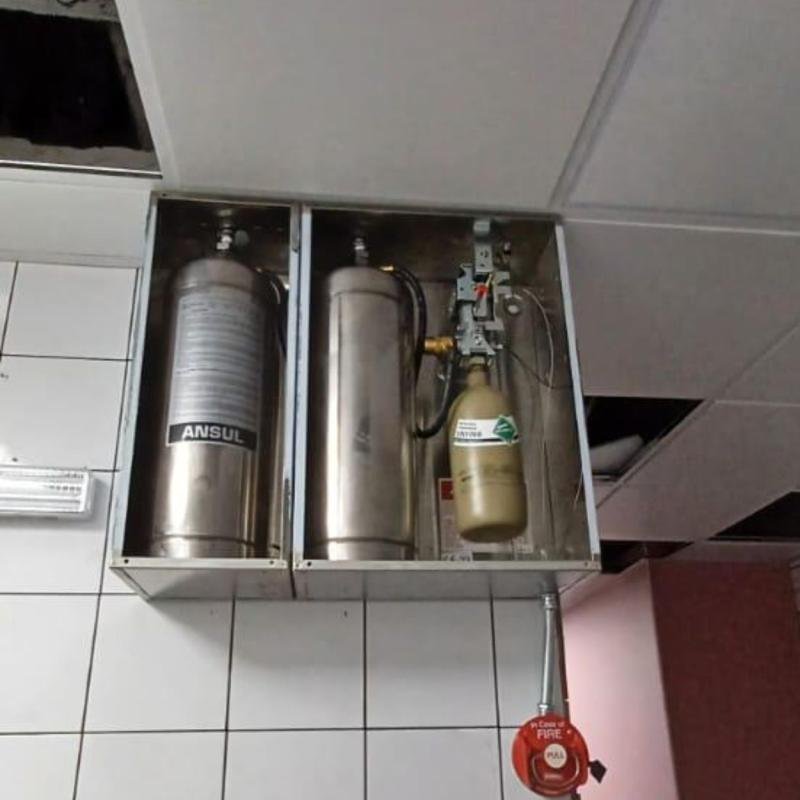
Modern research in fire engineering focuses heavily on developing eco-friendly autonomous suppression systems. Older installations relied on gases that could deplete the ozone layer or leave toxic chemical signatures. Today's innovative setups deploy advanced "water mist" technology or natural inert gases, which put out fires more effectively using minimal resources and without causing environmental harm.
Digital Integration with Emergency Control Rooms
Smart safety frameworks are now connected via the Internet of Things (IoT) directly to centralized facility control rooms and government civil defense networks. If any hazard is detected, the system broadcasts an instant digital brief mapping the exact fire coordinates inside the building via interactive Building Information Modeling (BIM) software, enabling responding fire crews to coordinate efforts immediately.
Global and Local Fire Code Standards
This digital revolution pairs with updating international and local structural safety and fire prevention regulations (such as NFPA standards). Modern codes mandate that new projects integrate technology directly into building infrastructure. They also require automated self-testing protocols for safety systems that generate periodic health logs without human input, ensuring absolute reliability.
Pillars of Smart Firefighting Technology and Their Future
Smart Technology | Mechanism & Digital Link | Environmental & Operational Impact |
|---|---|---|
Thermal Imaging Cameras | Analyzing heat emissions and visual telemetry | Spotting hot spots and electrical faults prior to ignition |
Water Mist Systems | Atomizing water into nano-mist to absorb heat | Highly efficient suppression with minimal water and zero damage |
IoT Digital Integration | Broadcasting live metrics to emergency hubs | Slashing response times and pinpointing hazards on digital maps |