






Zakat Registration Certificate: The Complete Guide to Importance, Conditions, and Extraction Steps
The Zakat Registration Certificate (شهادة تسجيل الزكاة) is an official document issued by the Zakat, Tax and Customs Authority (ZATCA) confirming that an establishment has fulfilled its Zakat obligations, in terms of submitting returns and paying due amounts. This certificate serves as a "tax certificate" for establishments subject to the Zakat system in the Kingdom of Saudi Arabia. It is not merely a regulatory document, but a fundamental condition for legally practicing commercial activity.
First: What is a Zakat Registration Certificate?
A Zakat Registration Certificate is an official document issued by the Zakat, Tax and Customs Authority (ZATCA) confirming the establishment's commitment to submitting its Zakat returns and paying all due amounts in full. This certificate is considered the "passport" for companies to deal with government and private entities. It is typically issued for one fiscal year and requires annual renewal.
The Difference Between Zakat and Tax:
Zakat in the Kingdom is a religious obligation applied to establishments owned by Saudi or GCC citizens, calculated at a rate of 2.5% of the Zakat base (Zakatable assets minus liabilities). Companies wholly owned by non-Saudis are subject to Income Tax, not Zakat.
Second: Importance of the Zakat Registration Certificate for Establishments
The importance of the Zakat certificate is not limited to being a regulatory requirement but extends to vital aspects of an establishment's operations. Here are the most prominent reasons for its importance:
1. Participation in Government Tenders
The certificate is a fundamental condition for participating in any government tender or obtaining contracts with the public sector. No contractor or supplier can submit a bid without attaching a valid Zakat certificate.
2. Renewal of Commercial Register and Licenses
Government entities (such as the Ministry of Commerce and Municipalities) require a valid Zakat certificate when renewing the commercial register or any municipal license. Without it, you will not be able to renew your activity license.
3. Banking Transactions and Financing
Banks and financial institutions require the Zakat certificate when opening corporate accounts, obtaining financing, or opening letters of credit. It is evidence of the establishment's financial commitment.
4. Employment and Labor Services (Qiwa Platform)
The validity of establishment files on the Qiwa platform has been linked to the existence of a valid Zakat certificate. This means that failure to renew the certificate may lead to the suspension of employment services and visa issuance.
5. Business Liquidation or Sale of Establishment
When liquidating a company or transferring its ownership, ZATCA requires a clearance certificate (liquidation certificate) confirming that there are no outstanding Zakat obligations before approving the termination.
Third: Conditions and Requirements Needed to Obtain the Certificate
To be eligible and obtain a Zakat Registration Certificate, several conditions must be met. Most errors and obstacles occur due to not fulfilling these requirements in advance.
Eligibility Conditions (Who Needs the Certificate):
The establishment must be registered with the Ministry of Commerce (has a commercial register).
The owners must be Saudi or GCC nationals (or a mix with foreigners with the participation percentage calculated).
The establishment must be registered with ZATCA and have a Tax Identification Number (TIN).
Requirements to be Prepared Before Submission:
| Requirement | Description |
|---|---|
| Commercial Register | Valid and matching the tax data. |
| Audited Financial Statements | Approved by a licensed certified public accounting firm. |
| Articles of Association | Showing the ownership structure and partner shares. |
| National Address | Registered and updated with SPL. |
| Submission of Return | The Zakat return must be submitted first before requesting the certificate. |
| Payment of Amounts | All due Zakat amounts must have been paid in full. |
Submission Deadlines:
Zakat returns must be submitted within 120 days from the end of the establishment's fiscal year. If the establishment's fiscal year ends in December, the filing deadline is April.
Fourth: Steps to Extract a Zakat Registration Certificate (Electronically)
You can issue the Zakat certificate easily via the ZATCA portal (zatca.gov.sa) without needing to visit the authority's branches. Follow these steps:
Step 1: Access the ZATCA Portal
Visit the official ZATCA website (zatca.gov.sa) and click on "E-Services". Then log in using the Tax Identification Number (TIN) and the establishment's password.
Step 2: Access the Certificate Service
From the main menu, go to the "Zakat" tab > "Certificates and Clearances", then select "Request a Zakat Certificate".
Step 3: Fill Out the Request
A screen will appear containing pre-filled establishment data. Select the fiscal year for which you wish to issue the certificate and the reason for the request (e.g., tender submission, register renewal, or bank). If the system requests supporting documents, upload them in PDF format.
Step 4: Eligibility Verification
The system automatically verifies that there are no late returns or outstanding payments. If an error message appears, this means you have a return not yet submitted or an unpaid invoice, and this must be corrected before proceeding.
Step 5: Issue and Download the Certificate
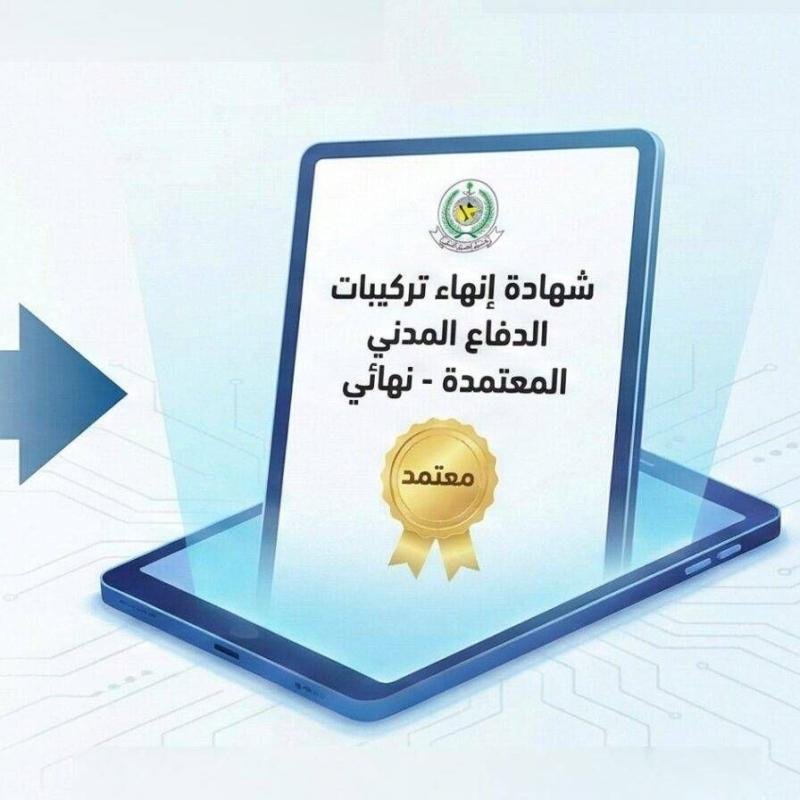
After submitting the request, it will be processed (usually within 1-3 business days). You will receive a notification via email and mobile phone. Return to the portal, go to "My Certificates", and you will find the certificate ready for download in PDF format. The certificate contains a QR code that can be scanned to verify its authenticity.