





Civil Defense Approval, Required Documents, and Evacuation Plan
Active Guard Safety Company welcomes you.
The Safety Plan is the cornerstone of any fire protection system and the primary requirement of the Civil Defense in the Kingdom of Saudi Arabia before commencing any construction or development project. The Safety Plan is a detailed map illustrating the distribution of firefighting equipment, evacuation routes, assembly points, and all necessary safety requirements to protect lives and property. In this comprehensive guide, we learn about the Safety Plan, how to get it approved by Civil Defense, the required documents, and the Evacuation Plan.
What is a Safety Plan?
A Safety Plan is a detailed engineering design prepared according to the Saudi Building Code (SBC) for Fire Protection, illustrating the distribution of all safety and fire protection systems within a building. The Safety Plan resembles architectural building plans but is specialized in safety elements.

Main Components of a Safety Plan:
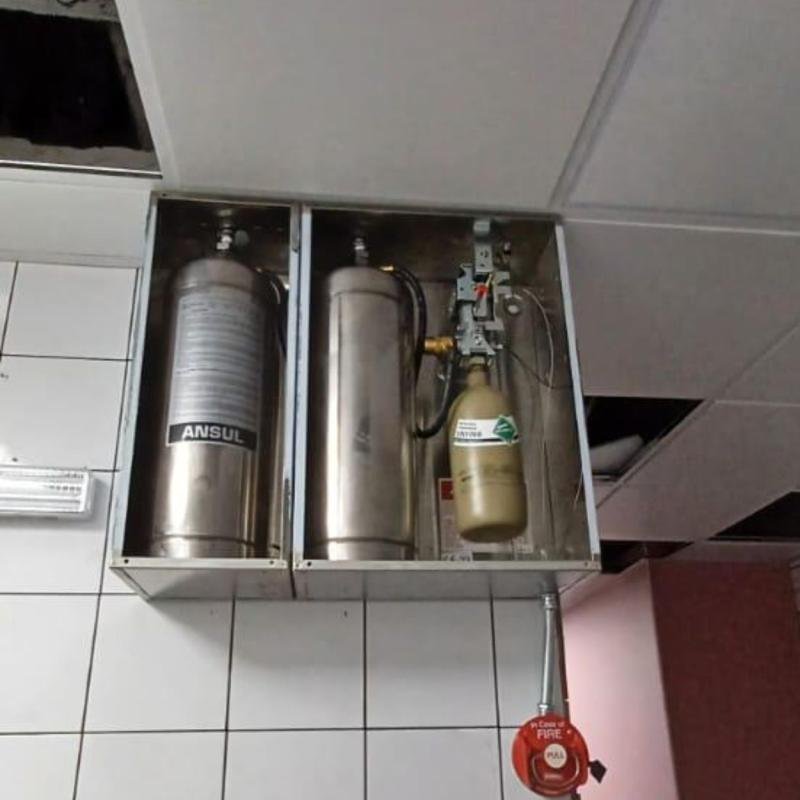
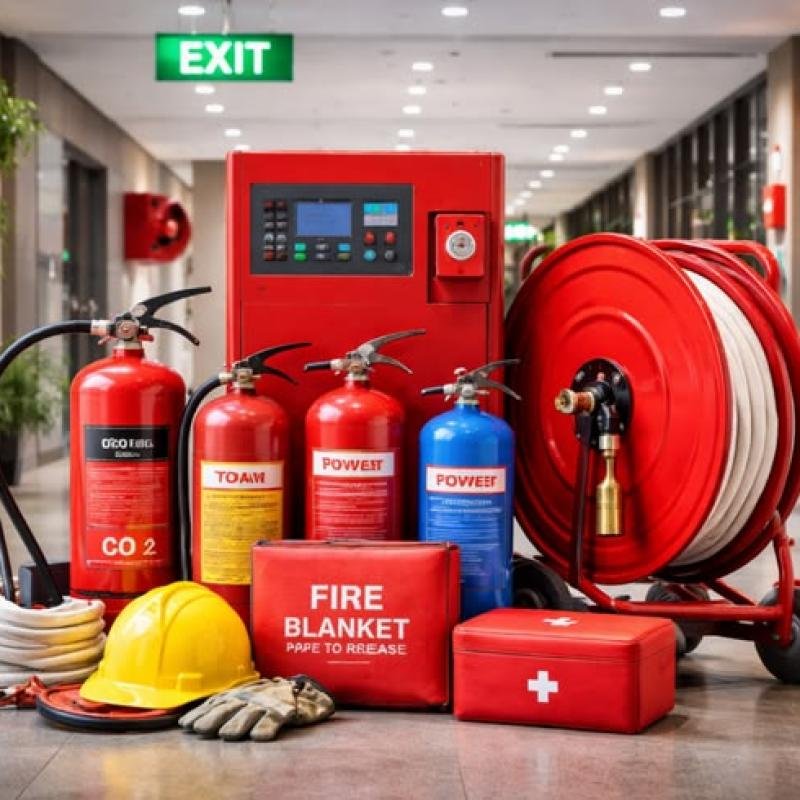
Fire Suppression Safety Plan: Shows the locations, quantities, and specifications of fire sprinklers, water pumps, and fire hose cabinets.
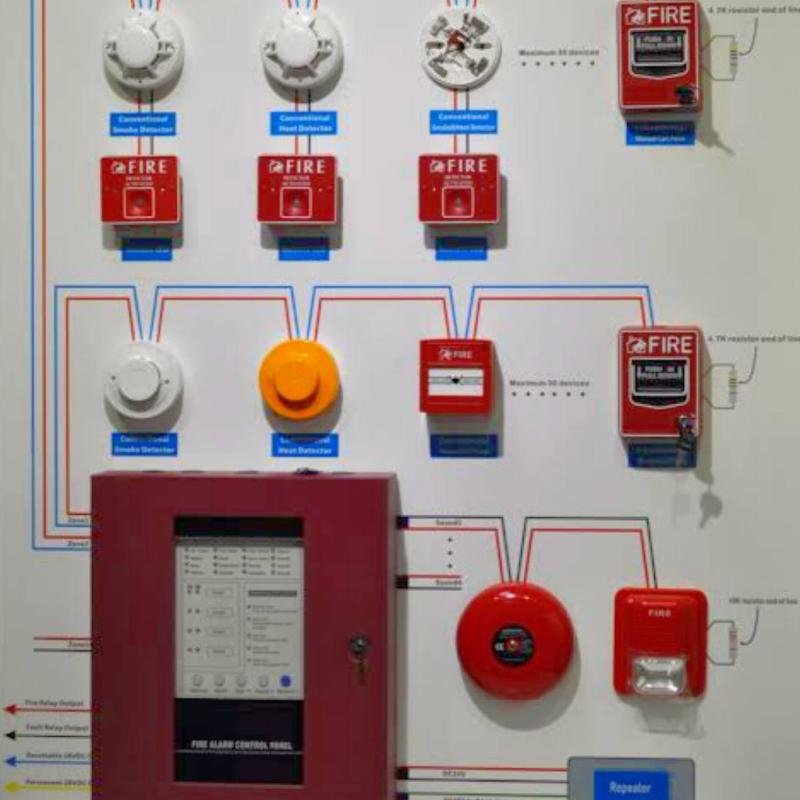
Fire Alarm Safety Plan: Shows the distribution of smoke detectors, heat detectors, alarm bells, and control panels.
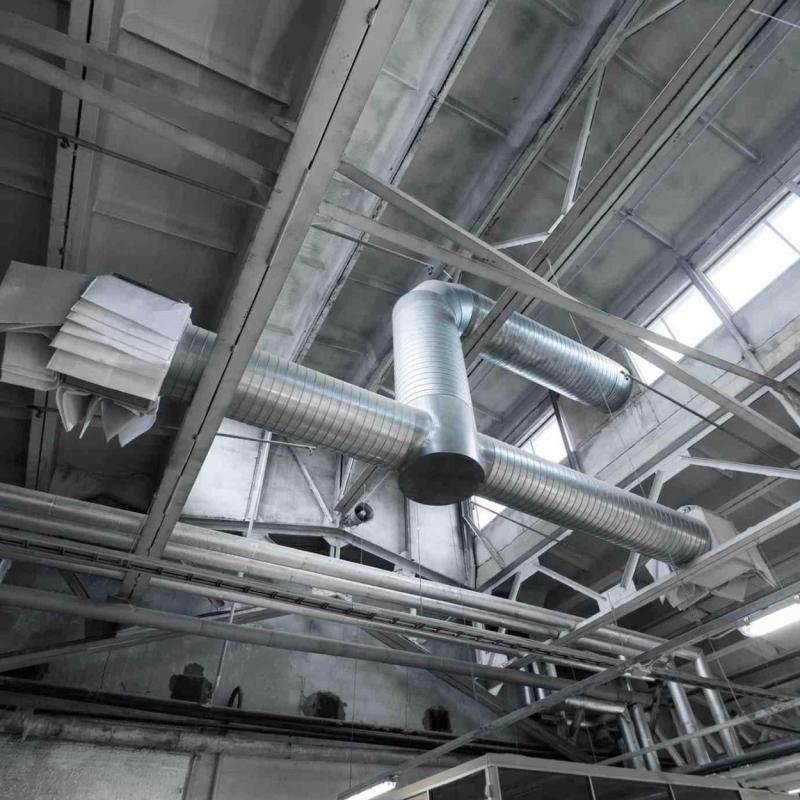
Ventilation and Smoke Management Plan: Ensures smoke extraction during emergencies.
Lightning Protection System Plan.
Carbon Monoxide Detection System Plan.
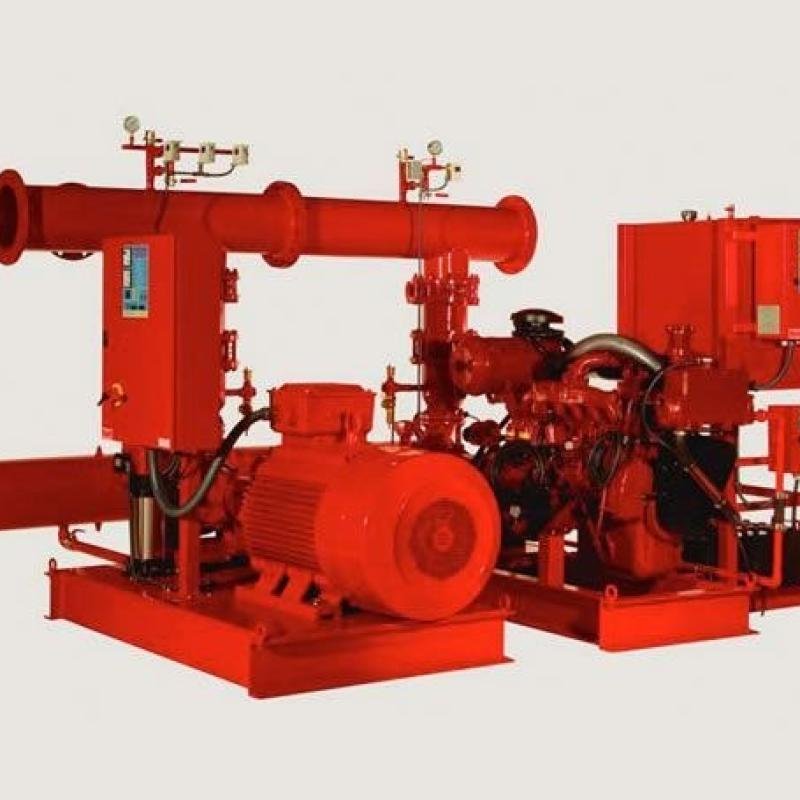
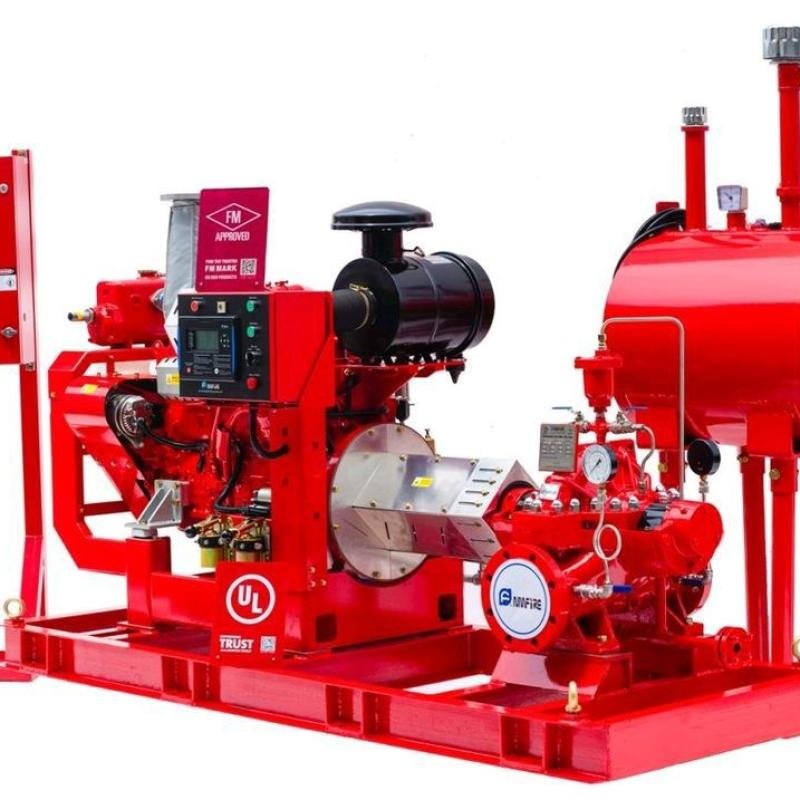
Fire Pump Room and Feed Piping Plan.
Evacuation Plan.
The safety plan for firefighting systems plays a fundamental role in any fire protection system for commercial and residential buildings. The Safety Plan must include a distribution plan for firefighting devices and equipment for any building. The Safety Plan must also be approved by the relevant authorities before implementation.
Second: Method of Getting the Safety Plan Approved by Civil Defense
The process of getting a Safety Plan approved by Civil Defense goes through several sequential stages to ensure the design meets the highest safety standards. Here are the steps in detail:
Stage 1: Initial Design of the Safety Plan
Initially, the Safety Plan is designed to distribute firefighting equipment according to the Saudi Fire Code. Alarm and firefighting devices are distributed across rooms, corridors, and floors, clarifying their locations, quantities, and specifications on the Safety Plan.
Stage 2: Review of the Plan by an Approved Consultant Office
The Safety Plan is submitted for review and approval to a consulting office approved by Civil Defense. The consultant reviews the plan to ensure:
Compliance with the Saudi Fire Code.
Efficient distribution of fire suppression and alarm systems.
Presence of a suitable building evacuation plan.
No conflicts with architectural, electrical, and mechanical plans.
Stage 3: Final Endorsement by Civil Defense
After completing the consulting review stage, the Safety Plan is submitted to Civil Defense for discussion and final endorsement. This is done before commencing implementation, as installation work cannot begin until final approval is obtained.
Third: Required Documents for Safety Plan Approval
The process of designing and approving a Safety Plan for fire suppression and alarm systems requires providing necessary documents to complete the approval process. These documents are always the owner's responsibility. Here is the list of required documents:
| Document | Description |
|---|---|
| Original Architectural Plans | Complete engineering plans of the building (elevations, floor plans, sections). |
| Property Deed | Proves ownership of the land on which the building is constructed. |
| Building Excavation Permit | License issued by the municipality to commence construction work. |
| Owner's National ID Card | National identity of the property owner. |
| Lease Contract or Commercial Register | For commercial or leased buildings. |
| Electrical and Mechanical Plans | For ventilation and electrical systems related to safety. |
Therefore, the process of designing and approving a Safety Plan requires providing these documents before starting the process. We recommend contacting a specialized company like Active Guard to compile and review these documents before submission.
Fourth: Emergency Evacuation Plan
The Evacuation Plan is a fundamental safety element in a building and is designed within the Safety Plan. It is a key requirement of Civil Defense in the Kingdom of Saudi Arabia. Evacuation plans are a joint effort of owners and management and are designed by a safety engineer with experience and knowledge of safety systems, Civil Defense requirements, and the Saudi Fire Code.
Basic Elements of an Evacuation Plan:
| Element | Explanation |
|---|---|
| Primary Exit Points | Main exits used by building occupants to exit under normal and emergency conditions. |
| Evacuation Areas (Assembly Points) | Safe places where building occupants must gather after evacuation. |
| Fully Protected Areas | Fire-resistant rooms or spaces that can be used as a temporary safe haven. |
| Buffer and Fire-Resistant Emergency Exits | Exits designated for use only during emergencies, characterized by high fire resistance and smoke leakage prevention. |
| Directional Signs and Exit Signs | Illuminated or reflective signs directing building occupants to the nearest safe exit. |
Importance of Evacuation Plan Training:
It is important to understand that employees or building occupants must practice the building's evacuation plan several times a year (preferably every 6 months) so that everyone is ready to act quickly during emergencies. Building occupants must be trained on the directional signs shown on the evacuation plan and the exit signs that guide them to safety.

Fifth: Cost of Designing and Approving a Safety Plan
The cost of designing and approving a Safety Plan is relatively high because it is a very important stage for any project and requires effort and expertise. The design stage requires experience and a balancing act between the requirements of Civil Defense and the Saudi Code on one hand, and the cost of subsequently implementing safety works during the project execution stage on the other.
Why is the cost relatively high?
Multiple Systems: The Safety Plan must consist of several systems simultaneously (suppression, alarm, ventilation, lightning, carbon monoxide, pump room, escape plan, etc.).
Difficulty and Complexity: The design stage is demanding and complex, requiring significant experience.
Multiple Approval Stages: Requires review by a safety consultant, then review by Civil Defense for discussion before obtaining final approval.
Important Advice: If the Safety Plan design process is not carried out by an engineer with sufficient experience combining design and implementation, the cost will be very high during the project implementation phase (due to modifications and errors). Therefore, using a specialized company like Active Guard from the beginning saves time and money.
Sixth: Active Guard Company – The Best Company for Designing and Approving Safety Plans in Riyadh
Active Guard Company is one of the leading companies in the field of designing and approving Safety Plans in Riyadh. We offer you:
Professional design of all types of Safety Plans (suppression, alarm, ventilation, lightning protection, evacuation plan).
Consulting engineers approved by Civil Defense.
Complete plan review to ensure compliance with the Saudi Code.
Follow-up on approval from consulting offices and Civil Defense until final approval is obtained.
Balanced solutions between safety requirements and implementation costs.
Contact Active Guard Company today for a free consultation and a comprehensive Safety Plan design for your facility, ensuring you receive swift Civil Defense approval and effective implementation.