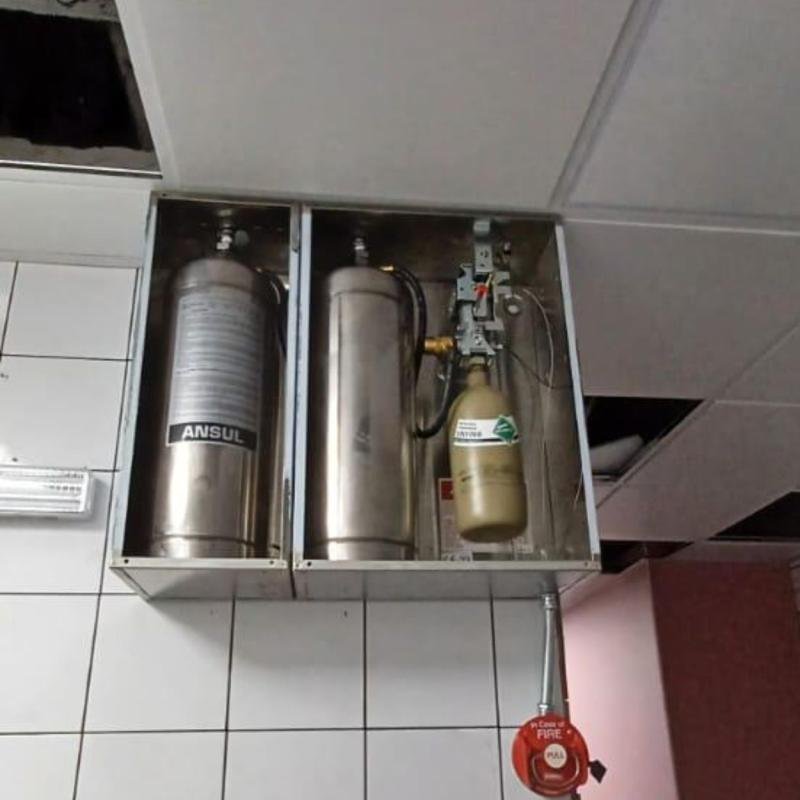






Safety and fire systems
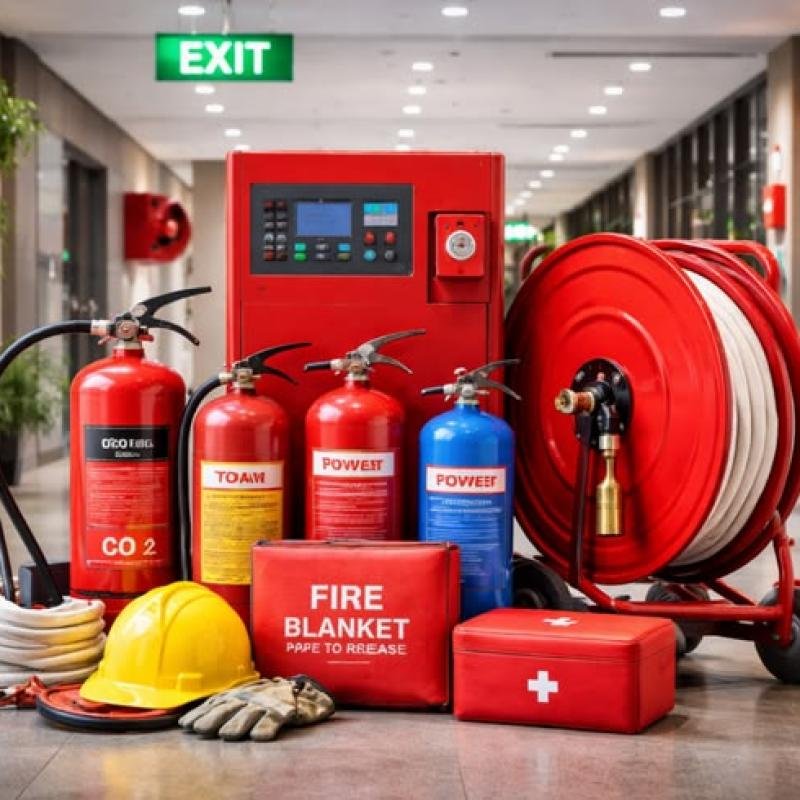
Fire and life safety systems constitute the foundational benchmark upon which modern architectural design and structural engineering are built. Whether managing high-rise residential towers, expansive retail shopping malls, or complex industrial complexes, implementing a robust safety infrastructure is no longer a checklist item for passing regulatory civil defense inspections. Instead, it represents a crucial asset management strategy that defends property investments, minimizes operational business interruption, and, above all else, preserves human lives during a structural emergency. Modern systems integrate complex building sub-networks to achieve complete protection.
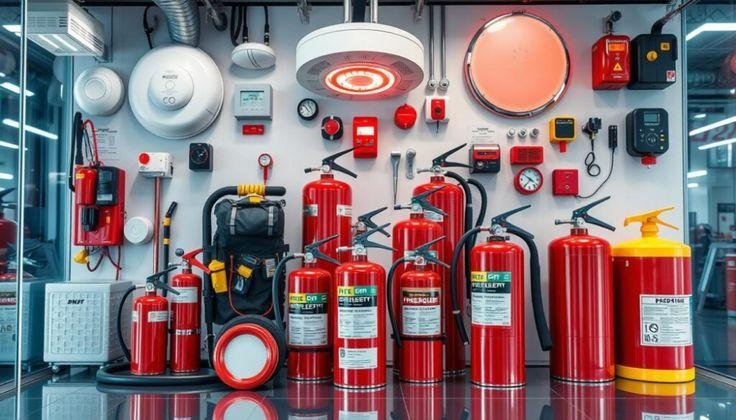
Active vs. Passive Frameworks: The Dual Approach to Safety
An effective life safety architecture relies on the seamless execution of two primary engineering philosophies:
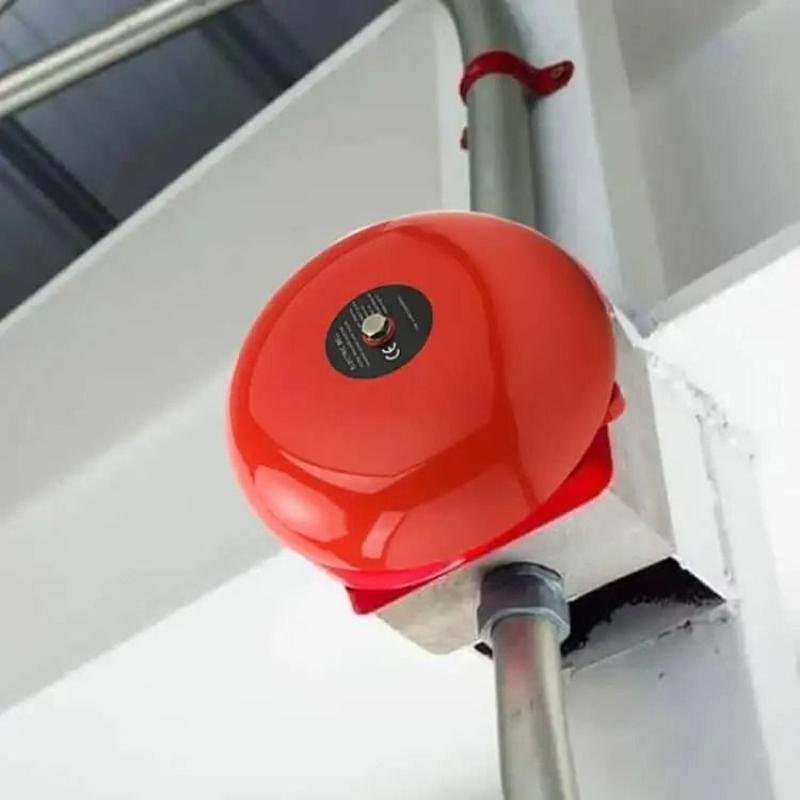
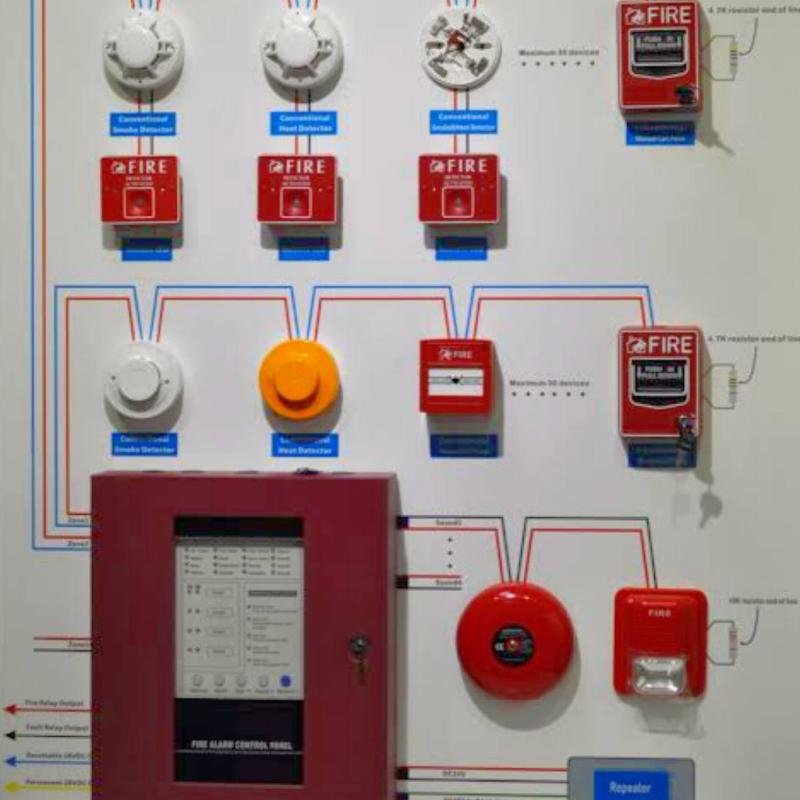
Active Fire Protection (AFP): Systems that require a mechanical, chemical, or electrical action to recognize, contain, or extinguish a fire event. Examples include aspirating smoke detectors, master alarm control units, automatic water sprinklers, and specialized clean agent gas networks.
Passive Fire Protection (PFP): Structural components built directly into the fabric of the building designed to resist fire spread and localize thermal threats. Examples include fire-rated walls, certified assembly fire doors, and intumescent compartment sealants.
Table: Core Integrated Elements of Building Fire and Life Safety Infrastructure
| System Category | Primary Equipment Components | Specialized Engineering Purpose | Emergency Operational Protocol |
|---|---|---|---|
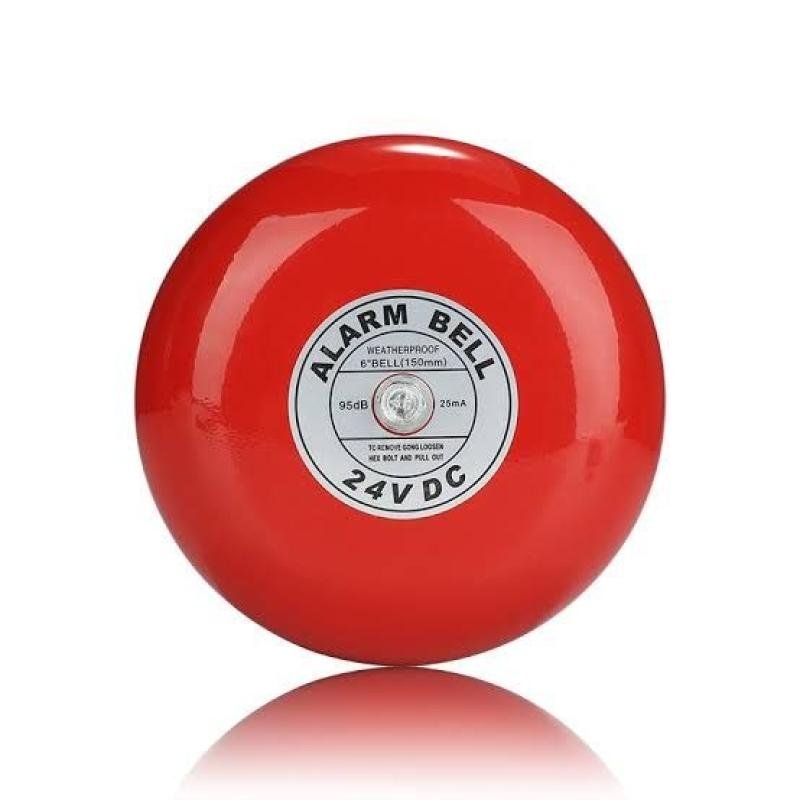
| Detection & Notification | Smoke/heat sensors, pull stations, master control panels. | Provides early warning metrics of a developing fire hazard. | Transmits signals to the master logic panel, triggering strobes and audible sirens. |
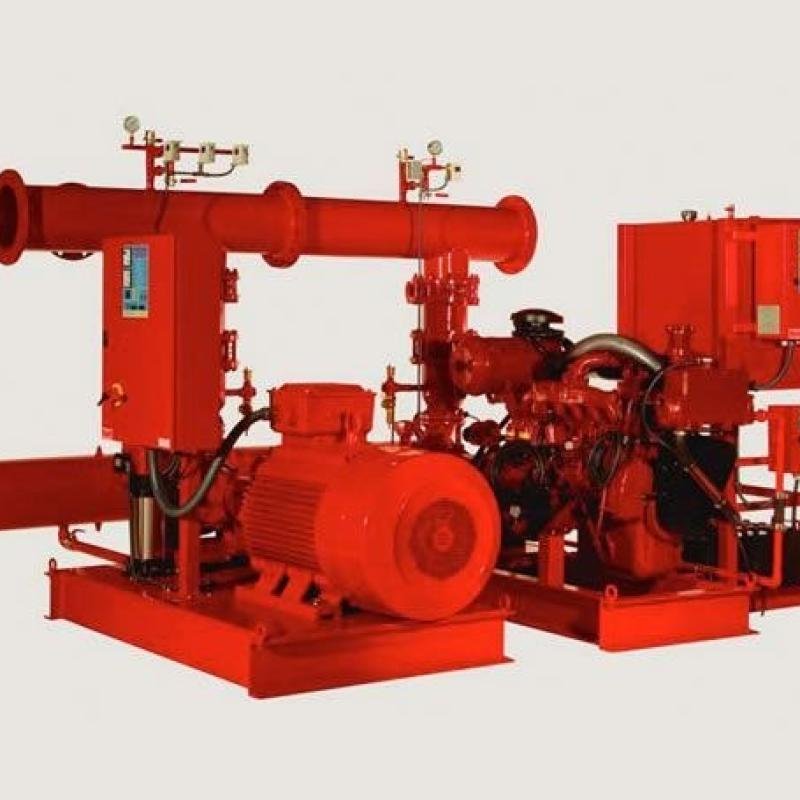
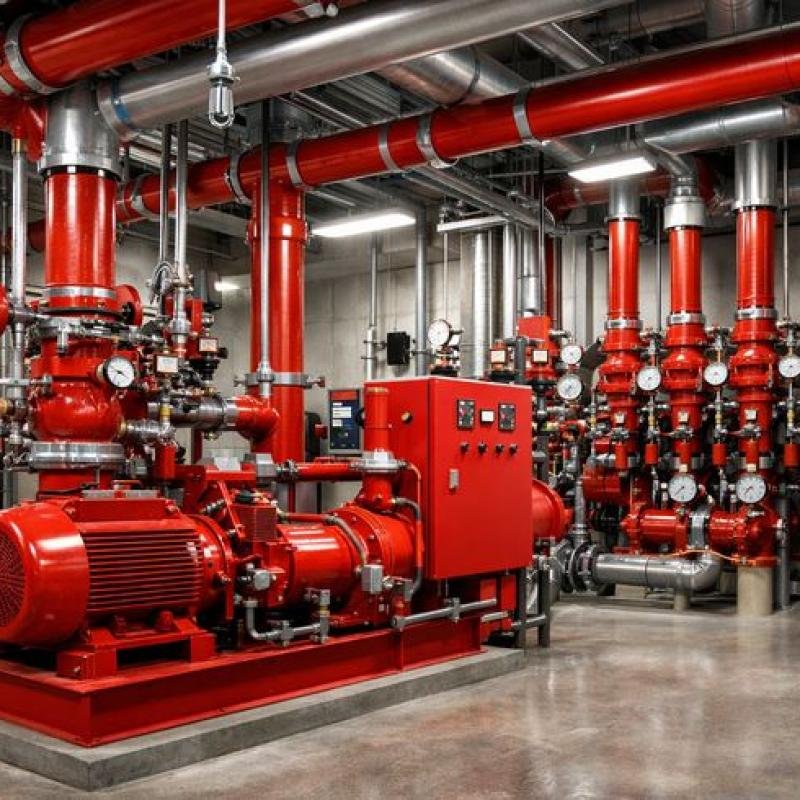
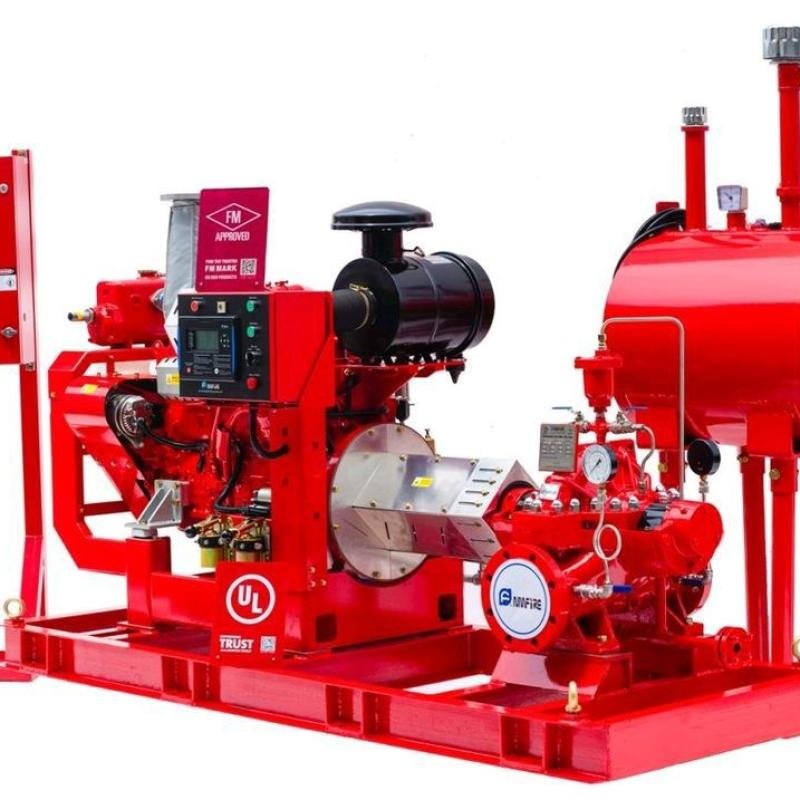
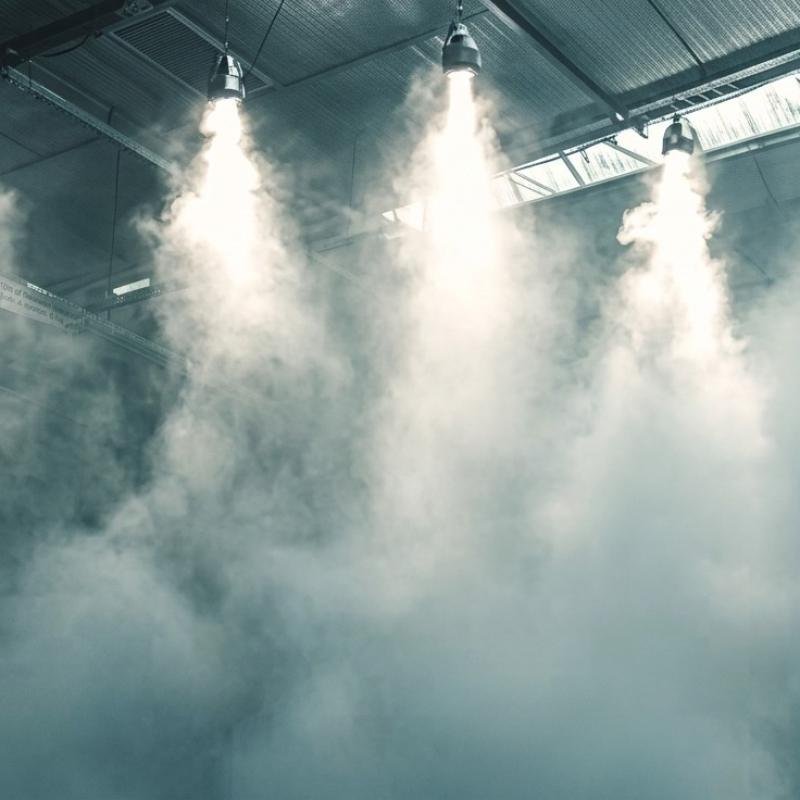
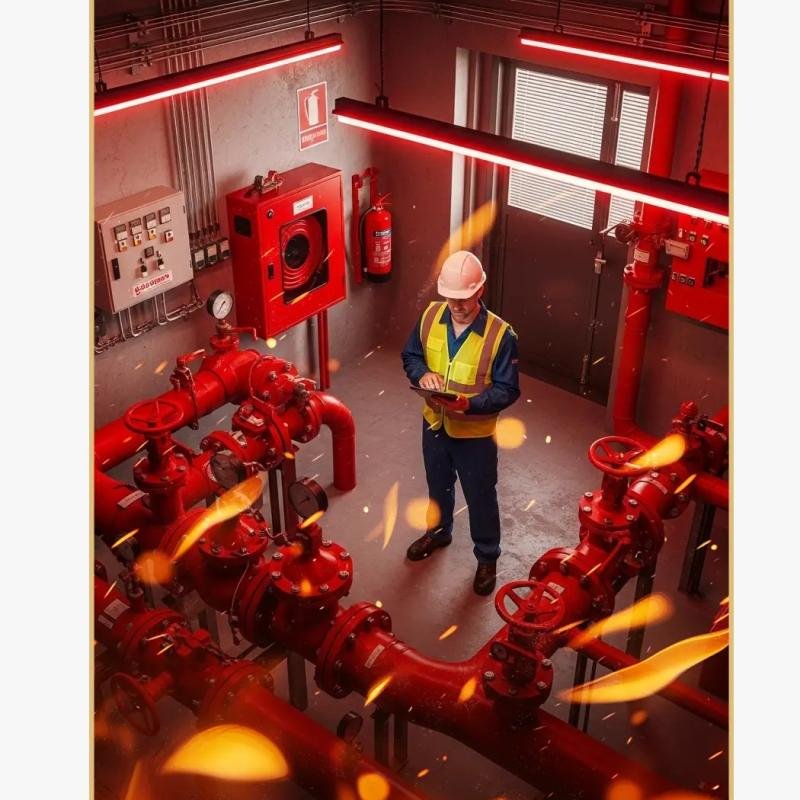
| Water Suppression | Automatic sprinkler arrays, commercial fire pump houses. | Mitigates structural fire growth via physical water delivery. | Heat-sensitive glass bulbs shatter under thermal stress, launching immediate water spray. |
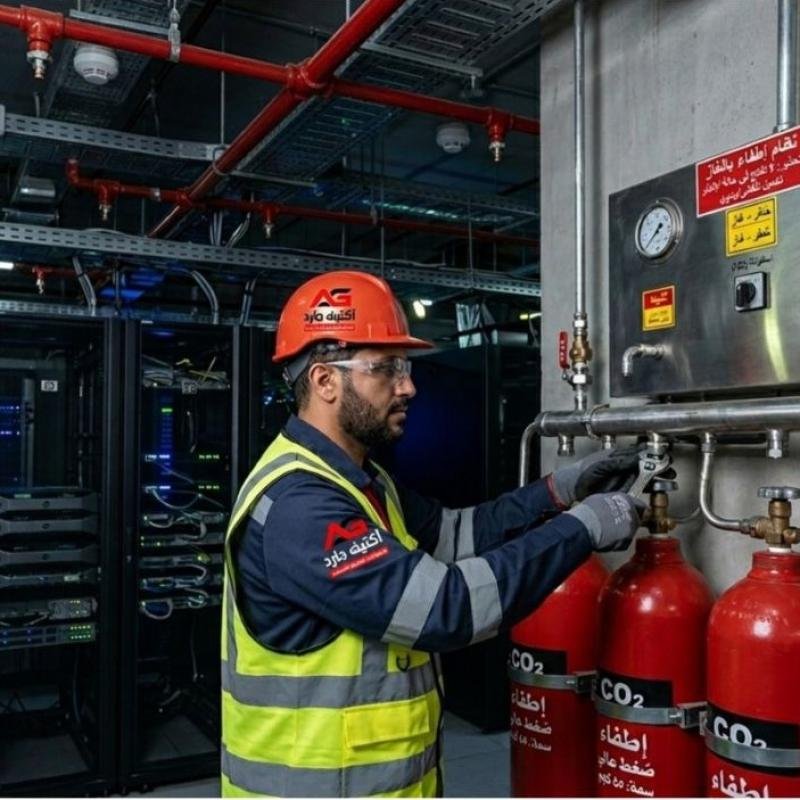
| Specialized Suppression | Clean agents (FM-200, Novec 1230), gas cylinder banks. | Neutralizes electrical and high-value threats without water usage. | Deploys chemical or inert gases into server spaces to break the chemical chain reaction. |
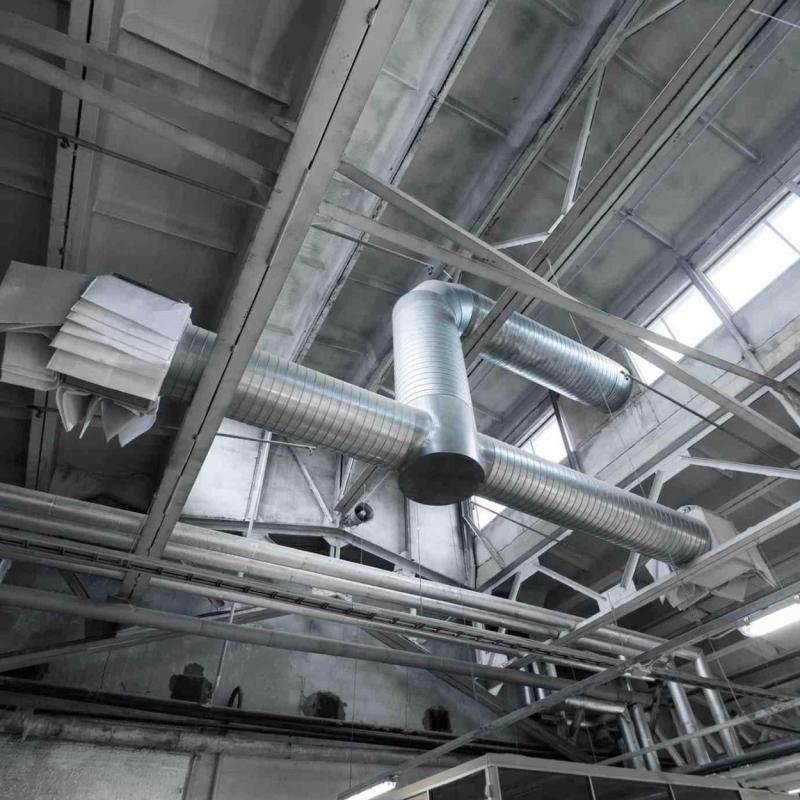
| Smoke Management | Mechanical extraction fans, pressurized stairwell louvers. | Vents toxic atmospheric gases to preserve clear escape vision. | Activates high-velocity exhaust fans to clear smoke columns from exit paths. |
| Egress & Evacuation | Exit pathways, backup lighting, automated panic doors. | Facilitates rapid, non-obstructed occupant egress to safety. | Energizes battery-backed directional signage, guiding occupants to public muster yards. |
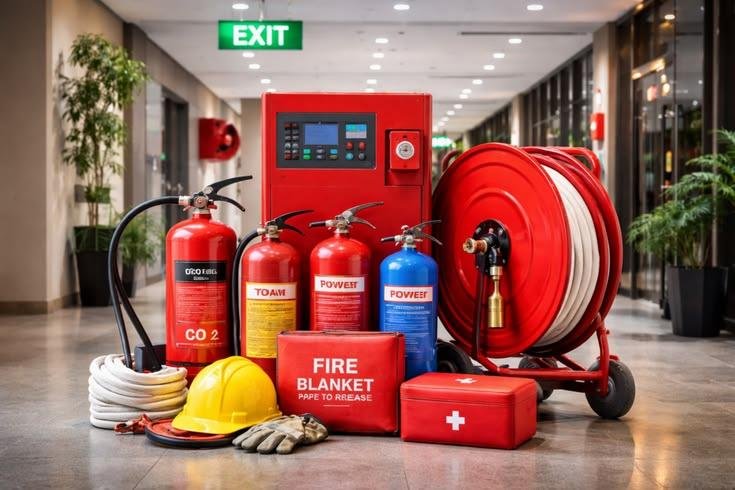
The Power of Systems Integration
In modern building designs, fire safety assets do not operate as isolated hardware items. Instead, they are completely integrated via intelligent Building Management Systems (BMS) to execute automated emergency response scenarios (Fire Matrix Matrix):
Upon confirmed detector activation, the system automatically releases access-control magnetic door locks to prevent occupants from getting trapped behind secure corridors.
All elevators are recalled immediately to the primary egress floor, opening their doors and rendering them unavailable for transit to prevent shaft entrapment.
Central HVAC ventilation dampers close instantly to prevent toxic smoke from circulating between office floors, while dedicated smoke extraction fans engage.
Conclusion:
In conclusion, deploying "Fire and Life Safety Systems" is far more than a simple equipment procurement process; it is the implementation of a unified engineering framework that demands specialized planning, code compliance (such as NFPA standards), and periodic maintenance testing. Prioritizing a modern, integrated life safety architecture is the definitive strategy to defend your corporate personnel, secure structural property values, and preserve the continuity of your business future.
🏢 Seeking a certified engineering partner to design, supply, and commission complete fire and life safety networks for your asset portfolio? Our expert design team engineers robust, fully code-compliant systems tailored to your project metrics. Contact our engineering office today for a technical consultation!