





🎨 Interior Decoration and Finishing in Saudi Arabia: A Comprehensive Guide to Compliance, Specifications, and Best Practices
Introduction: Between Aesthetics and Compliance – Why is the Finishing Stage the Soul of the Building?
The decoration and finishing stage represents the moment a building transforms from a bare concrete structure into a vibrant space that reflects the personality of its occupants and meets their functional needs. Amidst the massive urban expansion in the Kingdom of Saudi Arabia and Vision 2030, which places quality of life and the urban landscape at the forefront of priorities, interior finishes and decoration have become critical elements no less important than the safety of the structural frame itself.
In this comprehensive guide, we detail everything related to decoration and finishing in Saudi Arabia, starting from the types of materials and finishes, through regulatory frameworks and supervisory authorities, and ending with best practices to ensure quality and full compliance with systems and regulations.
Section One: What Are Decoration and Finishing? – Definition and Importance
Interior finishes are materials used to cover and protect structural elements inside a building, such as walls, floors, and ceilings, to create the final appearance. They include wall and ceiling finishing, interior floor finishing, decoration and trim materials, insulation works, and acoustic ceiling systems.
Purposes of Finishing:
| Purpose | Description |
|---|---|
| 🎨 Aesthetic | Creates the final visual appearance of the space |
| 🔊 Acoustic Insulation | Reduces noise transmission |
| 💧 Moisture Resistance | Protects against humidity and water damage |
| 🧹 Cleanliness & Easy Maintenance | Provides surfaces that are easy to clean |
| 😌 Comfort | Affects the overall atmosphere and comfort within the space |
Interior decoration focuses more on ornamenting the space and coordinating furniture, colors, and accessories after finishing is complete. It includes choosing appropriate colors and materials, arranging furniture and accessories, selecting curtains, artwork, and collectibles, and adding details that reflect personal taste.
Interior design combines finishes and decoration to create an integrated space in terms of function, beauty, and suitability to users' needs.
Section Two: Types of Finishes and Materials – Comprehensive Guide for Contractors and Engineers
Finishing materials in the Kingdom of Saudi Arabia vary greatly, each with its own technical specifications and specific applications.
1. Paint Finishes (Wall and Ceiling Paints)
Paints are among the most impactful finishing elements on the final appearance of a space. Finishes vary between:
| Finish Type | Characteristics |
|---|---|
| Flat (Matte) | Non-reflective, hides imperfections |
| Eggshell | Soft sheen, durable |
| Satin | Smooth finish, washable |
| Semi-Gloss | Reflective, highly durable |
| High-Gloss | Very reflective, dramatic look |
✅ All paints must conform to SASO standards.
Relevant Regulations:
| Regulation | Description |
|---|---|
| Technical Regulation for Paints (Dyes) and Varnishes | Specifies quality, labeling, and environmental requirements, including content of hazardous materials and volatile organic compounds (VOCs) |
| Safety Conditions for Paint and Coating Workshops and Shops | Regulates storage and handling of paints and hazardous chemicals to prevent fires and ensure public safety |
2. Floor Finishes
| Type | Characteristics | Best For |
|---|---|---|
| Marble & Granite | Natural, luxurious, durable | High-traffic areas, luxury projects |
| Porcelain & Ceramic | Practical, durable, moisture-resistant, scratch-resistant | Kitchens, bathrooms, commercial spaces |
| Wood Flooring (Parquet & Laminate) | Natural or artificial, adds warmth and beauty | Living rooms, bedrooms, hotels |
| Polished Concrete & Cement | Modern, industrial look | Contemporary designs, commercial spaces |
📋 These materials are subject to the Technical Regulation for Building Materials – Part 4 (Bricks, Tiles, Ceramics, Marble, and Stone) , which specifies basic requirements for floor and wall products.
3. Wall Finishes
| Type | Description | Best For |
|---|---|---|
| Gypsum Board (Drywall) | Flexible design, fast installation | Interior walls, suspended ceilings |
| Wall Panels (3D, Wood, PVC) | Adds texture and depth | Accent walls, feature walls |
| Wallpaper | Variety of colors and textures | Residential, hospitality |
4. Ceiling Finishes
| Type | Description | Best For |
|---|---|---|
| Gypsum Ceilings | Most common, versatile | Homes, villas |
| Suspended Metal Ceilings | Durable, accessible | Offices, commercial buildings |
| Wood Ceilings | Warm, luxurious | High-end projects, restaurants |
5. Wood Decorations
| Type | Description | Applications |
|---|---|---|
| Natural Wood (Beech, Oak, Walnut) | Premium, expensive | Luxury furniture, high-end finishes |
| Engineered Wood (MDF, HDF) | Affordable, easy to shape | Modern decoration, cabinets, furniture |
| Wood Alternatives (WPC, HPL) | Moisture-resistant, durable | Wet areas, exterior applications |
6. Additional Decorative Elements
| Element | Function |
|---|---|
| Mirrors | Add sense of spaciousness and light |
| Lighting | Includes recessed (niche), pendant, and wall lighting |
| Curtains & Upholstery | Add comfort and beauty, control light and privacy |
Section Three: Regulatory Framework – Primary References
Decoration and finishing works in the Kingdom of Saudi Arabia are subject to an integrated system of codes, regulations, and specifications aimed at unifying standards and ensuring the highest levels of quality and safety.
First: Saudi Building Code (SBC 201)
The Saudi Building Code (SBC 201) is the primary reference for finishing and decoration works. The code aims to establish minimum requirements and conditions that achieve safety and public health.
Key SBC 201 Requirements for Decoration and Finishing:
| Requirement | Description |
|---|---|
| 🔥 Flame Spread | Materials used as interior finishes and decorations must meet flame spread and smoke development requirements. Decorations must not be easily ignitable |
| 🏥 Safety & Public Health | Ensures safety and public health requirements are considered in all construction phases – design, execution, operation, and maintenance |
Second: SASO Standards and SABER System
The Saudi Standards, Metrology and Quality Organization (SASO) mandates standard specifications for all building and decoration products used in the Saudi market.
| Regulation | Coverage |
|---|---|
| Technical Regulation for Building Materials – Part 2 (Insulation Materials & Cladding Materials) | Covers cladding and insulation materials used in interior and exterior finishes |
| Technical Regulation for Paints (Dyes) and Varnishes | Quality, labeling, environmental requirements, VOCs |
| Technical Regulation for Doors and Windows | Includes interior finishing requirements from SBC 201 |
🔑 Mandatory: Obtaining Product Conformity Certificate (PCoC) and Shipment Conformity Certificate (SCoC) via SABER system for all imported or locally manufactured building and decoration products.
🔗 Official References:
Saudi Standards, Metrology and Quality Organization (SASO)
SABER Electronic System
Third: Civil Defense Safety Requirements
The General Directorate of Civil Defense pays special attention to safety requirements in interior finishes. According to regulations:
| Requirement | Description |
|---|---|
| 🚫 Restrictions on Combustible Materials | Strict restrictions on using combustible materials in finishes (walls, ceilings, floors, curtains, insulation) to reduce flame spread speed |
| 🔥 Fire Resistance Requirements | Finishing materials must be fire-resistant according to approved standards |
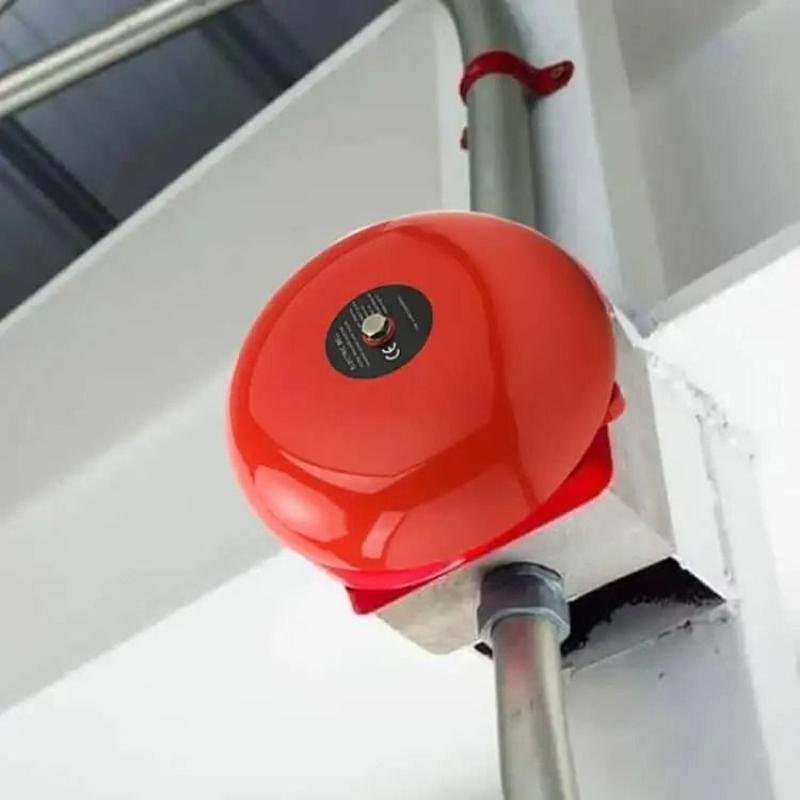
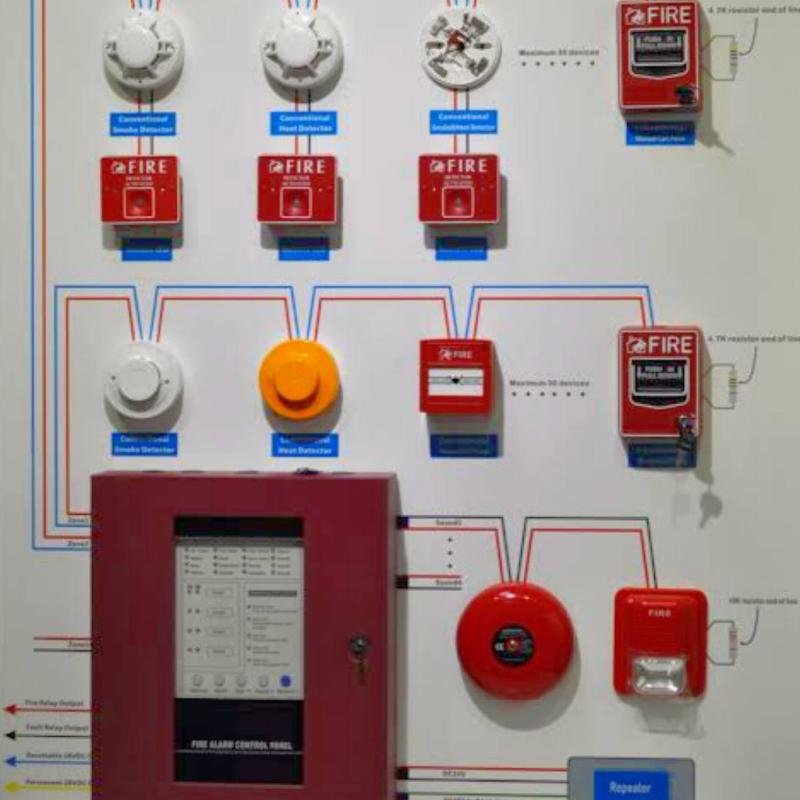
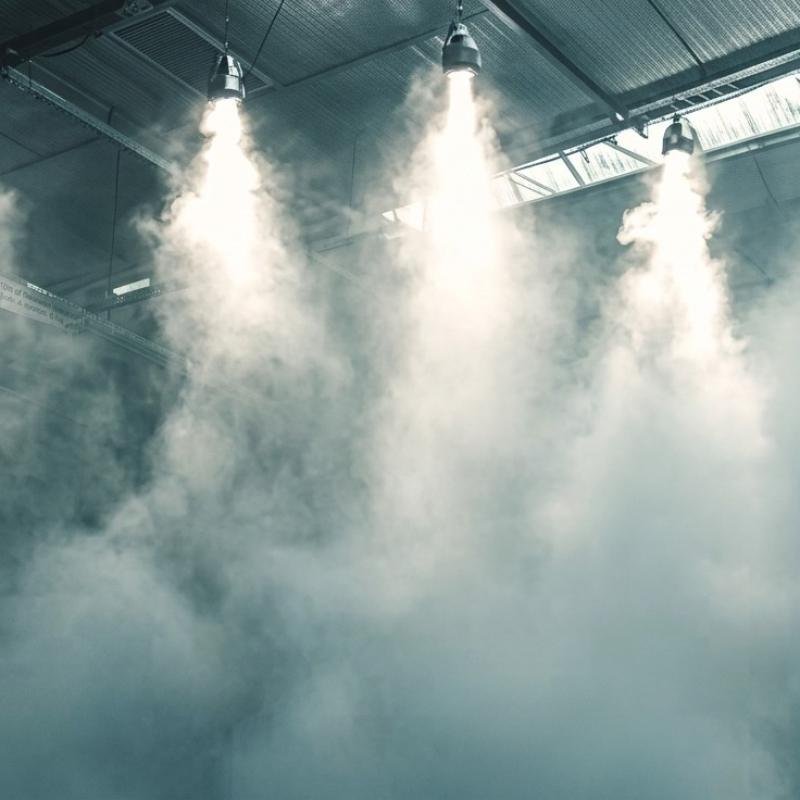
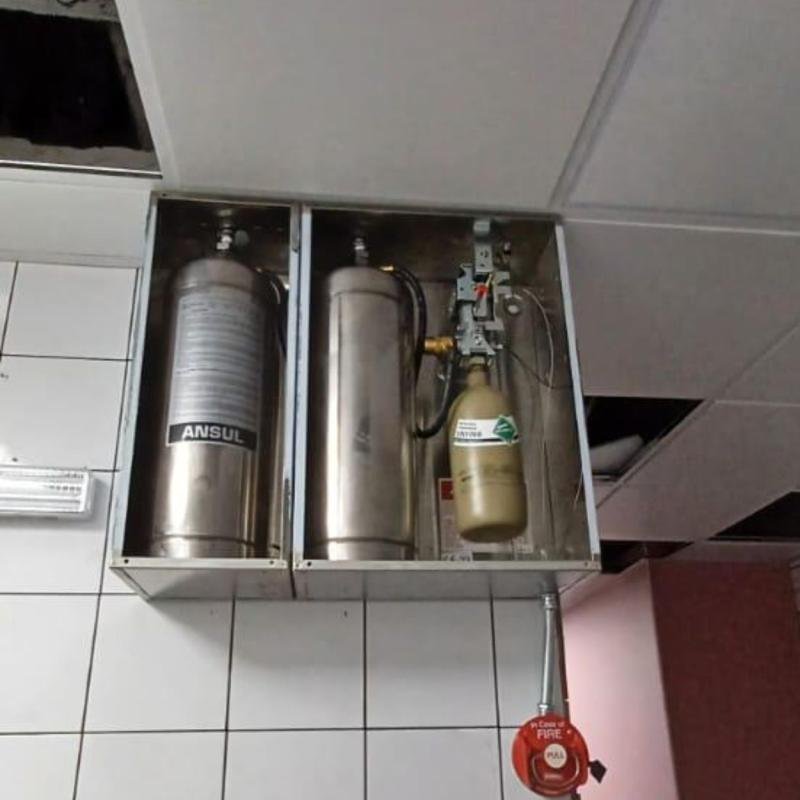
| 🚨 Safety Systems | Safe and illuminated emergency exits, appropriate alarm and suppression systems |
🔗 Official Reference: General Directorate of Civil Defense
Fourth: Saudi Energy Conservation Code (SBC 601)
The Saudi Mechanical Ventilation and Air Conditioning Code (SBC 601) aims to establish minimum energy efficiency requirements for non-residential building design. Interior finishes, especially ceilings and walls, must comply with thermal insulation requirements to improve energy efficiency and reduce electricity consumption.
🔗 Official Reference: Saudi Energy Conservation Code
Section Four: Permitting and Licensing Procedures
To implement decoration and finishing works within a construction or commercial project, the following procedures for obtaining necessary permits must be followed:
First: Project Plan Approval via Balady Platform
The Ministry of Municipal and Rural Affairs and Housing requires submission of detailed architectural and structural plans including specifications of interior and exterior finishing materials. These plans are approved before issuing the building permit.
Plans Must Include:
| Detail | Description |
|---|---|
| Paint types | Specifications for all paint materials |
| Flooring types | Materials and specifications |
| Ceiling types | Materials and installation details |
| Insulation materials | Thermal and acoustic insulation |
| Other finishing elements | Complete material specification list |
🔗 Official Reference: Balady Platform – Issuing Building Permit
Second: Commercial Activity Licensing for Decoration and Finishing Contractors
If the activity involves executing decoration and finishing works, a professional license must be obtained according to the appropriate classification via the Balady platform.
| Requirement | Description |
|---|---|
| 🏢 | Building must be ready for occupancy and structurally complete in terms of interior and exterior finishes |
| 🔥 | May need Civil Defense approval before beginning operational works |
🔗 Official Reference: Balady Platform – Issuing Commercial License
Third: Conformity Certificate via SABER System
Before importing or supplying any finishing or decoration materials to the Saudi market:
| Step | Action |
|---|---|
| 1️⃣ | Register the product in SABER system |
| 2️⃣ | Obtain Product Conformity Certificate (PCoC) from an approved conformity assessment body |
| 3️⃣ | Issue Shipment Conformity Certificate (SCoC) for each imported shipment |
🔗 Official Reference: SABER Electronic System
Section Five: Regulatory Authorities and Approved References
Multiple government entities are responsible for supervising and controlling decoration and finishing works in the Kingdom:
| Authority | Primary Responsibilities |
|---|---|
| Saudi Building Code Center (SBC) | Developing and updating the Saudi Building Code and its technical requirements, including interior finishing and decoration requirements |
| Saudi Standards, Metrology and Quality Organization (SASO) | Issuing standard specifications for decoration and finishing products, supervising SABER system, granting Saudi Quality Mark |
| General Directorate of Civil Defense | Supervising safety and fire prevention requirements, including interior finishing material requirements |
| Ministry of Municipal and Rural Affairs and Housing (MOMRAH) | General supervision of municipal and construction licenses, issuing regulations for construction and finishing works |
| Saudi Council of Engineers (SCE) | Licensing engineering offices and engineers working in finishing design and supervision |
| Balady Platform | Issuing construction licenses, project quality control services, monitoring compliance with requirements |
🔗 Official References:
Saudi Building Code Center
Ministry of Municipal and Rural Affairs and Housing
Saudi Council of Engineers
Balady Platform – Municipal Electronic Services
Section Six: Best Practices for Quality and Compliance
To ensure project success and obtain approved, high-quality decoration and finishing works, the following guidelines are recommended:
| Practice | Description |
|---|---|
| 🏢 Use an Approved Engineering Office | Contract with an SCE-approved engineering office for design and supervision according to latest standards, with full compliance with Saudi Building Code and all approved requirements |
| ✅ Choose Compliant Materials | Ensure all supplied finishing and decoration materials have SASO conformity certificates and quality certification via SABER system. Products must be approved by recognized conformity assessment bodies |
| 🛡️ Comply with Civil Defense Requirements | Ensure materials used in interior finishes comply with safety and fire prevention requirements, especially in commercial projects and high-rise buildings. Decoration materials must not be easily ignitable and must meet flame spread and smoke development requirements |
| 👷 Choose a Certified and Experienced Contractor | Verify contractor's record and past work in decoration and finishing, ensure qualified technical staff and appropriate equipment. Experienced companies can provide a list of previous clients |
| 📐 Prior Engineering Coordination | Coordinate between architect and contractor to select appropriate finishing types for use (residential/commercial) and climatic conditions. Finishes must integrate with mechanical and electrical systems (HVAC, lighting, plumbing) to avoid technical conflicts |
| 📋 Documentation & Final Handover | Obtain comprehensive technical report after completion including conformity certificates for products used, proof of execution compliance with standard specifications, and As-built Drawings |
| 🔧 Periodic Maintenance | Develop periodic maintenance plan to preserve finishing and decoration quality: clean surfaces with appropriate products, address any damage or cracks immediately, repaint surfaces when needed |
Conclusion: Investing in Compliance is Investing in Beauty and Safety
In conclusion, decoration and finishing works in the Kingdom of Saudi Arabia represent an integrated system of codes, regulations, and specifications aimed at achieving the highest levels of quality, safety, and beauty in construction and building projects.
By adhering to the Saudi Building Code (SBC 201) , following Saudi Standards (SASO) , complying with Civil Defense requirements, obtaining conformity certificates via SABER system, and contracting with approved engineering offices and certified contractors, any project can ensure interior finishes and decorations that are durable, beautiful, and compliant with the highest standards.
💡 Investing in high-quality, code-compliant decoration and finishing is not just an investment in the aesthetic appearance of interior spaces – it is an investment in the safety of building occupants, the long-term sustainability and value of the building, and the avoidance of fines and violations.
Start today by assessing your project's needs, contacting the relevant authorities to obtain permits, and relying on certified experts and engineers to ensure your facility's finishes and decorations are safe, beautiful, and compliant with the highest standards.
📊 Summary Table – Quick Reference
| Aspect | Key Point |
|---|---|
| Primary Code | Saudi Building Code (SBC 201) |
| Standards Body | SASO |
| Safety Authority | Civil Defense |
| Product Compliance | SABER System (PCoC + SCoC) |
| Permitting Platform | Balady |
| Key Requirements | Flame spread limits, fire resistance, thermal insulation |
| Restricted Materials | Easily combustible materials in finishes |
| Required Documentation | Conformity certificates, As-built Drawings |
❓ Frequently Asked Questions (FAQ)
1. Are all finishing materials required to have SASO certification?
Yes, all finishing and decoration materials sold or used in Saudi Arabia must conform to SASO standards and have appropriate certification.
2. Can I use any type of wood for interior decoration?
Yes, but wood must be treated with fire-retardant chemicals in commercial and high-rise buildings to comply with flame spread requirements.
3. What is the penalty for using non-compliant finishing materials?
Penalties may include fines, forced removal of non-compliant materials, suspension of licenses, and legal liability in case of fire or injury.
4. Do residential projects need Civil Defense approval for finishes?
For single-family homes, less stringent requirements apply, but basic safety standards regarding flame spread still apply.
5. How can I verify if a product is SABER certified?
You can check the product's certification status using the SABER system platform with the product's certificate number or QR code.
6. What is the difference between PCoC and SCoC?
| Certificate | Purpose |
|---|---|
| PCoC (Product Conformity Certificate) | Product type approval – valid for one year |
| SCoC (Shipment Conformity Certificate) | Per-shipment certificate – required for customs clearance |