





Hood System Installation (Kitchen Exhaust Hoods) in Saudi Arabia: A Guide to Compliance, Specifications, and Best Practices
Introduction: Why is the Hood System an Essential Safety Element in Commercial and Central Kitchens?
In the world of restaurants, hotels, and central kitchens, the hood system (kitchen exhaust hood) is not just a device for extracting smoke and odors; it is the first line of defense to protect lives and property from the dangers of oil and grease fires. With the massive expansion in the hospitality and food service sector in the Kingdom of Saudi Arabia, adherence to standards and regulations governing exhaust and ventilation systems has become an urgent necessity to ensure safety, quality, and full compliance with Civil Defense regulations. This comprehensive guide highlights all aspects related to the installation of hood systems in Saudi Arabia, starting from approved international standards, through local requirements and supervisory authorities, to best practices for ensuring optimal performance and permanent safety.
Section One: What is a Hood System? – Definition and Importance
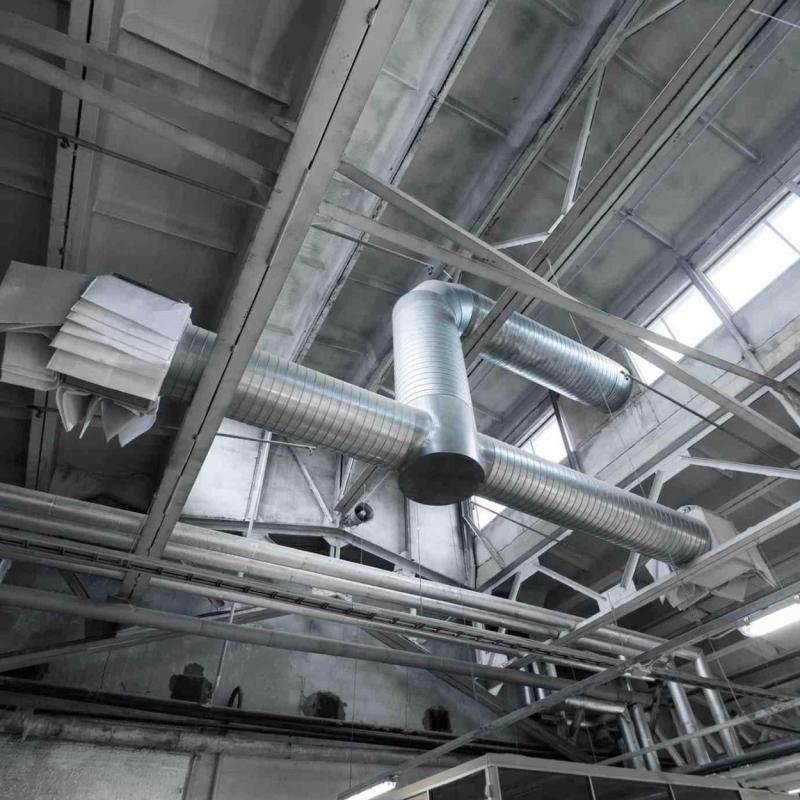
A hood system, also known as a commercial kitchen exhaust hood, is an integrated system for extracting and purifying air from the kitchen. It consists of an exhaust hood cover, ventilation ducts, exhaust fans, filters to trap fats and greases, and an automatic fire suppression system.
The importance of the system can be summarized in the following points:
Protection of Lives and Property: Extracts toxic fumes, gases, and airborne grease, significantly reducing fire risks and improving air quality.
Regulatory Compliance: Adherence to Civil Defense requirements and the Saudi Fire Protection Code (SBC 801), as exhaust systems are a fundamental condition for obtaining an operating license.
Creating a Safe and Comfortable Work Environment: Reduces heat and heavy odors, improving chef efficiency and extending equipment life.
Section Two: Regulatory Framework – Key References
Hood system installation works in the Kingdom of Saudi Arabia are subject to an integrated system of international standards and local regulations aimed at unifying quality and safety criteria.
First: International Standard NFPA 96 – The Backbone of Commercial Kitchen Safety
The NFPA 96 standard (Standard for Ventilation Control and Fire Protection of Commercial Cooking Operations) is the primary and leading reference worldwide, and it is mandatorily adopted in the Kingdom of Saudi Arabia as part of the Saudi Building Code system.
Key Requirements of NFPA 96 for Hood Systems:
Hood Types:
Type I: Mandatory for cooking appliances that produce smoke or grease, such as deep fryers, griddles, and charbroilers.
Type II: For cooking appliances that produce only heat or steam, such as dishwashers and ovens.
Manufacturing Materials: Ducts are made of Stainless Steel with a thickness of not less than 16 Gauge, and are installed with specific slopes to ensure safe grease drainage. Materials in contact with food must be food-grade stainless steel (Grade 304 or 316).
Safety Clearances: The distance between ventilation ducts and any combustible material must not be less than 18 inches (45 cm), and 3 inches (7.6 cm) for limited-combustible materials. Direct contact is permitted with non-combustible materials.
Flow Rates: Standards specify minimum exhaust airflow rates (CFM) based on the type and size of cooking equipment, to ensure complete extraction of vapors and grease.
🔗 Official Reference:
NFPA 96 Overview – NFPA
Second: Saudi Fire Protection Code (SBC 801)
The Saudi Fire Protection Code (SBC 801) is the national reference that integrates NFPA 96 requirements within its regulatory framework. All hood systems must comply with the requirements of this code, especially regarding fire resistance, automatic suppression systems, and alarm devices.
Third: Civil Defense Requirements
The General Directorate of Civil Defense is the primary executive and supervisory authority for applying safety requirements in commercial facilities. Regulations require:
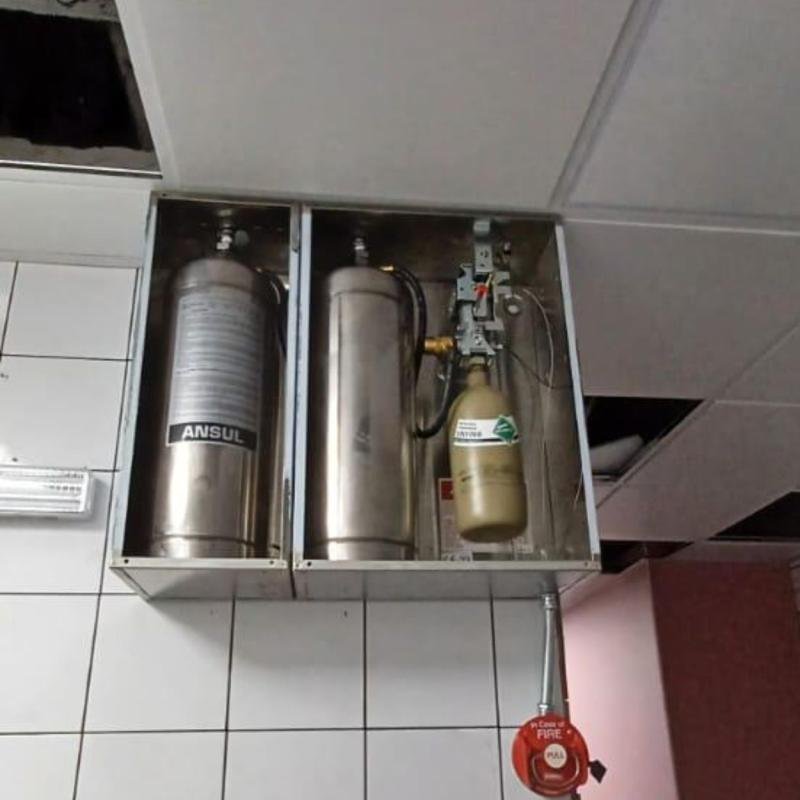
Automatic Fire Suppression System (Wet Chemical): A specialized automatic fire suppression system for oil and grease fires (Class K) must be installed inside the hood cover and above all cooking equipment. This system extinguishes the fire immediately upon ignition and prevents its spread through the ductwork.
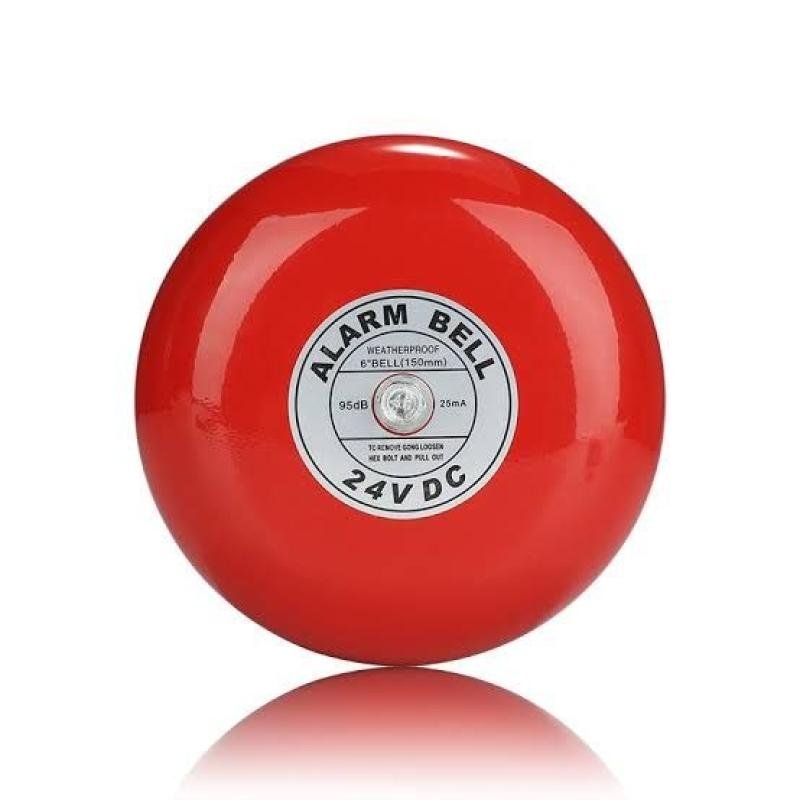
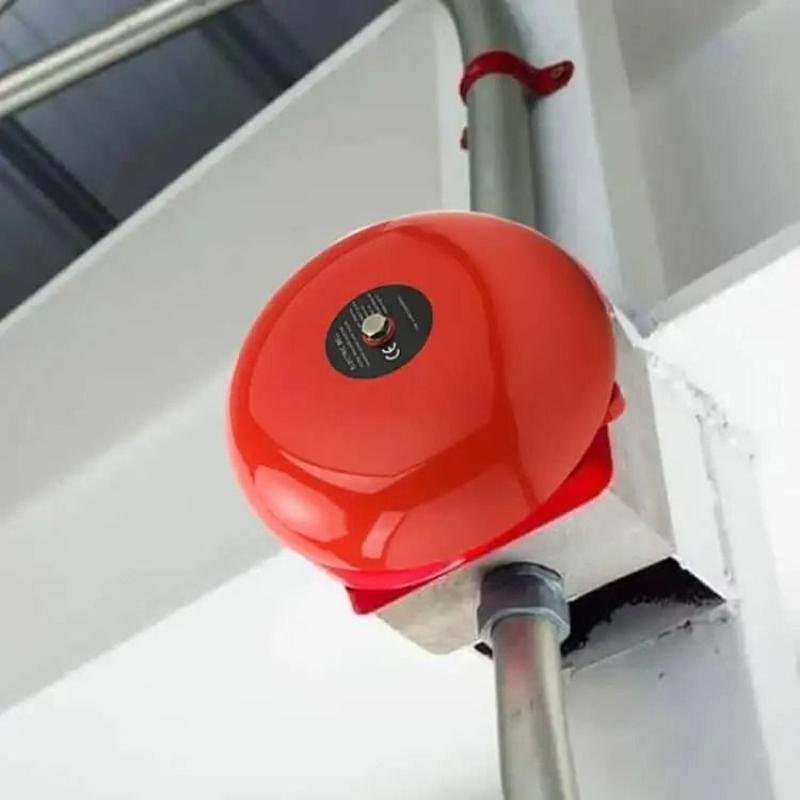
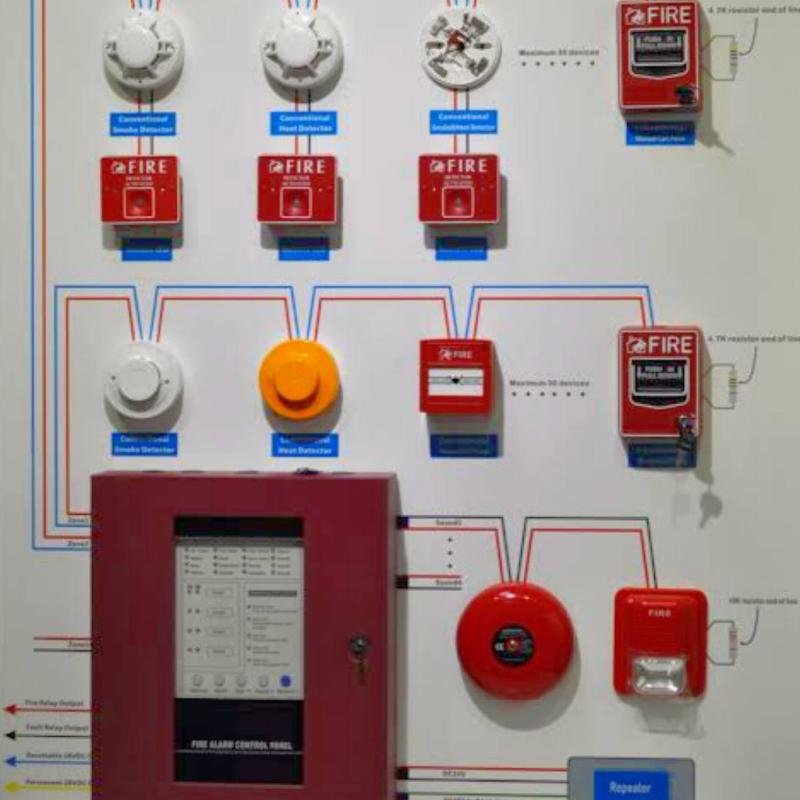
Alarm and Evacuation Panels: Connecting the hood suppression system to the facility's main fire alarm panel to ensure rapid response.
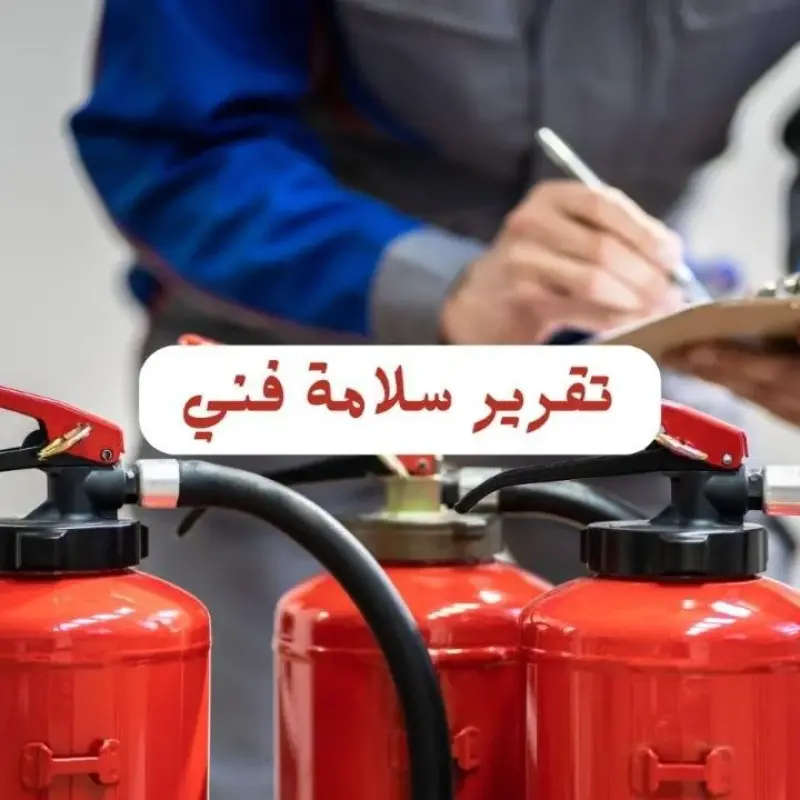
Periodic Inspection: Conducting periodic inspection of the suppression and ventilation system by Civil Defense-approved companies.
🔗 Official References:
General Directorate of Saudi Civil Defense
Civil Defense Regulations for Technical and Commercial Activities (Ventilation and Air Conditioning Systems Section)
Fourth: Municipal Requirements and Health Regulations
Municipalities in the Kingdom, as part of their municipal licensing requirements for restaurants, require the availability of effective ventilation systems, with air change rates not less than 35 cubic meters per hour. They also require detailed architectural drawings showing the locations of hoods, ductwork, and cooking equipment.
Section Three: Types of Hood Systems – A Comprehensive Guide for Contractors and Facility Owners
Hood systems in the Saudi market vary to suit different operational needs and spaces:
1. Single Hood System
The most common type in medium-sized restaurants. It consists of a single exhaust hood covering an adjacent group of cooking equipment (e.g., griddles, fryers, and ranges). It is characterized by ease of installation and maintenance and is suitable for limited spaces.
2. Multi-Hood System
Used in large kitchens (e.g., hotels, hospitals, and universities). It consists of multiple exhaust hoods connected to a single central duct system. It features a massive capacity to extract large volumes of air, making it ideal for high-productivity environments. This system requires precise engineering planning and customized site design.
3. Air Recirculation Hood System (Duplex or Recirculating Hood)
An advanced system that extracts air, purifies it through multi-stage filters, and then recirculates it back into the kitchen. This type is ideal for restaurants located on upper floors or in places where external ventilation ducts cannot be installed.
4. Variable Air Volume (VAV) Smart Exhaust System
An energy-efficient system equipped with sensors that control fan speed based on the amount of smoke and airborne grease. It significantly reduces electricity consumption and operating costs and is recommended for projects seeking energy efficiency certifications.
Section Four: Hood System Installation Stages – From Design to Operation
To obtain a safe and effective hood system, a professional methodology including the following stages must be followed:
Stage One: Design and Planning
Needs Analysis: Determining the types and sizes of cooking equipment (ranges, fryers, griddles), and calculating total thermal loads and ventilation requirements.
Preparing Plans: Including engineering plans showing hood locations, duct dimensions, fan connection points, and fire suppression system details (Ansul or equivalent).
Coordination with Other Disciplines: Coordinating with architectural and structural engineers to ensure suitable paths for ductwork and external discharge openings.
Stage Two: Supply and Quality Inspection
Material Selection: Supplying hood covers and ducts made of Stainless Steel with a thickness of not less than 16 Gauge.
Component Approval: Ensuring that all components (fans, filters, suppression system) have Conformity Certificates (SABER) and the Saudi Quality Mark (SASO), and comply with NFPA 96 standards.
Stage Three: Installation and Execution
Installing the Support Structure: Fixing the hood to the wall or ceiling using strong, vibration-resistant suspension systems.
Extending Ventilation Ducts: Installing air ducts according to plans, observing safe clearances from combustible materials. Ducts must be tightly sealed to prevent grease and air leakage.
Installing Exhaust Fans: Installing the exhaust fan at the end of the ventilation line, preferably on the building's roof to ensure maximum efficiency and reduce noise.
Installing the Automatic Fire Suppression System: Installing cylinders and Wet Chemical piping network inside the hood cover, connecting them to the main alarm panel, and linking them to automatic gas and electricity shut-off valves.
Stage Four: Operation and Testing
Airflow Testing: Measuring air velocity within ducts and at suction openings to ensure required CFM rates are achieved.
Fire Suppression System Testing: Simulating system discharge to ensure it operates correctly and distributes the chemical agent to all cooking points.
Integration Testing: Ensuring the system is integrated with the main alarm panel, and that gas and electricity shut-off valves operate automatically upon suppression discharge.
Stage Five: Handover and Documentation
Preparing a Comprehensive Technical Report: Including results of all tests, proof of system compliance with NFPA 96 standards and Civil Defense requirements.
As-built Drawings: Documenting all modifications made during installation.
Delivering Warranty and Maintenance Documents: Including periodic maintenance schedules and operating manuals.
Section Five: Periodic Maintenance – Ensuring Continued Readiness and Safety
Periodic maintenance of hood systems is an integral part of Civil Defense requirements and insurance conditions. According to NFPA 96:
System Inspection: Commercial cooking systems must be fully inspected by a Civil Defense-approved company at intervals ranging from 3 to 6 months, based on the volume and type of cooking operations (high-volume restaurants may require monthly inspection).
Cleaning Ventilation Ducts: Air ducts and all components of the exhaust system must be periodically cleaned to remove accumulated grease deposits that pose a fire hazard.
Maintenance Log: Civil Defense requires maintaining a documented log of inspection and cleaning operations to be presented when renewing the license.
Section Six: Permitting and Licensing Procedures
To install a hood system in any facility (restaurant, hotel, central kitchen), the following regulatory procedures must be followed:
First: Plan Approval from Civil Defense
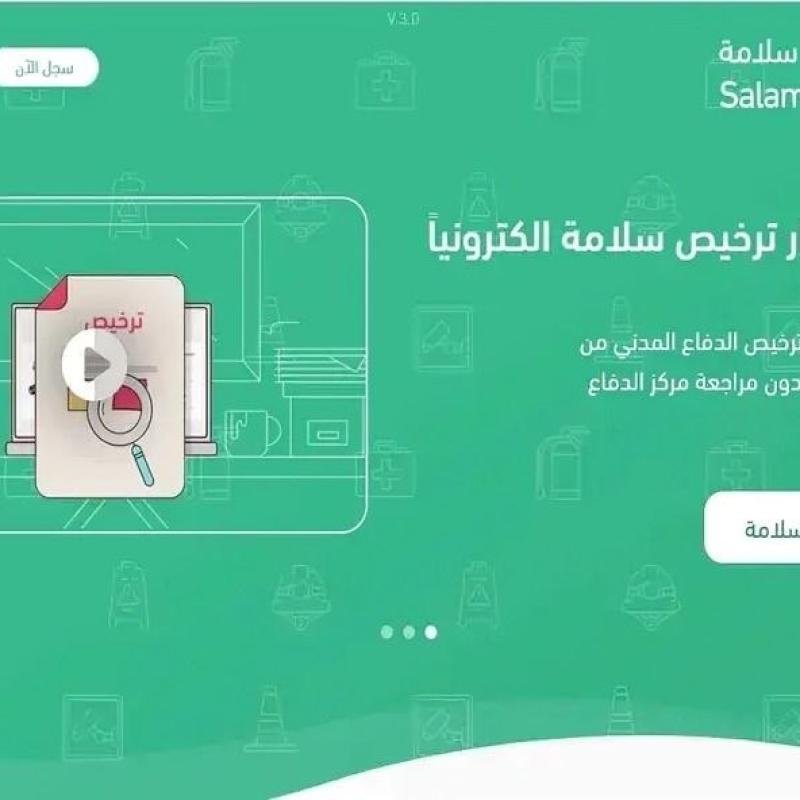
Submitting Plans: Submitting architectural and engineering plans showing the exhaust and hood system to Civil Defense via the "Salamah" electronic platform.
Initial Approval: Obtaining approval on the plans before commencing installation work.
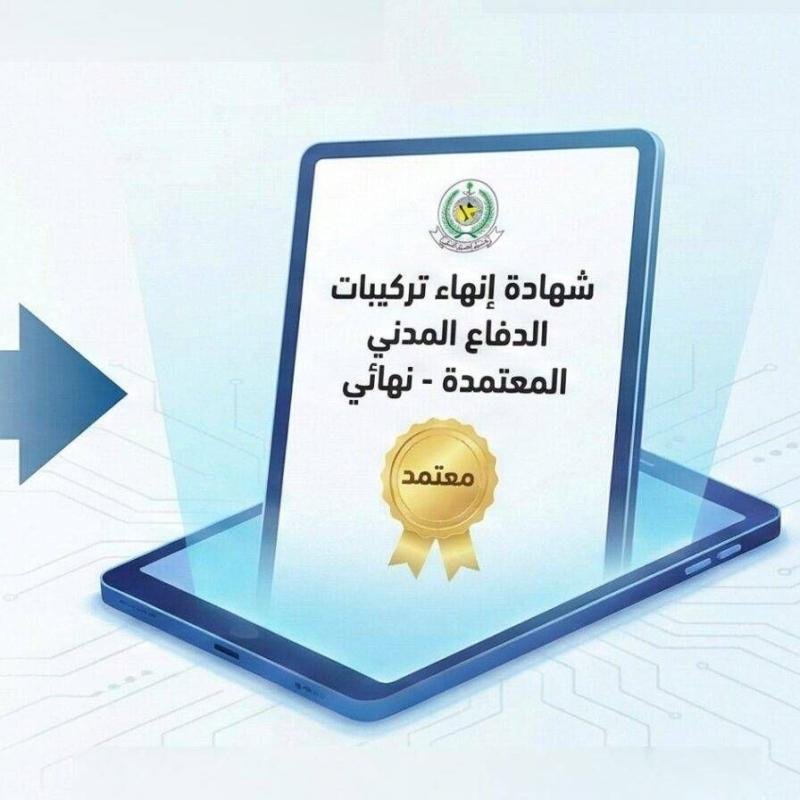
Second: Obtaining a Fire Suppression System Installation Completion Certificate
Contracting with an Approved Company: The Wet Chemical fire suppression system must be installed by a Civil Defense-approved company.
Issuing the Certificate: After completing installation and testing, the company issues an Installation Completion Certificate, which is an essential document for completing the facility licensing.
Third: Obtaining the Civil Defense License for the Facility
Site Preparation: After completing all installation works (hood, suppression, alarm, emergency lighting), a final inspection request is submitted to Civil Defense.
Inspection and Approval: A Civil Defense inspector visits the site to verify that all systems comply with requirements. Upon passing, the Civil Defense License (Safety Certificate) is issued for the facility.
Fourth: Obtaining a Municipal License
Municipality Requirement: A municipal license (for restaurant or central kitchen activity) cannot be obtained without submitting the Fire Suppression System Completion Certificate and the Civil Defense License.
Section Seven: Supervisory Authorities and Accredited References
| Entity | Key Responsibilities |
|---|---|
| General Directorate of Civil Defense | Supervising safety requirements, issuing licenses, reviewing hood and suppression system plans, conducting field inspections. |
| Ministry of Municipal and Rural Affairs and Housing (MOMRAH) | Issuing municipal licenses, supervising public health and ventilation requirements in restaurants. |
| Saudi Standards, Metrology and Quality Organization (SASO) | Setting specifications for ventilation and suppression system products, supervising the SABER system, and granting conformity certificates. |
| Saudi Building Code Center (SBC) | Developing and updating the Saudi Building Code, including the Fire Protection Code (SBC 801). |
| Saudi Council of Engineers (SCE) | Licensing engineering offices and engineers working in the design and supervision of ventilation systems. |
🔗 Official References:
Salamah Platform – Civil Defense E-Services
Balady Platform – Municipal E-Services
SABER Electronic System
Section Eight: Best Practices for Choosing a Contractor and Ensuring Quality
Rely on a Specialized Engineering Office: Contracting with an engineering office accredited by Civil Defense and the Saudi Council of Engineers to design plans and supervise implementation according to the latest standards.
Choose an Approved and Experienced Contractor: Ensuring the contractor has a proven track record in installing hood systems, and that their technicians are trained and certified by fire suppression system manufacturers (e.g., Ansul).
Ensure Conformity Certificates: Requiring that all system components (hood, fans, gas pipes, suppression system) have Conformity Certificates via the SABER system and the Saudi Quality Mark (SASO).
Comply with Civil Defense Requirements: Ensuring the Wet Chemical fire suppression system is installed above all cooking equipment and connected to the main alarm panel.
Request Visits to Previous Projects: Reputable companies do not mind arranging site visits to their previous projects to see the quality of the final work.
Documentation and Final Handover: Obtaining a comprehensive technical report after installation completion, including test results, proof of system compliance with NFPA 96 standards and Civil Defense requirements, and As-built Drawings.
Sign a Periodic Maintenance Contract: Ensuring an annual maintenance contract is signed with the contractor to guarantee periodic inspection and cleaning of the system, and the issuance of necessary technical reports for renewing the Civil Defense license.
Conclusion: The Hood System is an Investment in Safety and Permanent Compliance
In conclusion, the installation of a hood system (kitchen exhaust hood) in the Kingdom of Saudi Arabia represents a precise engineering process and an integrated system of international standards and local regulations aimed at achieving the highest levels of safety, quality, and compliance. By adhering to NFPA 96, following the Saudi Fire Protection Code (SBC 801) , complying with Civil Defense requirements , obtaining conformity certificates via the SABER system , and contracting with accredited engineering offices and contractors, any facility can ensure a highly efficient and reliable exhaust and hood system.
Investing in an integrated, code-compliant hood system is not just an operational cost; it is a long-term investment in the safety of the building's occupants, business continuity, avoiding fines and violations, and obtaining the Civil Defense license smoothly. Start today by assessing your facility's needs, contacting the competent authorities to obtain permits, and relying on accredited experts and engineers to make your hood system the protective shield that safeguards your kitchen and facility from the most serious dangers.