





Annual Maintenance Contracts for Fire Safety Systems in Saudi Arabia: Your Comprehensive Guide to Continuous Compliance and Readiness
Introduction: Are Your Fire Safety Systems Truly Ready?
Imagine being in an emergency situation where you suddenly need your fire alarm system or fire sprinklers, only to discover that the system is down. This nightmare scenario can become a tragic reality if periodic maintenance of fire safety systems is neglected. This is where the vital role of annual maintenance contracts comes into play. These contracts are not mere routine paperwork; rather, they are a strategic investment to protect lives and property, ensure business continuity, and maintain strict compliance with the Saudi Civil Defense regulations.
In this comprehensive guide, we review in detail the concept of periodic maintenance contracts for fire safety systems, their importance, their regulatory frameworks in Saudi Arabia, their core components, and the criteria for choosing an approved contractor.
Section 1: What Are Annual Maintenance Contracts for Fire Systems?
An annual maintenance contract for fire safety systems is a legally binding agreement between the facility owner (whether commercial, industrial, or residential) and a specialized, approved company in the field of safety and fire protection systems. The primary goal of this contract is to ensure that all components of the protection system operate at maximum efficiency and high readiness around the clock. This is achieved through preventative maintenance programs, periodic inspections, and regulatory testing in accordance with the latest standards and regulations. This commitment to preventative maintenance prevents system failures before they occur and guarantees that all systems—from alarms to fire extinguishers—are ready for immediate use.
Section 2: Regulatory Frameworks and Approved References in Saudi Arabia
To fully understand the requirements of periodic maintenance contracts, one must start by understanding both the regulatory and technical frameworks governing this field.
First: The Saudi Regulatory Framework
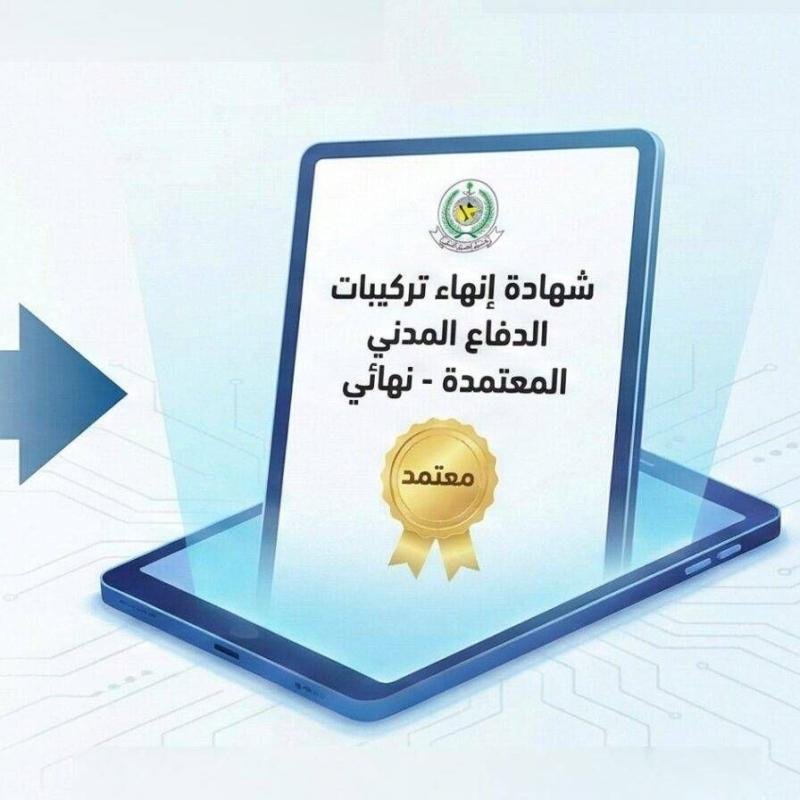
In the Kingdom of Saudi Arabia, periodic maintenance contracts are a mandatory requirement. The General Directorate of Civil Defense stipulates a valid maintenance contract with one of its approved companies as a primary requirement for issuing or renewing a Civil Defense license (Safety Certificate). The Executive Regulations for Engineering, Technical, and Contracting Activities related to fire prevention and protection prohibit practicing installation and maintenance activities without obtaining the necessary license from the Civil Defense, and enforce strict adherence to the Civil Defense system, regulations, and instructions.
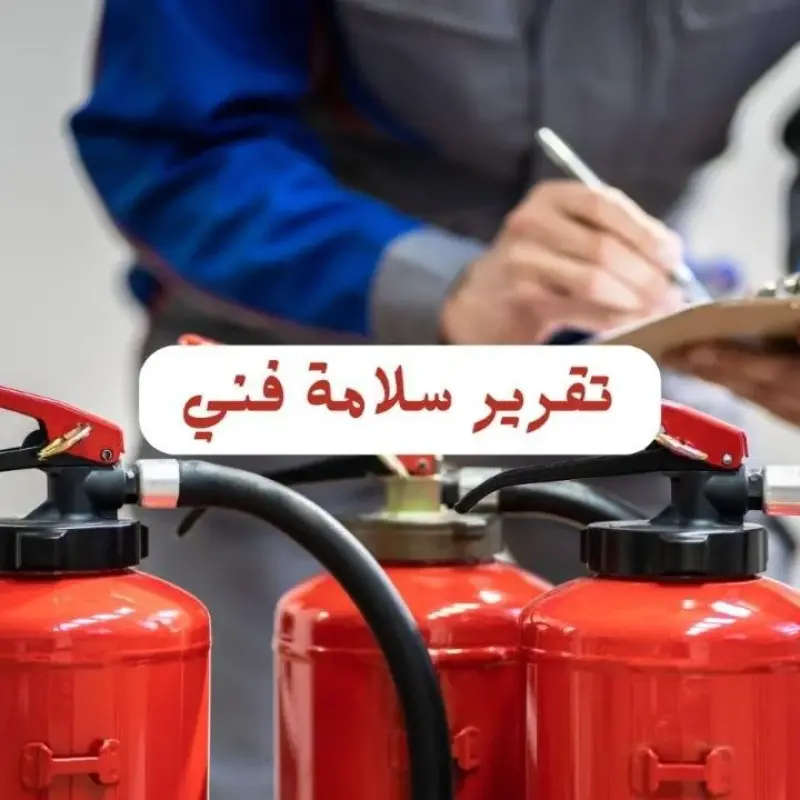
Annual maintenance contracts for safety systems are required to obtain the Civil Defense safety certificate, ensuring the effectiveness, efficiency, and continuous readiness of firefighting and alarm systems. When renewing the license, a periodic report detailing the condition of the alarm and firefighting systems inside the facility must be submitted, which must be prepared by an approved entity to prove the readiness level of the systems.
For inquiries about official requirements and procedures, you can visit the following links:
🔗 Saudi General Directorate of Civil Defense
🔗 Saudi Fire Code SBC 801
Second: Technical Frameworks and International Standards
All relevant authorities in the Kingdom rely on a set of international standards to ensure the efficiency and quality of maintenance work, most notably:
NFPA Standards (National Fire Protection Association): This is the leading global engineering reference. For example, NFPA 72 specifies the requirements for the inspection, testing, and maintenance of fire alarm systems, while NFPA 25 covers the standards for the inspection, testing, and maintenance of water-based fire protection systems (sprinklers and hoses), and NFPA 10 governs the maintenance requirements for portable fire extinguishers.
Section 3: Components and Scope of Work in a Periodic Maintenance Contract
For a contract to be comprehensive and effective, it must cover all components of the protection system in the facility. The scope of work varies depending on the type and size of the facility, but it typically includes the following systems:
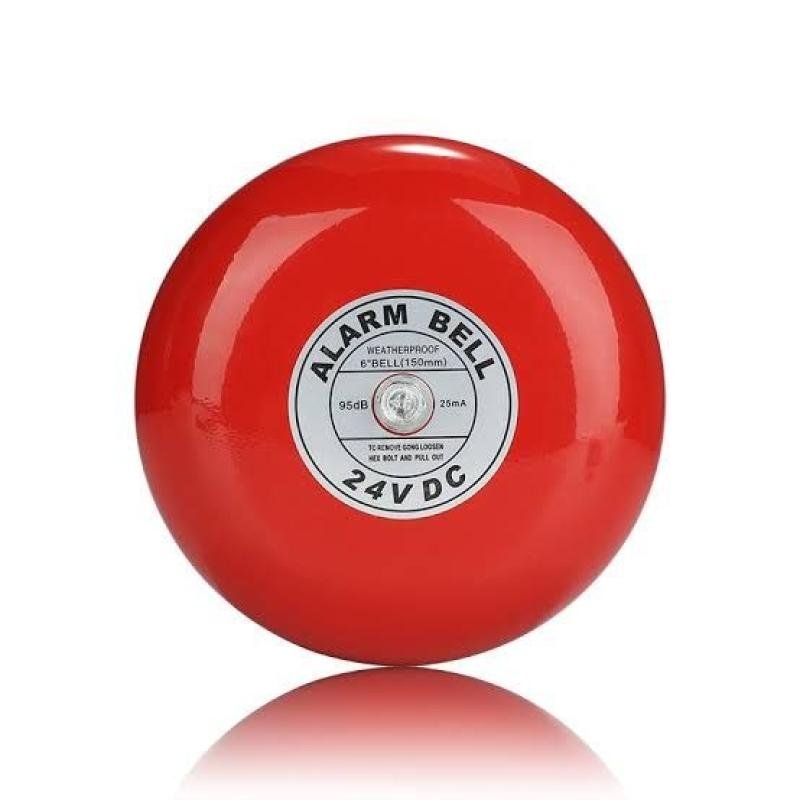
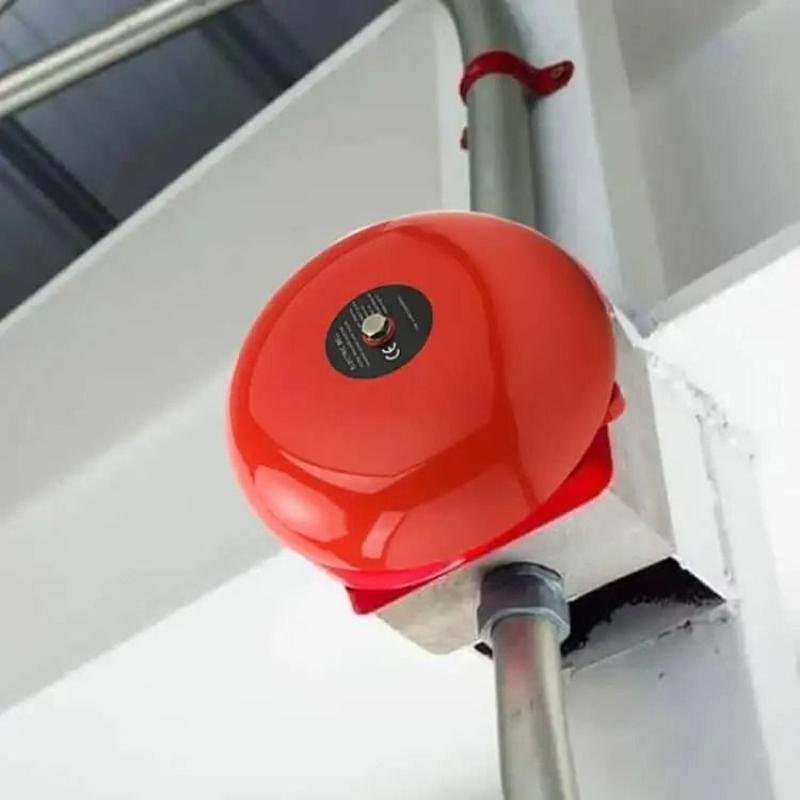
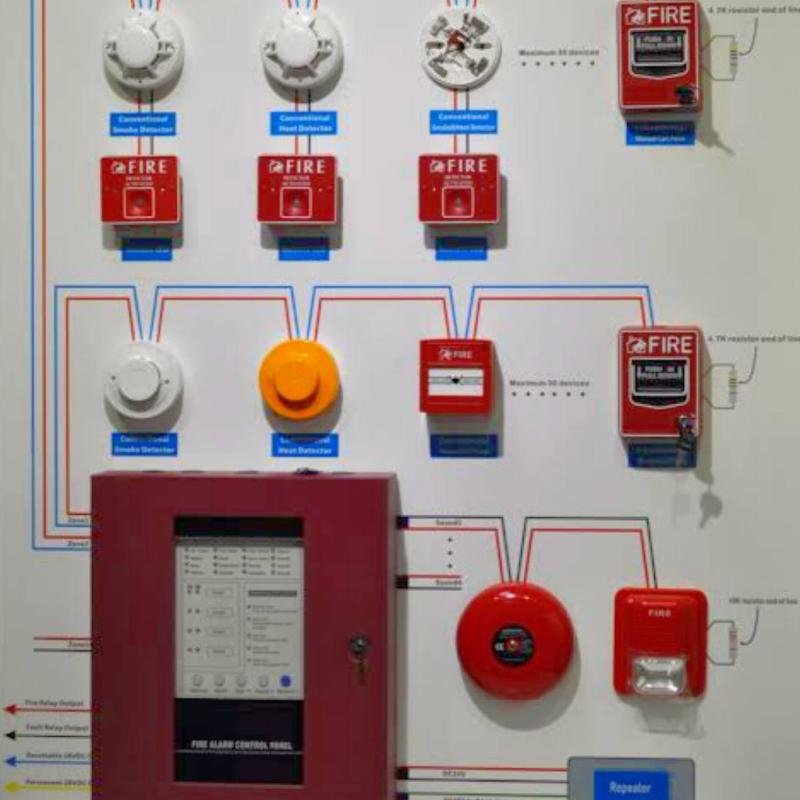
Fire Alarm Systems (Early Warning): This includes inspecting and testing control panels, smoke and heat detectors, alarm bells, manual pull stations, emergency lights, and directional signs.
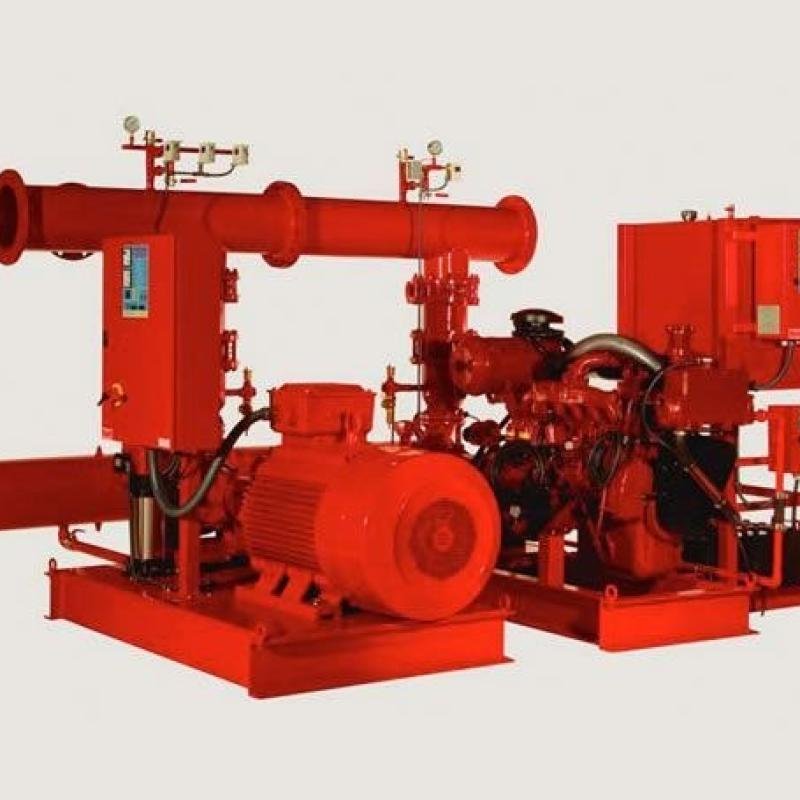
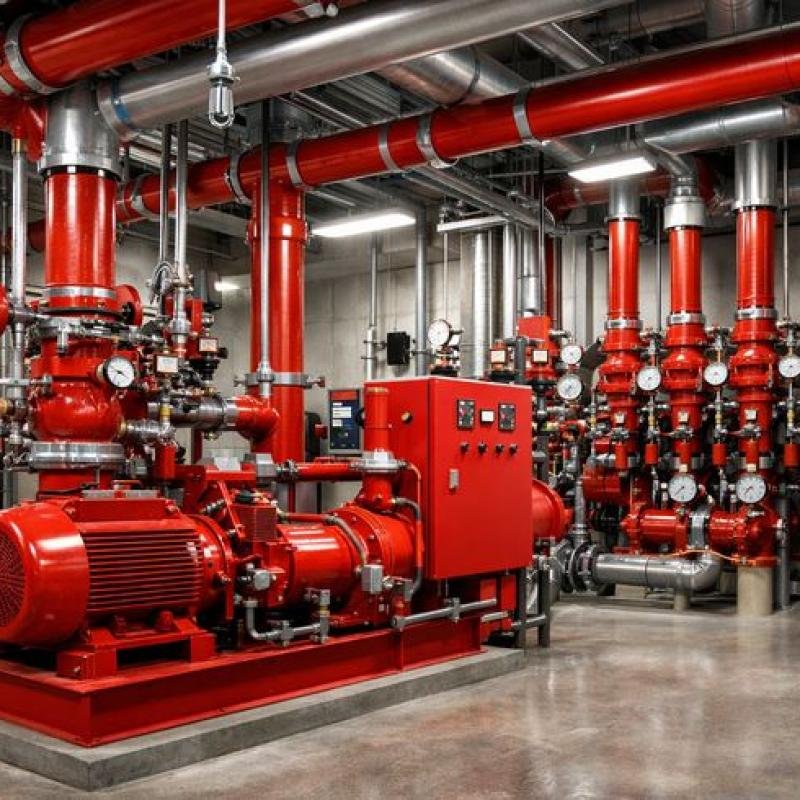
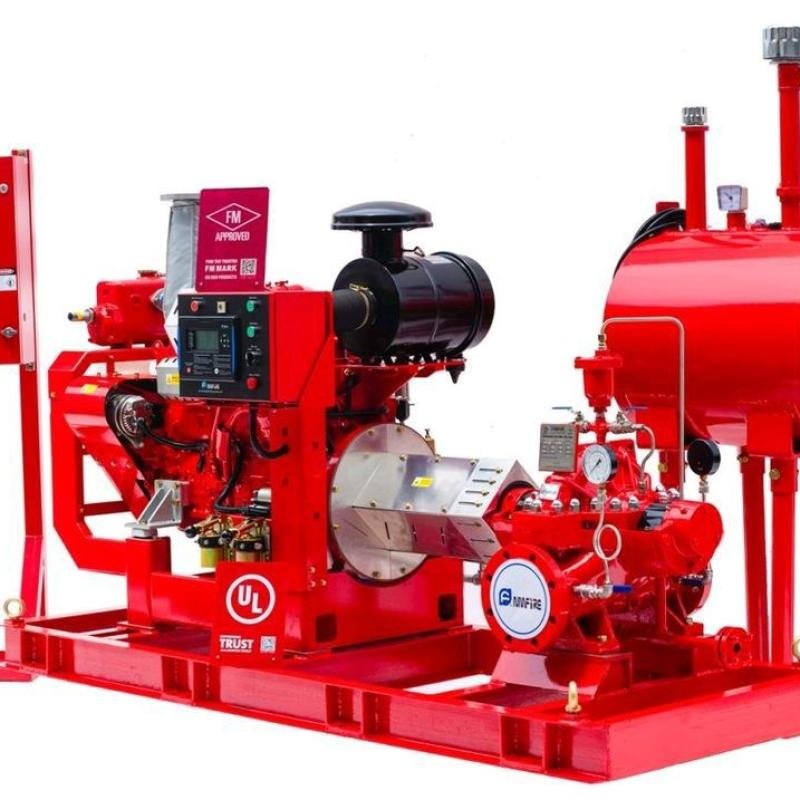
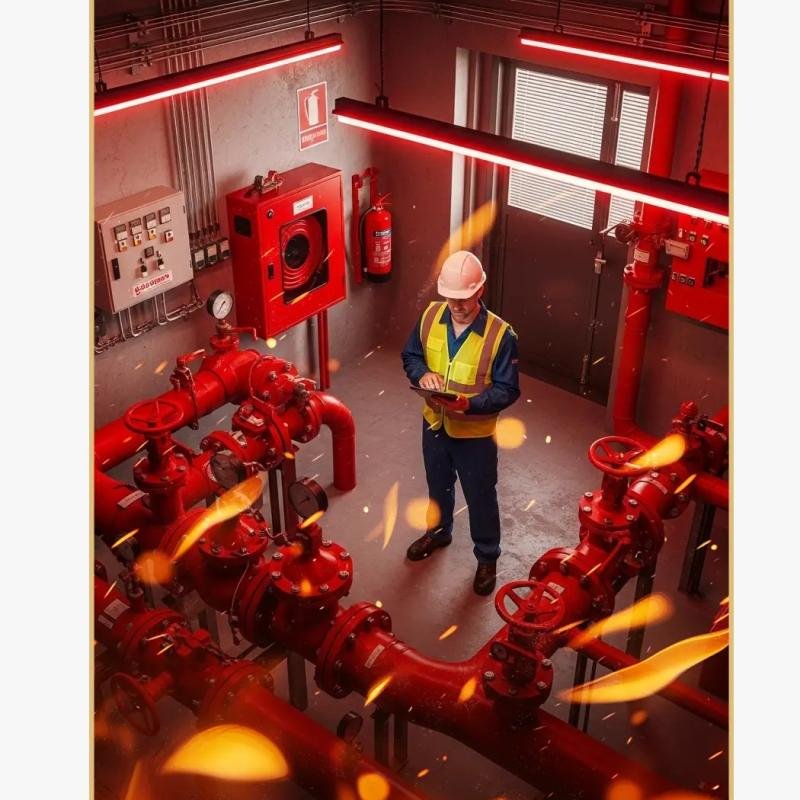
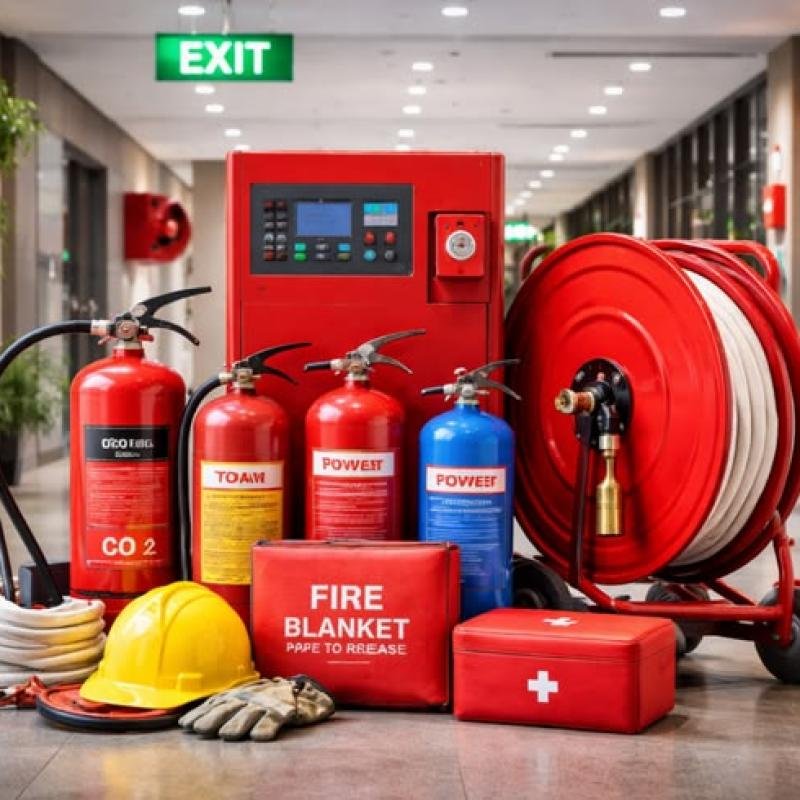
Fire Suppression and Fighting Systems: This includes inspecting and testing fire pumps (both electric and diesel), automatic sprinkler networks, fire hose reels, and all types of portable fire extinguishers (dry chemical, CO2, and foam) to ensure their validity.
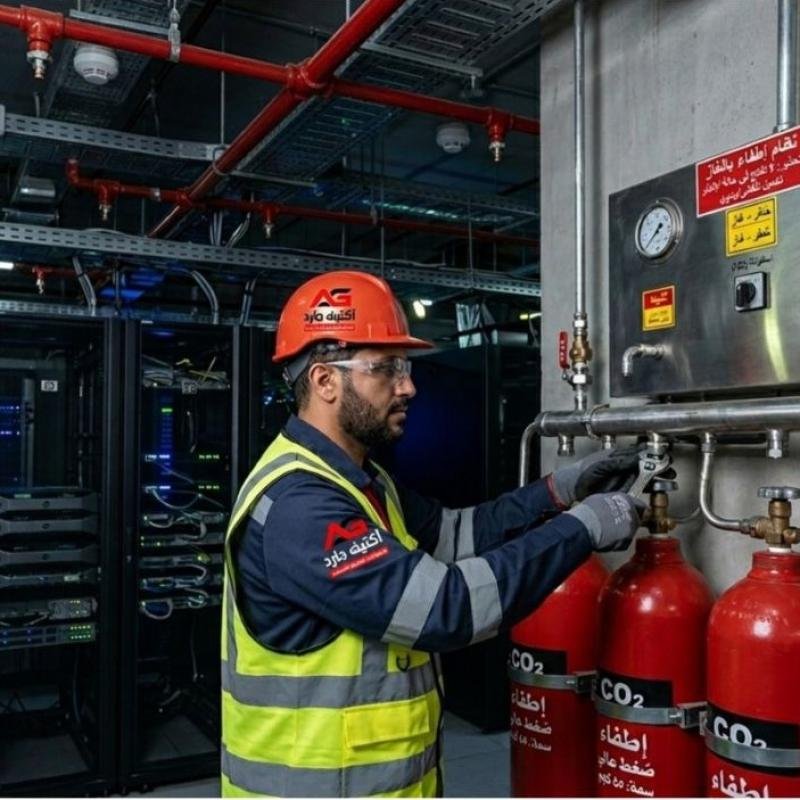
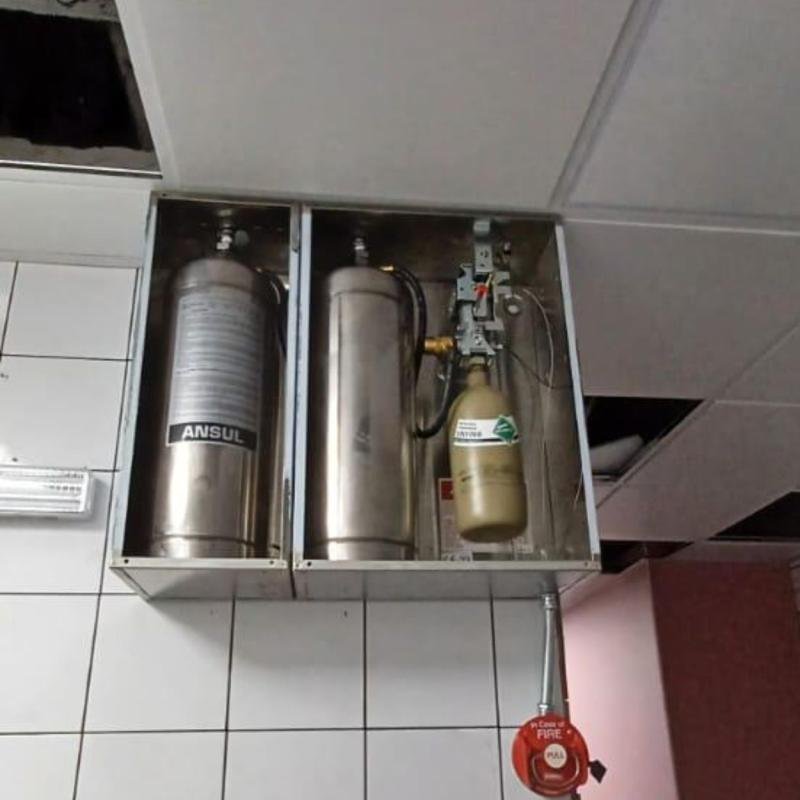
Clean Agent Fire Suppression Systems: In sensitive areas such as server rooms, museums, and hospitals, clean gas systems like FM200 and NOVEC 1230 are inspected to ensure the integrity of the cylinders and release valves.
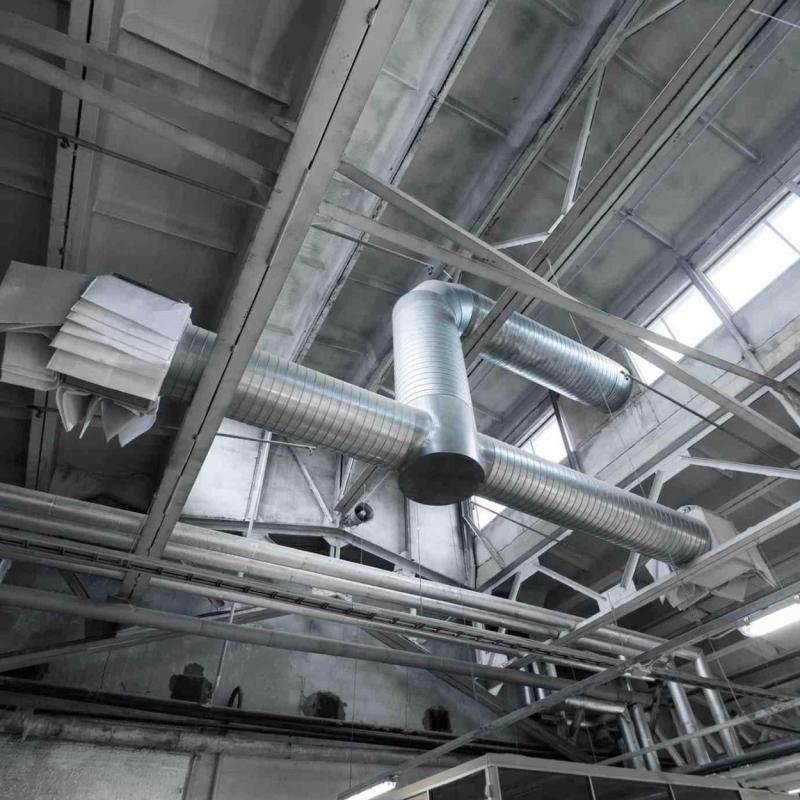
Smoke Control and Ventilation Systems: Smoke extractors and fans are checked and tested to ensure they operate efficiently during emergencies.
Other Safety Equipment: This includes fire-rated doors, emergency lighting, exit signage, and evacuation equipment.
Section 4: Criteria for Choosing a Maintenance Contractor – Why "Active Guard"?
To guarantee excellent maintenance service and an approved system, you must deal with companies that have a proven track record, experience, and official licensing. Active Guard serves as a prime model of specialized and qualified companies in this field, adhering to the highest standards of quality and efficiency.
The most prominent criteria that must be met by any approved maintenance contractor, including Active Guard, are:
Official Accreditation from the Civil Defense: The company must be listed in the approved directory of contractors and establishments authorized by the Civil Defense to practice installation and maintenance activities.
Qualified and Licensed Technical Staff: The team must include engineers and technicians holding certified credentials in the field of fire systems, with sufficient practical experience.
Using Modern Equipment and Devices: The company must utilize the latest measurement and testing devices to ensure the accuracy of all inspections.
Clear Commitment to Maintenance Schedules: Active Guard commits to strict timelines for periodic visits and comprehensive inspections, providing detailed technical reports after each visit.
24/7 Emergency Services: Active Guard is available for rapid response to any emergency system failures 24 hours a day, 7 days a week.
To view the officially approved list of companies and institutions by the Civil Defense, you can review the official directory via the following link:
🔗 Approved Companies and Institutions - Saudi Civil Defense
Section 5: Benefits of Periodic Maintenance Contracts for Your Facility
Investing in a periodic maintenance contract with a trusted company like Active Guard provides a set of core benefits:
Ensuring Regulatory Compliance: Obtaining and renewing the Civil Defense safety certificate easily without fines or delays, as annual maintenance contracts are a basic requirement for the annual license.
Protecting Lives and Property: Guaranteed operation of fire systems when needed, minimizing the risk of human and material losses.
Reducing Repair Costs: Preventative maintenance detects small issues before they turn into major, expensive failures, thereby extending the lifespan of the equipment.
Avoiding Financial Fines: Failure to comply with Civil Defense requirements may expose the facility to hefty financial fines that could reach administrative closure.
Peace of Mind and Trust: Maintenance contracts with an approved company like Active Guard provide facility owners with peace of mind, knowing that qualified experts are handling the safety systems.