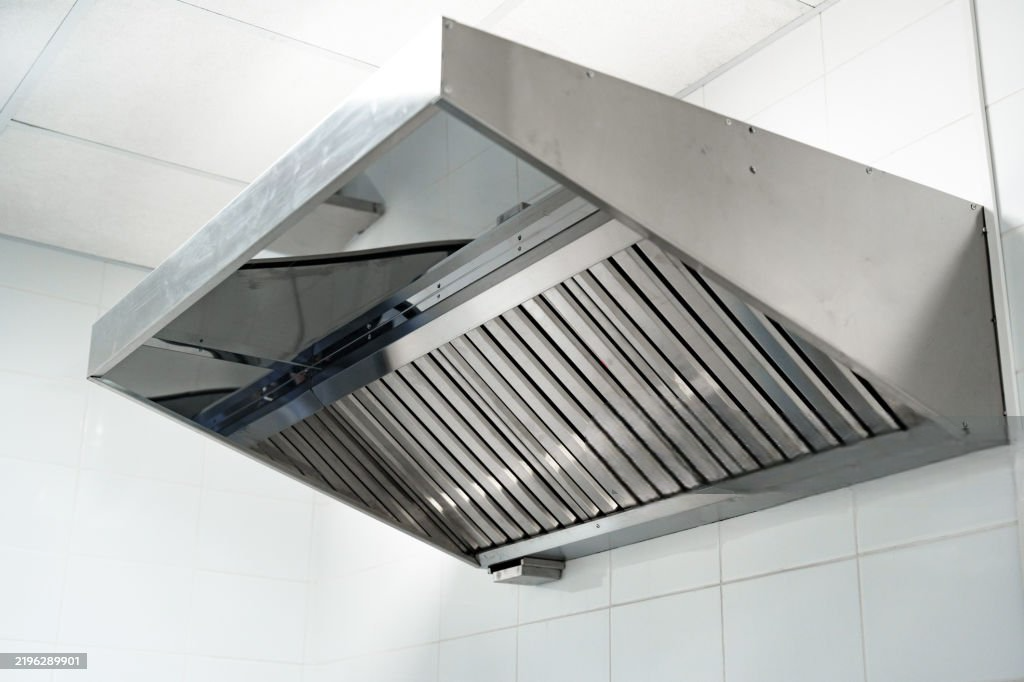












Kitchen hood installation

A kitchen hood is a device installed above a cooking stove to extract fumes, vapors, odors, and volatile fats generated by the cooking process, thus maintaining the cleanliness and quality of the air in the kitchen.

  1. Flat hood (under-cabinet hood):

    • Description: Mounts directly under the kitchen cabinet above the stove.
    • Pros: Space-saving, affordable, popular in small and medium-sized kitchens.
    • Cons: May be less efficient in terms of suction power than other types due to its small size.


Hood (hood) islands

Description: Suspended from the ceiling above a stove located on a kitchen island (i.e., not flush with the wall). Advantages: Attractive, central design, becomes a decorative element in the kitchen. Disadvantages: Requires more complex installation (especially connecting ductwork through the ceiling), and is usually more expensive.

  • Periodic maintenance
  • Replace filters
Hood (hood) islands

Modern colors and designs

Color Consultation: Offer a free “color consultation” service. Many clients love the ideas but fear making the wrong choice. Example: “Our team specializes in providing color consultations to help you choose colors that reflect your personality and complement your home decor.” Latest color trends: Stay up-to-date on the colors of the year from global paint companies and showcase them to clients.

Modern colors and designs
  1. Factors to Consider Before Purchasing and Installing
  2. Size (Width): The width of the range hood should be equal to or slightly larger than the width of the stove underneath. This ensures that the range hood captures most of the rising fumes.
  3. Suction Power (Ventilation Capacity): Typically measured in CFM or m³/h.
  4. For normal cooking: 400-600 CFM may be sufficient.
  5. For intensive cooking (frying, grilling): 900 CFM or higher.
  6. The larger the kitchen and the more powerful the stove, the higher the suction power required.
  7. Ventilation System:
  8. Ducted: The best option. It exhausts polluted air outside the home. This system is the most efficient at removing odors and moisture.
  9. Ductless / Recirculating: The range hood filters the air of grease and odors (via carbon filters) and then returns it to the kitchen. This option is less efficient and is suitable for areas where external ventilation is difficult to establish.
  10. Noise level: It is measured in decibels (dB). Look for appliances with a low noise level (less than approximately 60 dB) if you are sensitive to noise.
  11. Design and features: Lighting (LED is best), construction materials (stainless steel is durable and easy to clean), controls (buttons, touch sensor), and speed settings.


Zelus
The bird
Nature Wave
Finance
Start
Zelus