Asset Protection
Prevent financial losses and avoid operational disruptions.

Exit 15, Eastern Ring Road, Prince Saad bin Abdulrahman Road, Plaza Complex, Second Floor, Office 8
0543804776
info@activeguard.site








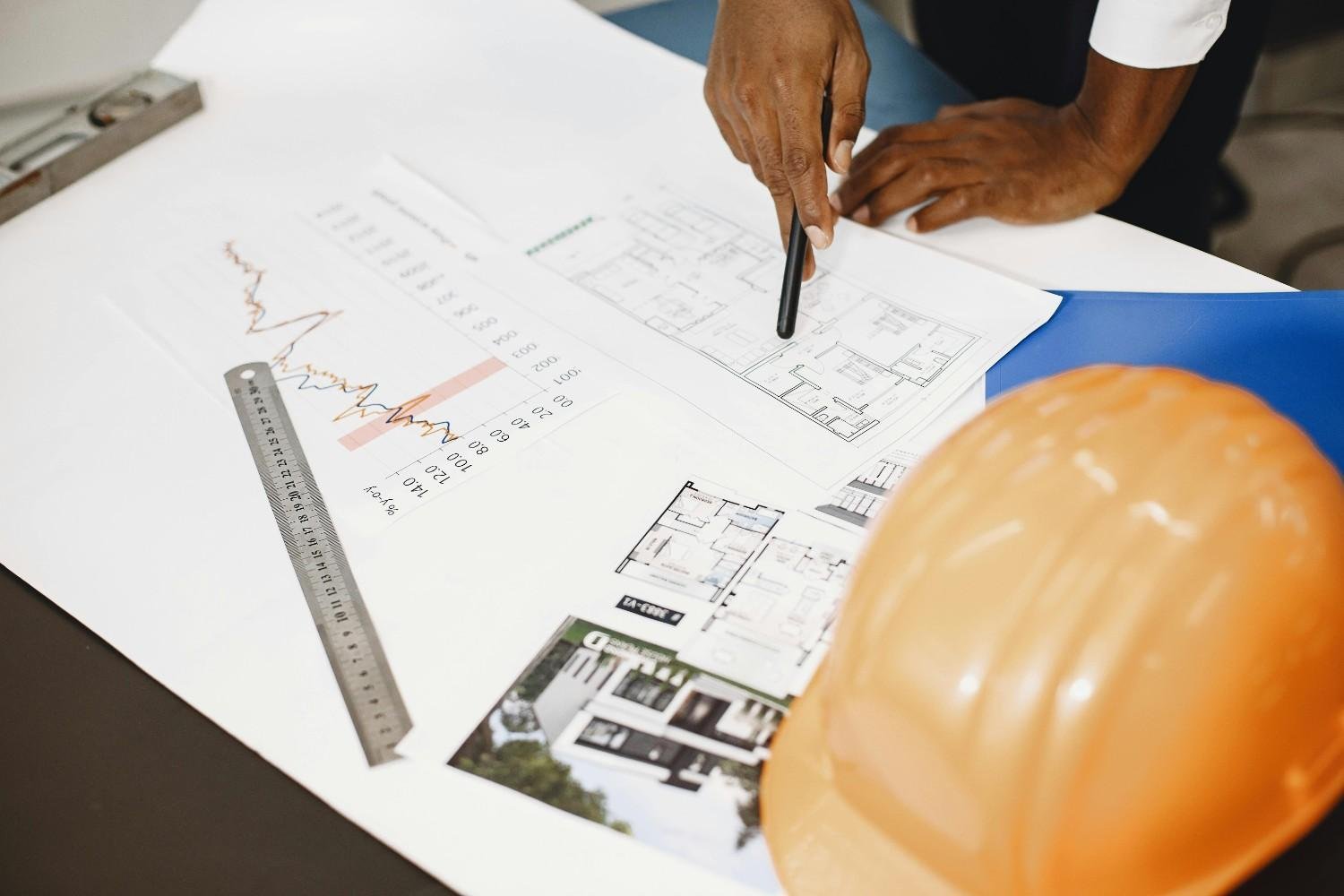
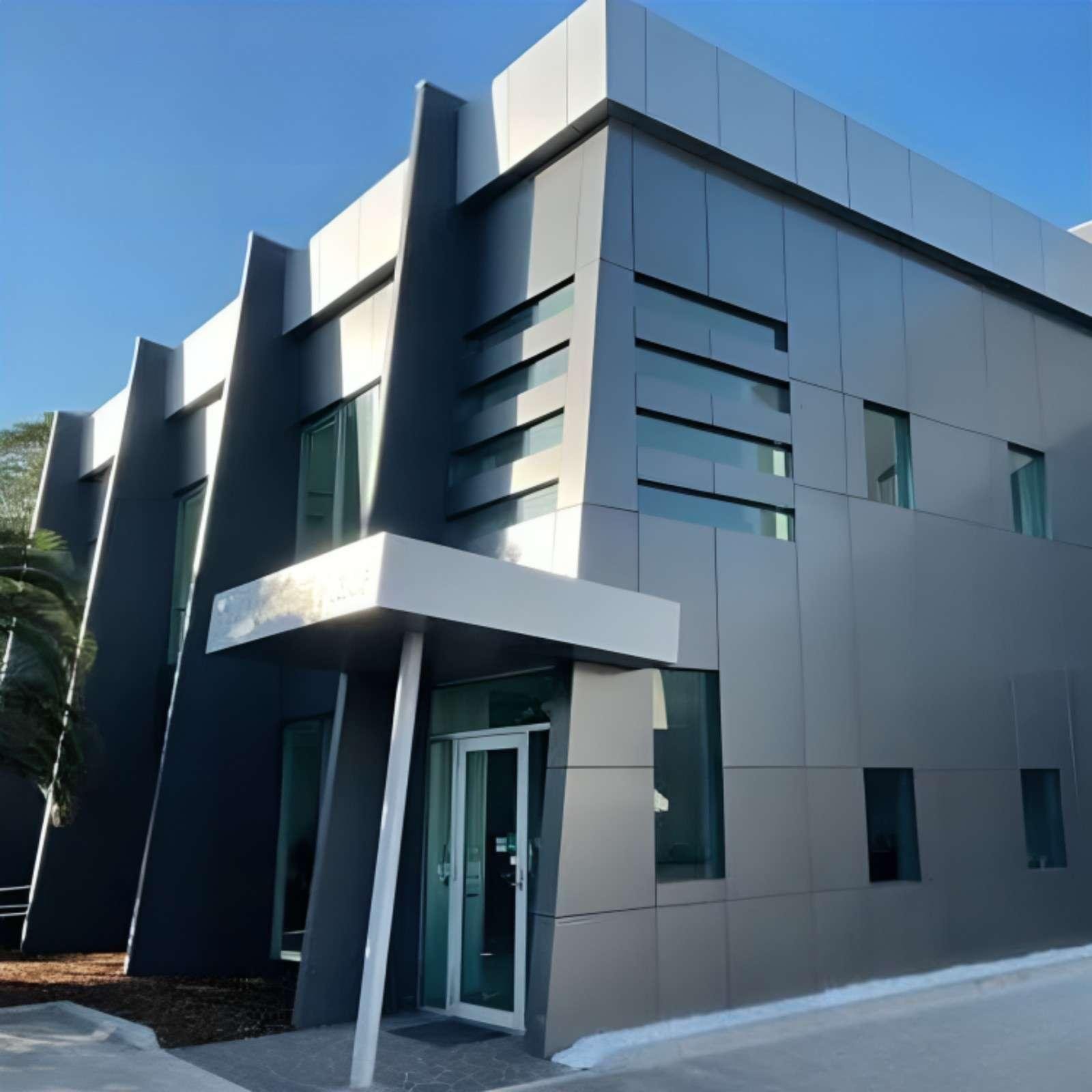
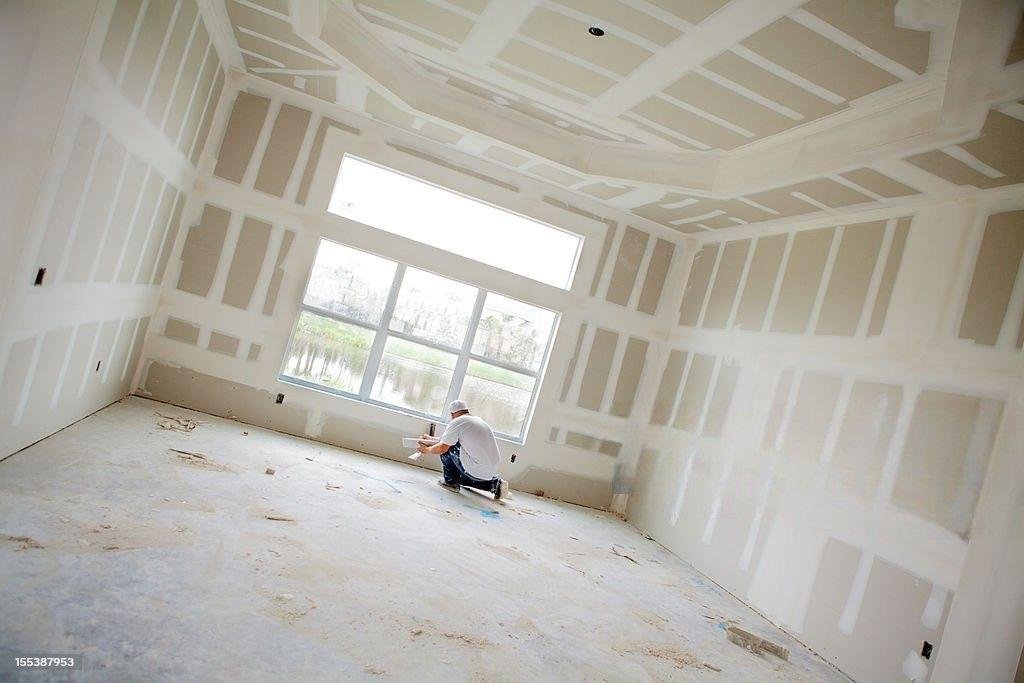


A security plan is a detailed operational document that translates the strategies of the designed plan into specific practical actions.
Prevent financial losses and avoid operational disruptions.
Reducing downtime after any fire incident
Ensuring the safety of people inside the facility
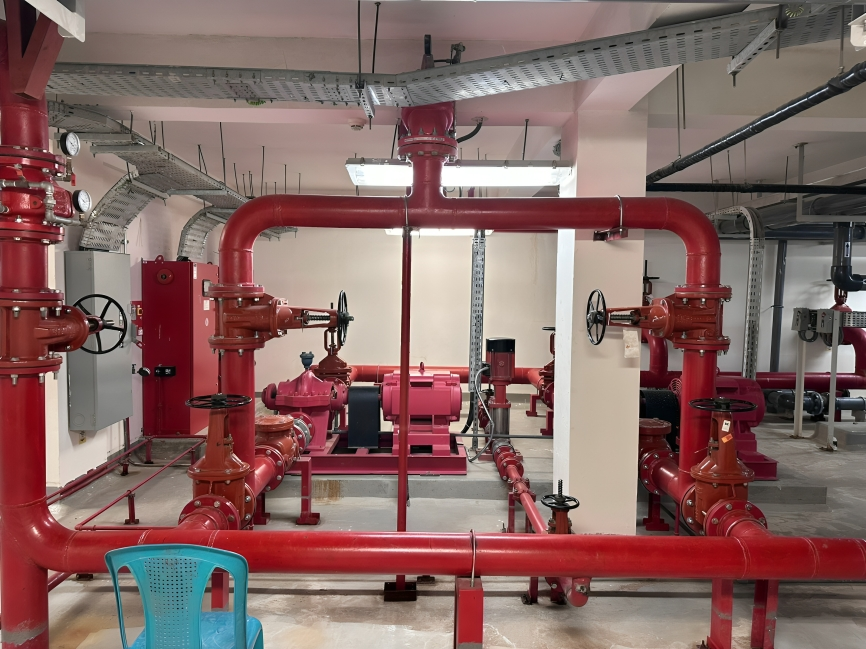
A security plan is a detailed operational document that translates the strategies of the designed plan into specific practical actions.
Prevent financial losses and avoid operational disruptions.
Reducing downtime after any fire incident
Ensuring the safety of people inside the facility
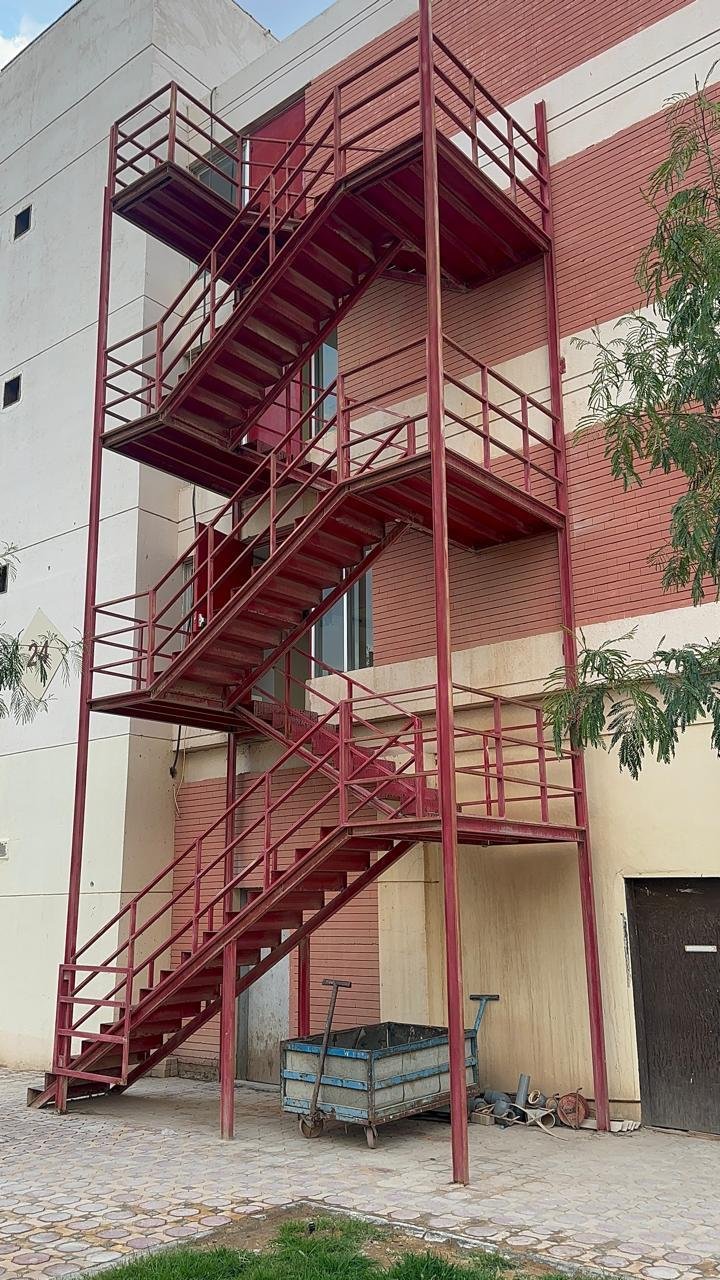
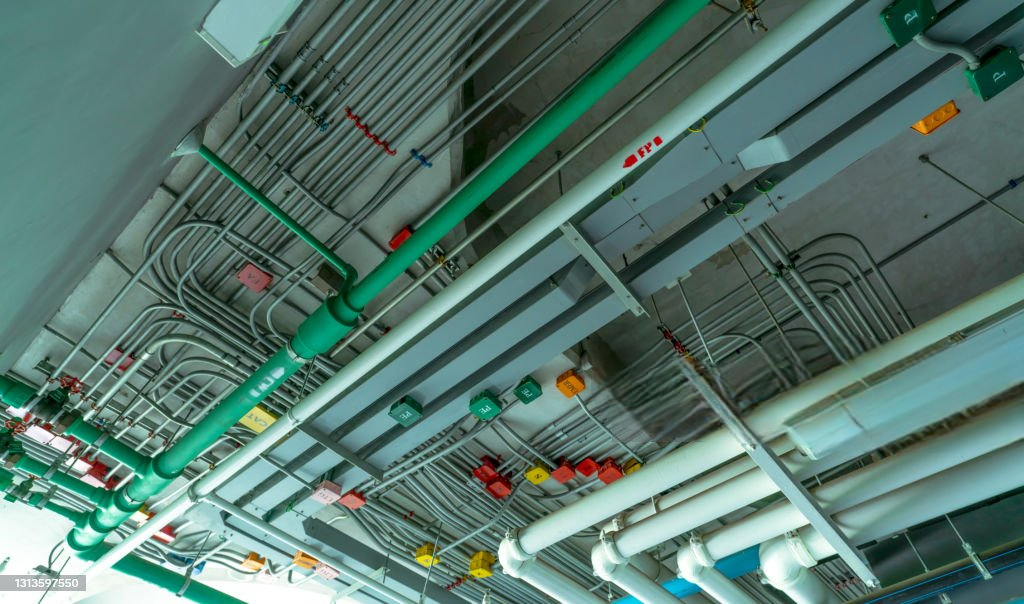
1. Risk Assessment: Identify potential fire sources, such as electrical equipment, welding work, and flammable materials. Risk Assessment: Based on the nature of the project (hospital, factory, mall, etc.). Weakness Analysis: In the engineering design or materials used. 2. Integrated Engineering Design for Alarm and Fire Extinguishing Systems: Automatic fire alarm system: Smoke, heat, and flame detectors. Central control panels. Audible and visual bells and alarms. Automatic extinguishing system: Sprinkler systems. Gas systems (FM200, CO2) for server rooms and sensitive equipment. Fire hoses and manual extinguishers. 3. Evacuation and Rescue Systems: Design safe evacuation routes: Clear, short, and permanently lit. Exit and guidance signs: Fluorescent signs with backup power. Emergency lighting systems: Operate automatically in the event of a power outage. 4. Ventilation and Smoke Management Systems: Emergency ventilation devices to expel smoke from escape routes. Smoke barrier doors to prevent its spread. 5. Monitoring and Control Systems: Linking fire systems to the central monitoring system. Remote control capability for some advanced systems.
Designing and approving a comprehensive fire safety plan is not merely an administrative procedure. It is an integrated process that begins with precise engineering design and ends with creating a culture of prevention within the facility. The approved plan is the true guarantee for transforming the built environment from an ordinary place into a safe space that protects our most important asset: human lives.