


Exit 15, Eastern Ring Road, Prince Saad bin Abdulrahman Road, Plaza Complex, Second Floor, Office 8
0543804776
info@activeguard.site


by activeGuard Key Highlights in Designing and Approving Safety Plans
Critical Importance: Safety plans are essential for protecting lives and property, ensuring a safe and healthy work environment, and reducing potential risks and accidents in various facilities.
Legal Compliance: Obtaining approved safety plans is a fundamental requirement for securing building permits and Civil Defense licenses. They ensure compliance with the Saudi Building Code and local and international standards, shielding the facility from legal liability.
Comprehensive Elements: Safety plans include early warning systems, fire suppression (automatic and manual), emergency exits and evacuation routes, ventilation and smoke extraction systems, and identification of safe assembly points. They must be designed by accredited engineering offices.
In a world increasingly focused on safety and security, safety plans have become an indispensable foundation for any facility, whether residential, commercial, or industrial. The importance of these plans extends beyond merely providing protection for lives and property to include compliance with legal requirements and local and international regulations, such as the Saudi Building Code and Civil Defense requirements. Designing and approving safety plans represents a real investment in operational stability and the safety of everyone within the facility.
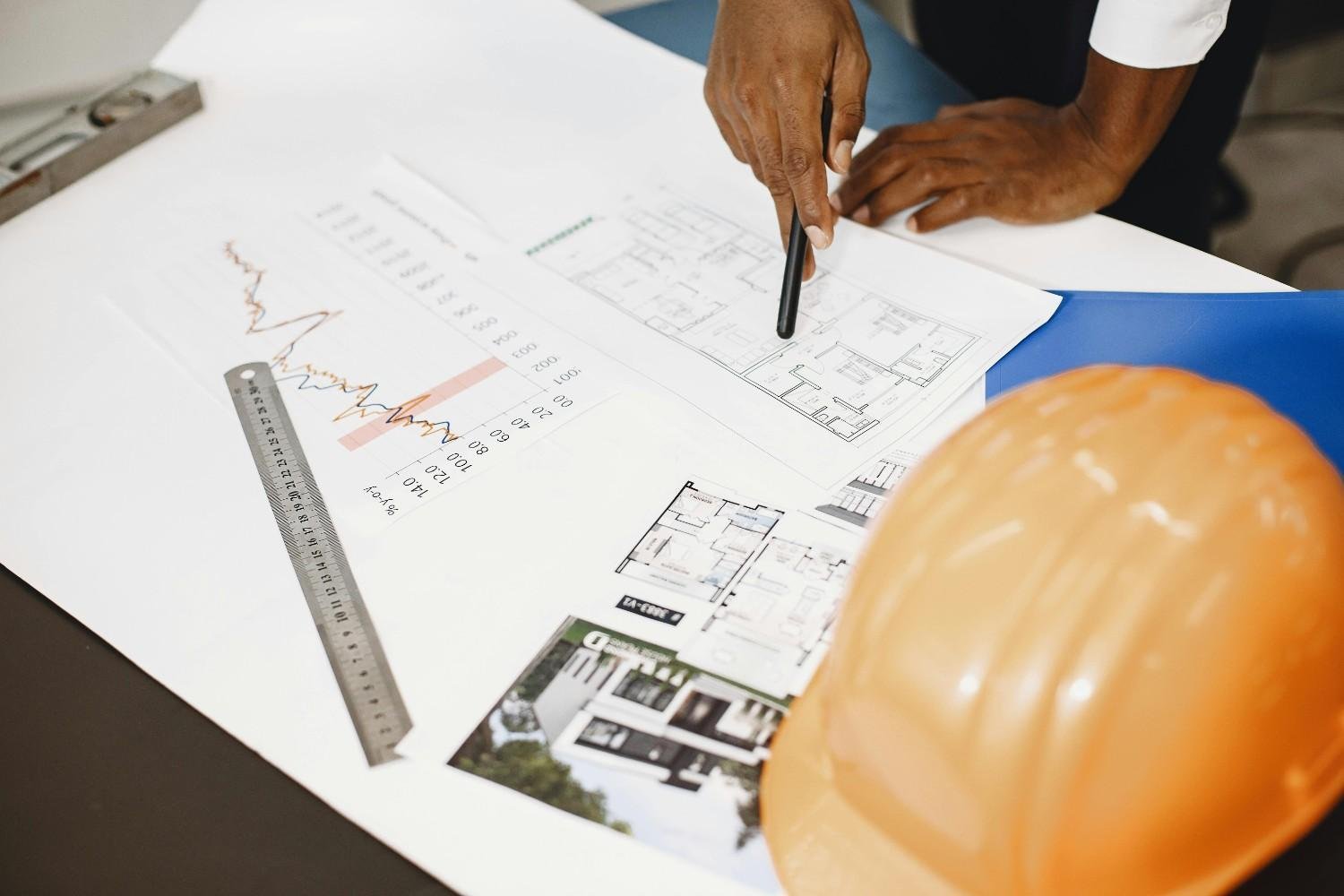
A safety plan is an engineering drawing or comprehensive framework that illustrates the distribution of fire protection systems and other safety systems within a facility, outlining the necessary measures and procedures to reduce risks and avoid accidents. This plan is somewhat similar to architectural building plans but focuses specifically on safety aspects and emergency preparedness.
Why are Safety Plans Essential?
The paramount importance of safety plans lies in several key aspects:
Protection of Lives and Property: The ultimate goal is to provide a safe environment for individuals within the facility and protect assets from damage during emergencies such as fires.
Legal Compliance: Approved safety plans are a fundamental requirement for obtaining building permits and Civil Defense licenses. They ensure facilities' compliance with local and international standards and regulations, protecting them from legal liability.
Risk and Accident Reduction: Through prior planning and identification of potential risks, plans help reduce the likelihood of accidents and minimize resulting damage.
Rapid Emergency Response: Plans clarify evacuation routes, assembly points, and safety equipment locations, facilitating an effective and swift response during emergencies.
Promoting a Safety Culture: The existence of clear safety plans and staff training on them helps enhance safety awareness and proper risk management.
An approved safety plan consists of a set of interconnected systems and elements that work together to ensure the highest levels of safety. These components are determined and designed based on the type of activity, nature of the facility, and potential risks.
Fire Protection Systems
Fire Suppression Systems:
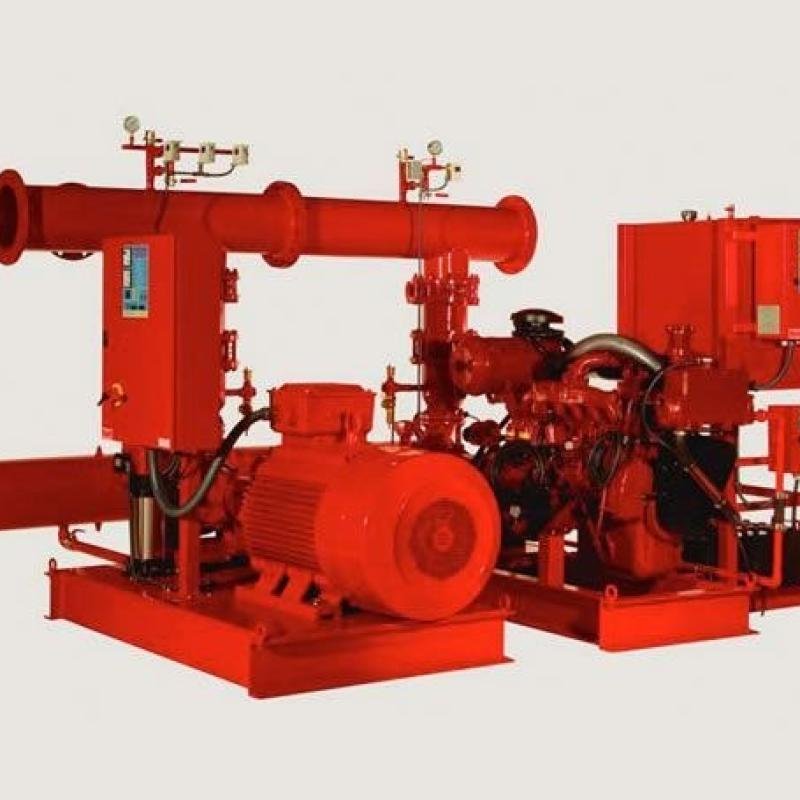
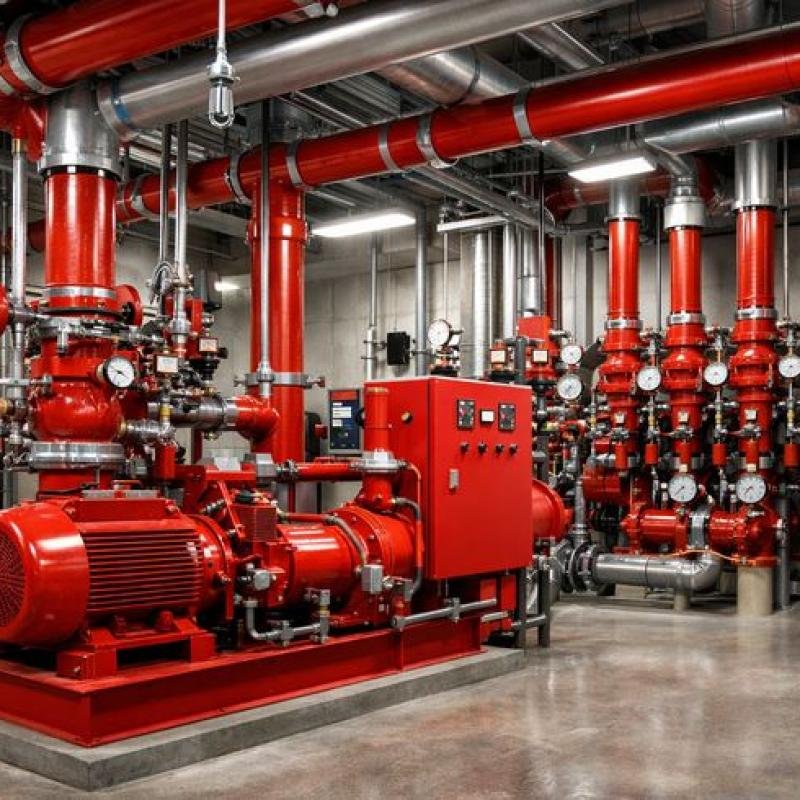
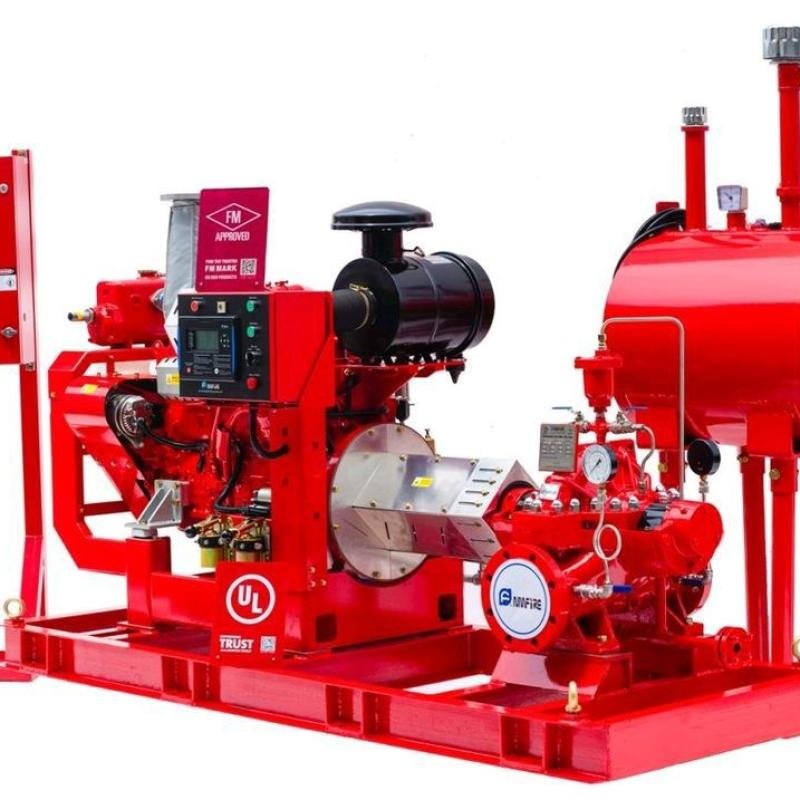
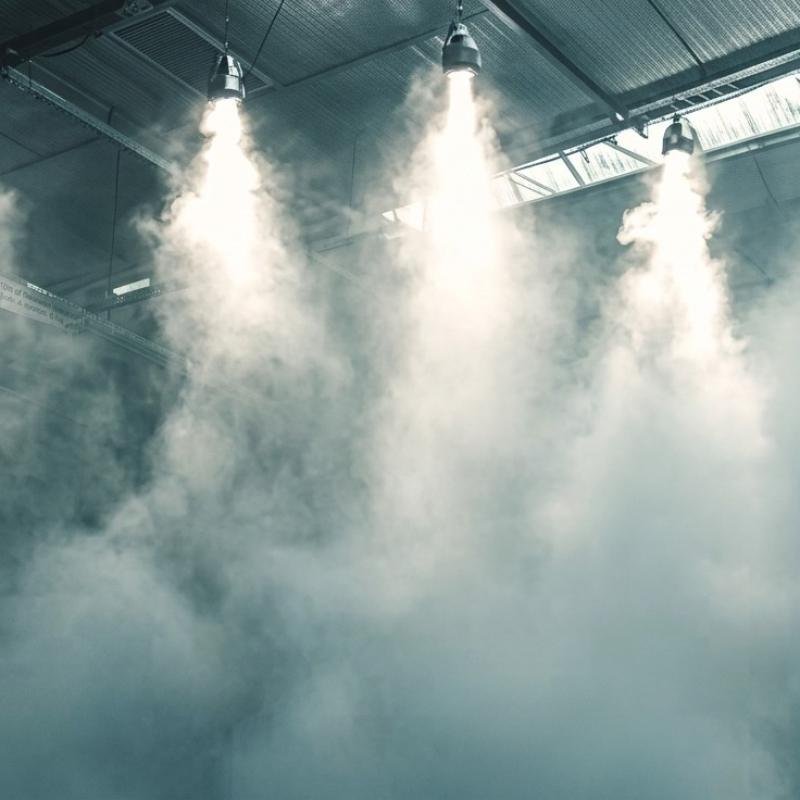
Automatic Fire Suppression Systems (Sprinklers): Activate automatically upon sensing fire to extinguish it in its early stages.
Manual Fire Suppression Systems (Fire Hose Reels): Provide water hoses for manual firefighting by trained individuals.
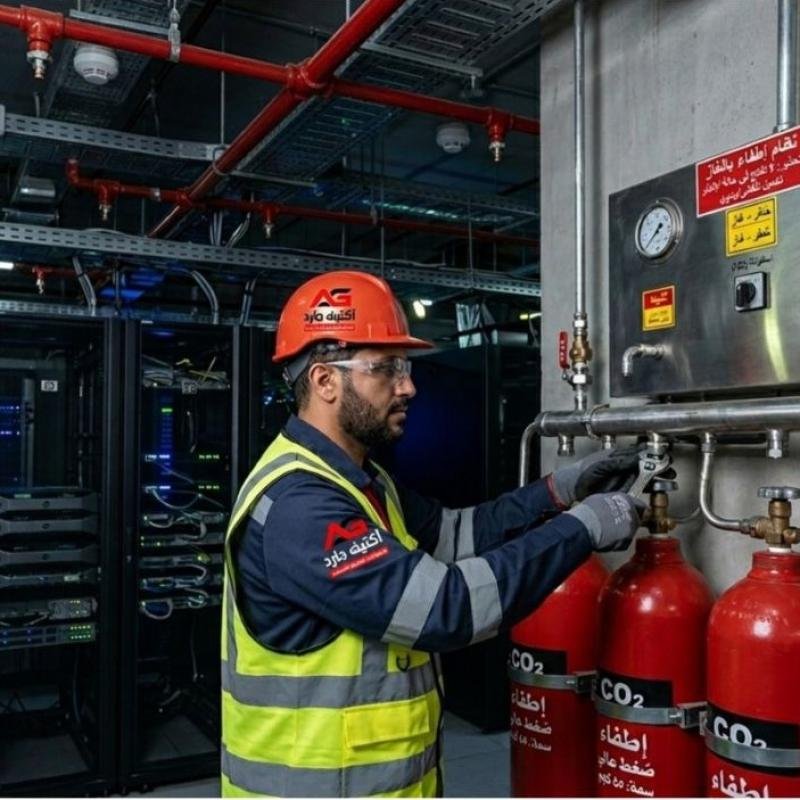
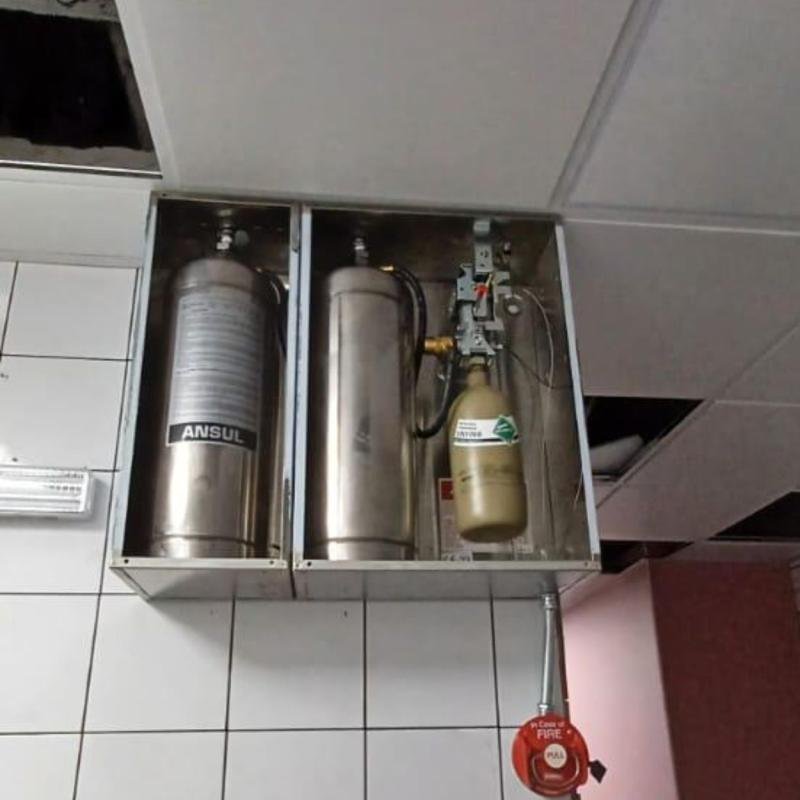
Gas-Based Fire Suppression Systems: Used in areas where sensitive equipment could be damaged by water, such as server rooms.
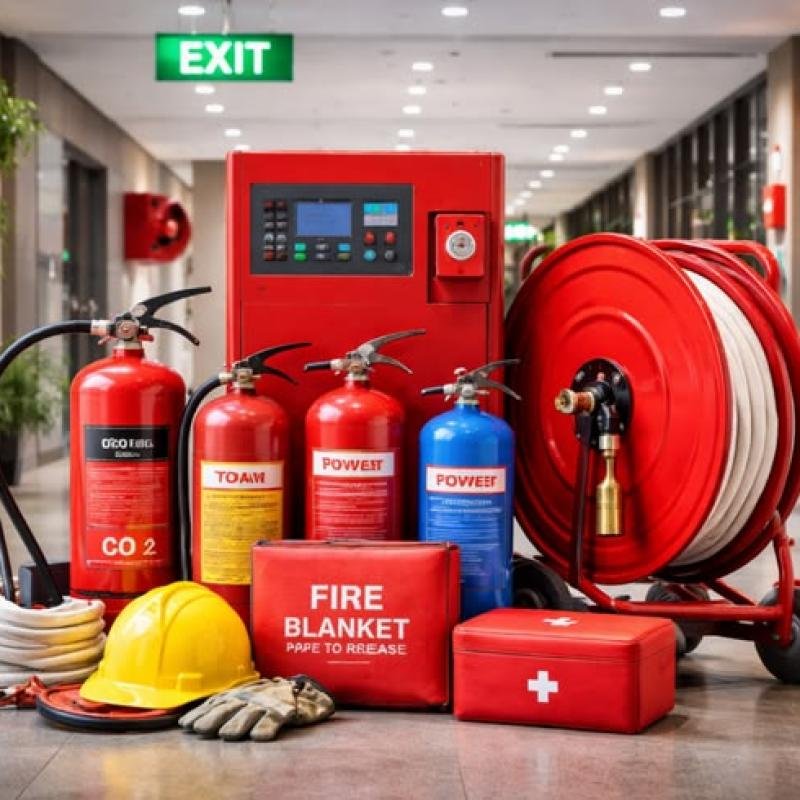
Fire Extinguishers: Distributed in strategic, easily accessible locations to handle small fires.
Early Warning Systems:
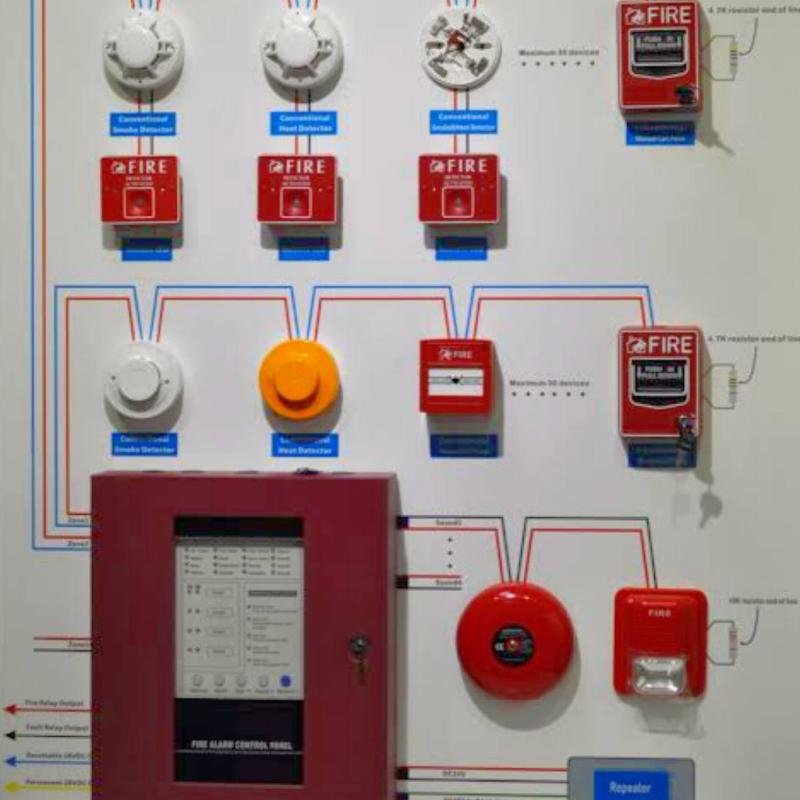
Addressable and Non-Addressable Fire Alarm Systems: Detect smoke and heat, trigger audible and visual alarms, with precise fire location identification in addressable systems.
Integration of Alarm System with Elevators: Ensures elevators stop at the nearest safe floor and open their doors upon alarm activation.
Emergency Exits and Evacuation Routes
Emergency exits must be clear, safe, and clearly marked on the plan, with specified evacuation routes to be followed to reach safe assembly points away from danger areas. This includes:
Multiple exits to ensure alternatives if one exit is blocked.
Emergency lighting to ensure clear visibility of evacuation paths even during power outages.
Directional signage to guide individuals toward exits and assembly points.
Ventilation and Smoke Extraction Systems
These systems are vital, especially in large facilities and parking garages, and include:
Fresh air intake fans to provide clean air in evacuation routes.
Smoke extraction fans to remove smoke and toxic gases from the building, improving visibility and reducing the risk of suffocation.
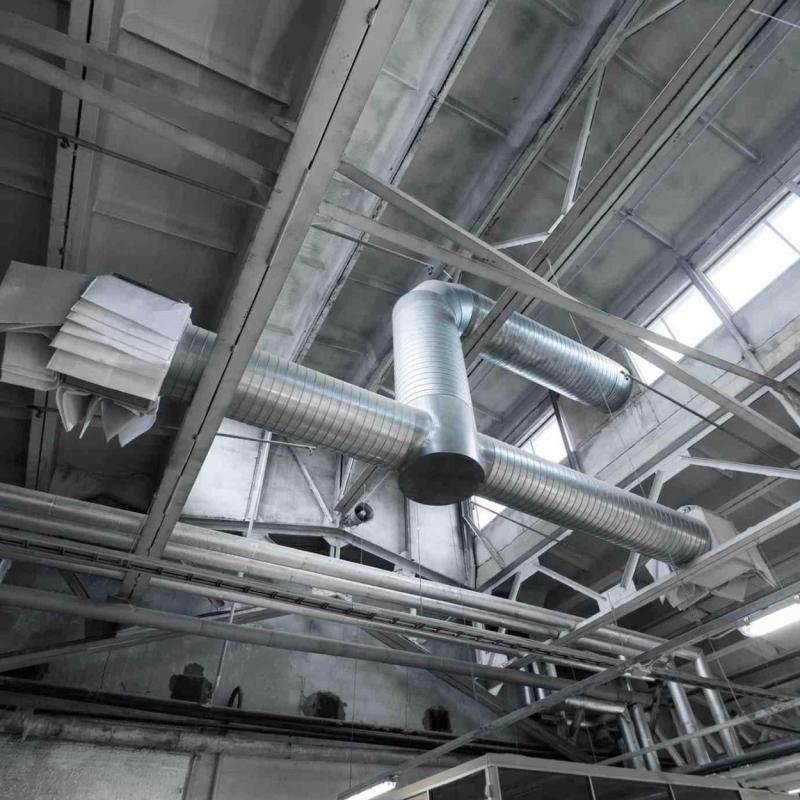
Air ducts to direct smoke away from areas where people gather.
Positive pressurization of stairwells and emergency areas to keep these zones smoke-free.
Safety-Specific Architectural Plans
These plans include details such as fire resistance of building materials, identification of hazardous zones (e.g., chemical storage areas), and design of separate evacuation routes for hazardous materials and personnel in industrial facilities.
Grounding (Earthing) Plans
Ensure the safety of electrical systems and protect individuals from electric shocks.
The process of designing and approving safety plans requires several important steps to ensure compliance with standards and achieve the highest levels of safety.
Design Steps
Identifying Potential Risks: The site is visited, and precise measurements are taken to determine the type of activity and potential risks (fires, hazardous materials, human density, etc.).
Determining Safety Needs: Based on the identified risks, the appropriate systems are determined (alarm, suppression, evacuation, ventilation).
Engineering Design: An accredited engineering office prepares detailed plans for distributing safety systems, emergency exits, and evacuation routes according to the Saudi Building Code and international standards.
Preparing Required Documents: All necessary documents are prepared, such as site plans, building permits, and technical safety reports.