Safety Systems in Riyadh: A Comprehensive Guide for Protection and Prevention with a Focus on "Act Guard"
Amidst the rapid urban development and population growth in the capital city of Riyadh, the importance of safety systems as a fundamental element to ensure the protection of individuals and property is increasing. Investing in integrated safety systems is not merely compliance with regulatory requirements but an absolute necessity for creating a safe and sustainable environment. Accredited safety system companies play a pivotal role in providing this protection, and among these prominent companies, "Act Guard" stands out as a trusted partner in this field.
Why are Safety Systems Essential in Riyadh?
Major cities like Riyadh face unique safety challenges, including:
High Population Density: Increases the likelihood of large-scale incidents.
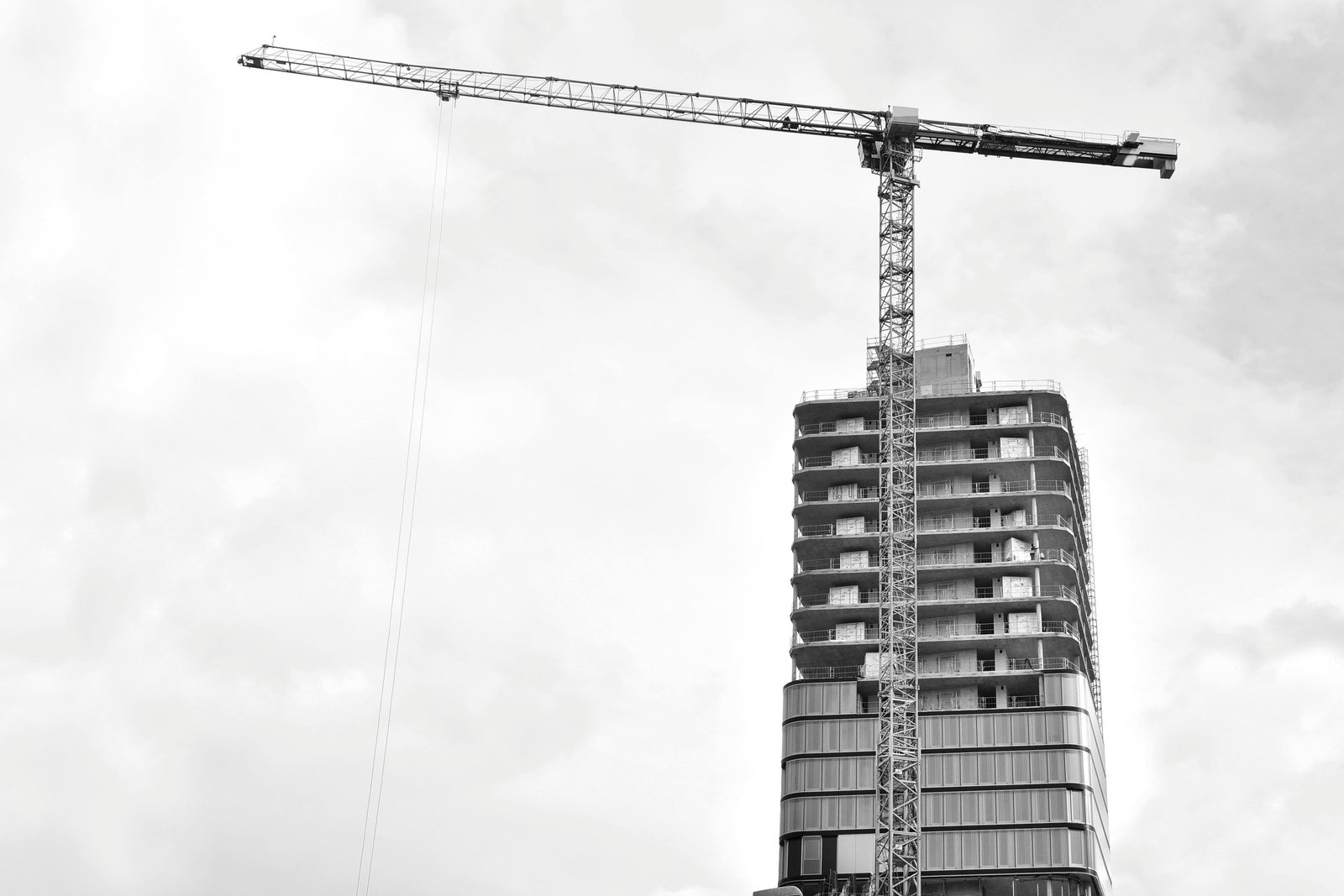
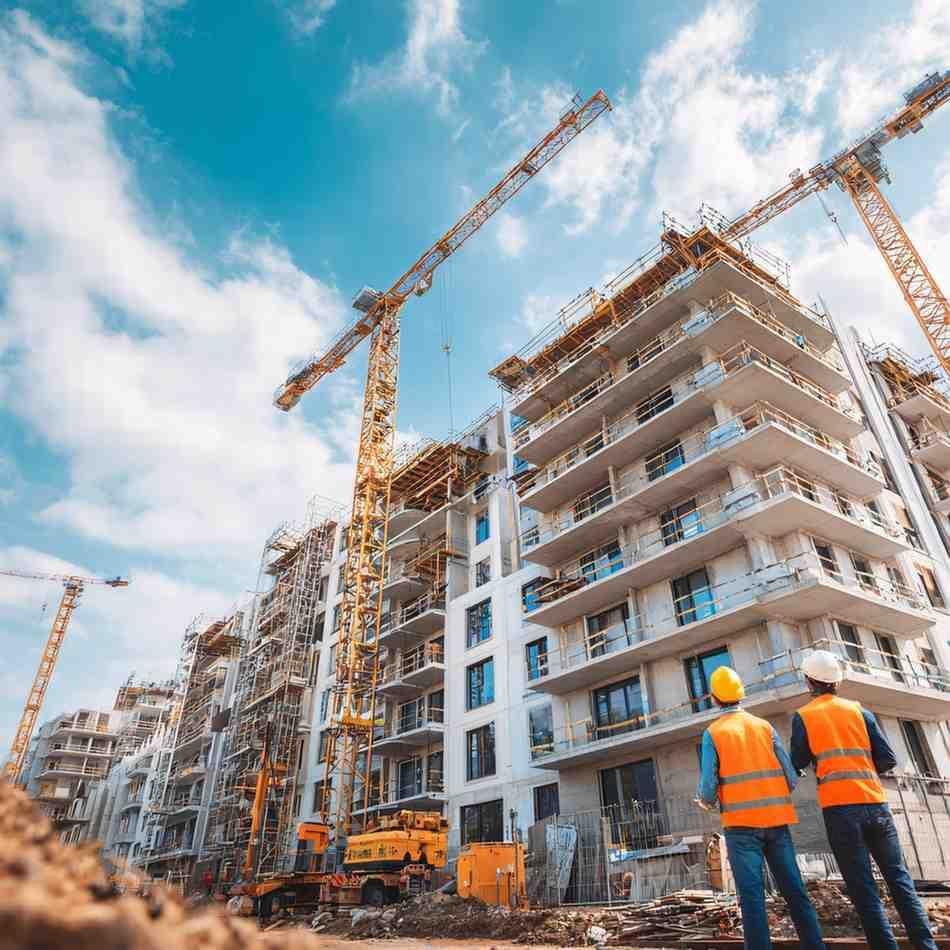
Urban Development: With the construction of more skyscrapers and large commercial centers, the need for advanced fire detection and control systems grows.
Operational Environment: Industrial and commercial facilities, in particular, require safety systems specifically designed to address their specific risks.
Regulatory Requirements: Government authorities, led by the Saudi Civil Defense, impose strict standards to ensure the safety of buildings and facilities.
Core Components of Modern Safety Systems
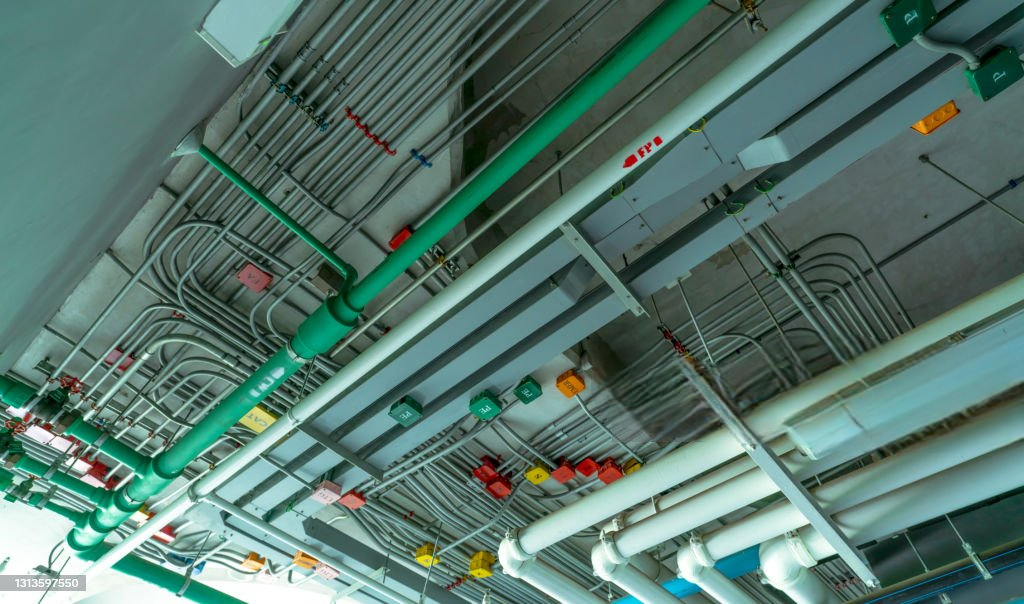
Comprehensive safety systems consist of several interconnected elements working together to provide maximum protection. These key components include:
1. Fire Safety
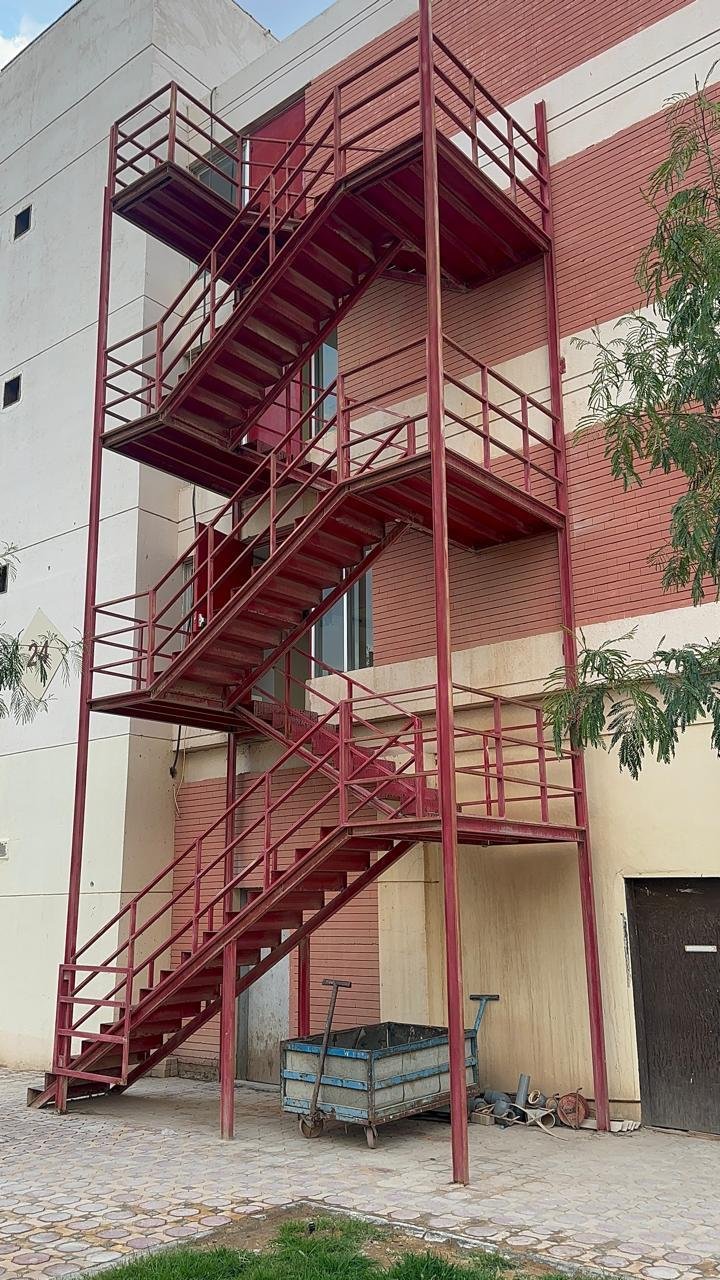
Fire safety is the cornerstone of any safety system. This involves designing and implementing strategies and procedures aimed at preventing fire outbreaks, limiting their spread, and ensuring the safe evacuation of a building in the event of a fire. This includes compliance with international and local standards, such as those set by the Saudi Civil Defense.
2. Fire Alarm Systems
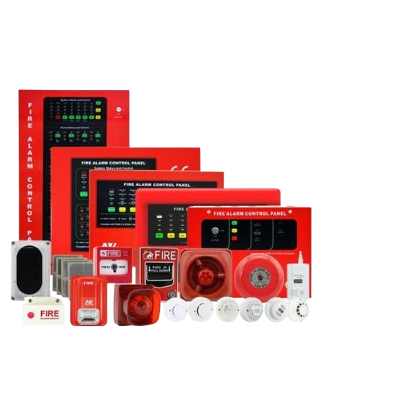
Fire alarm systems are the eyes and ears of the safety setup, providing early detection of fire signs such as smoke, heat, or flame. Modern systems rely on advanced technologies like smart sensors and addressable systems that pinpoint the exact fire location, enabling a swift and effective response.
Components: Smoke & heat detectors, Audible & Visual alarms (Sirens & Strobes), Central Control Panels, Manual Call Points.
3. Fire Suppression Systems
Fire suppression systems aim to extinguish fires in their infancy before they escalate. These systems vary based on the type of hazard and building.
Types: Automatic Sprinkler Systems, Clean Agent Systems (e.g., FM-200, NOVEC 1230), Foam Systems, Hose Reel Systems.
4. Fire Extinguishers
Fire extinguishers are the primary and essential first line of defense against small fires. They are available in various sizes and types, each designed for a specific fire class.
Water (Class A): For ordinary combustibles (wood, paper, fabric).
Foam (Class A & B): For flammable liquids.
Dry Chemical Powder (Class A, B, C, E): Versatile for solids, liquids, gases, and electrical fires.
Carbon Dioxide (CO2) (Class B & E): Safe for electrical equipment.
Wet Chemical (Class K): Specifically designed for kitchen fires involving cooking oils and fats.
5. Fire Prevention
Fire prevention focuses on preventing incidents in the first place. This strategy involves:
Regular inspections of equipment and facilities.
Training and awareness for building occupants.
Preventive maintenance to ensure all safety systems are operational.
Risk assessment to identify and mitigate potential hazards.
Designing approved safety plans compliant with Civil Defense standards.
"Act Guard": Your Trusted Partner for Safety Systems in Riyadh
"Act Guard" is a leading company in the field of safety systems in Riyadh, offering a comprehensive suite of solutions and services to ensure maximum protection for facilities. The company is committed to the highest global and local standards and boasts a specialized team of highly experienced engineers and technicians.
Act Guard's services include:
Supply and installation of fire alarm systems using the latest technology.
Supply and installation of custom-designed fire suppression systems.
Comprehensive periodic maintenance for all safety systems.
Engineering safety consultations in line with Civil Defense requirements.
Issuance of safety compliance certificates.
Design and approval of safety plans in cooperation with relevant authorities.
Frequently Asked Questions about Safety Systems
Why is obtaining a safety certificate from Civil Defense important? It is essential for many government licenses and proves the facility's compliance with standards for protecting lives and property from fires and other risks.
How often should fire alarm systems be inspected and maintained? Regular inspections are recommended, typically outlined in maintenance contracts and Civil Defense standards, often annually or semi-annually depending on the system.
Can I buy fire extinguishers for home use? Yes, fire extinguishers designed for home use are available. It is recommended to choose the appropriate type based on potential home risks (e.g., CO2 or Dry Powder for areas with electrical equipment).
What is the difference between a conventional and an addressable fire alarm system? A conventional system indicates a problem in a general zone, while an addressable system precisely identifies the specific device that triggered the alarm, facilitating rapid location of the fire.
How can I choose a reliable safety systems company? Ensure the company is accredited by the Civil Defense, has sufficient market experience, offers warranties on its work, and employs a qualified technical team.
Conclusion
In Riyadh, safety systems represent a vital and indispensable investment. By understanding the components of these systems and collaborating with specialized companies like "Act Guard," institutions and individuals can ensure a safe environment protected from risks, especially those related to fires. Attention to fire safety, alarm systems, suppression, extinguishers, and prevention is a shared responsibility that contributes to building a safer community.




 by activeGuard