





القسم الأول: الإطار التنظيمي – المرجعيات الأساسية
تخضع أعمال أنظمة التهوية والشفط لمنظومة متكاملة من الأكواد واللوائح السعودية:
الكود السعودي للتهوية الميكانيكية (SBC 601): يهدف هذا الكود إلى وضع الحد الأدنى من متطلبات كفاءة الطاقة في تصميم المباني غير السكنية في المملكة. ويغطي الجوانب الميكانيكية مثل أنظمة التدفئة والتهوية وتكييف الهواء (HVAC) والسباكة، وهو إلزامي في جميع المباني غير السكنية.
الكود السعودي للوقاية من الحريق (SBC 801): يُعد المرجعية الأساسية لأنظمة السلامة، ويحدد متطلبات التهوية كجزء لا يتجزأ من استراتيجيات مكافحة الحريق، خاصة التحكم في الدخان.
نظام إدارة النفايات: يتضمن لوائح لتهوية المناطق التي يتم فيها تخزين أو معالجة النفايات.
القسم الثاني: اشتراطات الدفاع المدني والسلامة
تولي المديرية العامة للدفاع المدني اهتمامًا كبيرًا بأنظمة التهوية كعنصر حيوي في استراتيجيات السلامة:
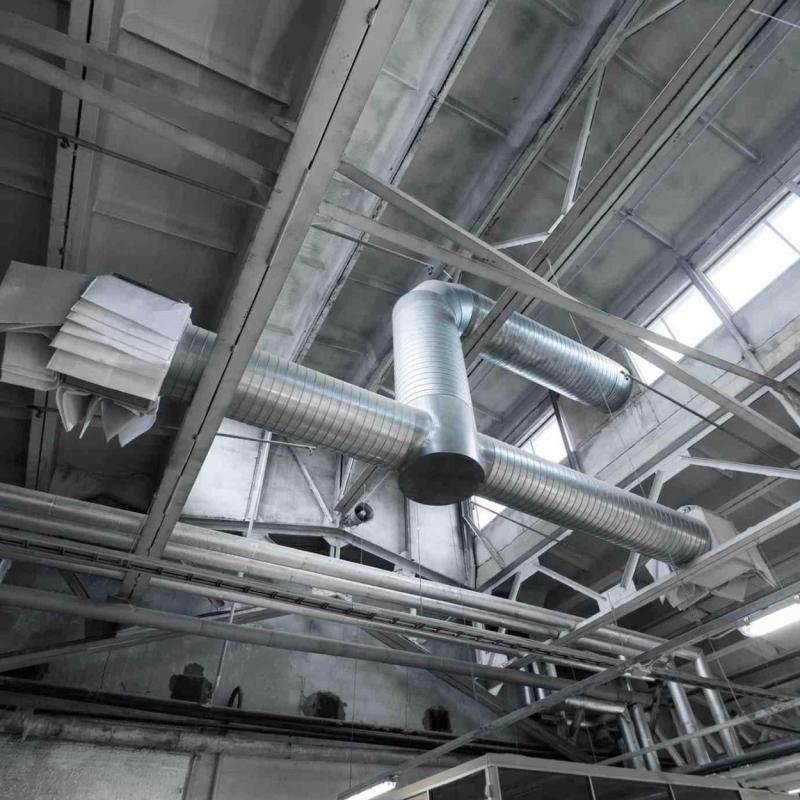
التهوية الإجبارية للمواقف المغلقة: يجب تجهيز جميع المواقف المغلقة بنظام تهوية ميكانيكية يعتمد على مراوح لتغذية وطرد الهواء، لتحقيق الحد الأدنى لمعدلات التهوية والحد من تراكم الغازات السامة. وقد أصدر الدفاع المدني "دليل تصميم مواقف السيارات" كمرجع أساسي.
تهوية المطابخ التجارية: تشترط اللوائح توفير أنظمة شفط قوية للأبخرة والدهون، مع تركيب مرشحات تنقية الهواء. يجب أن تكون مجاري الغازات والمداخن مصنوعة من مواد غير قابلة للاحتراق.
تهوية طرق الهروب: يجب توفير تهوية طبيعية أو ميكانيكية كافية في طرق النجاة (سلالم الهروب، الممرات)، لضمان بقائها صالحة للاستخدام وآمنة أثناء الحريق.
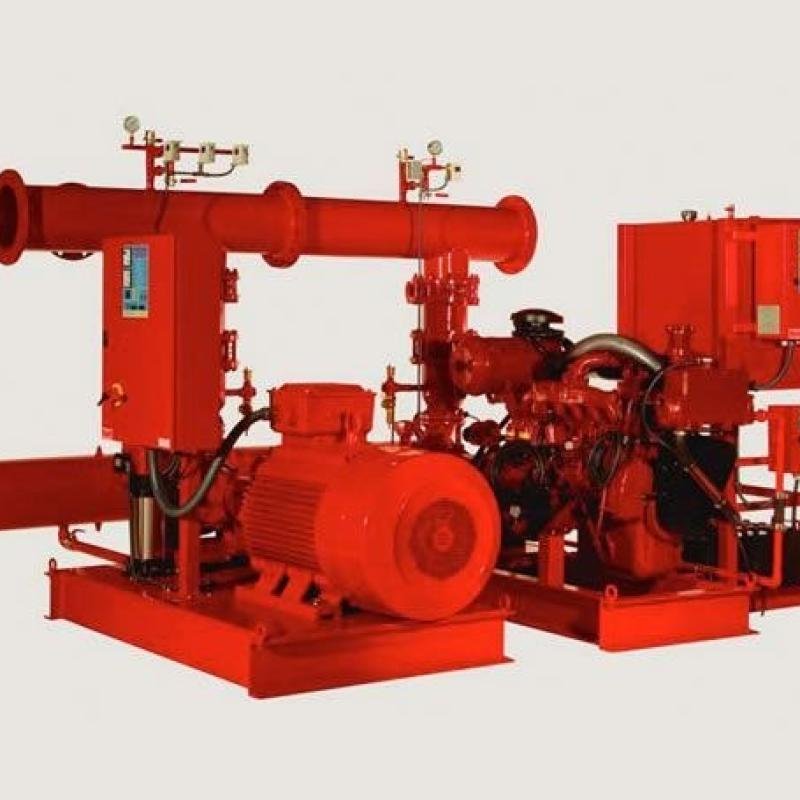
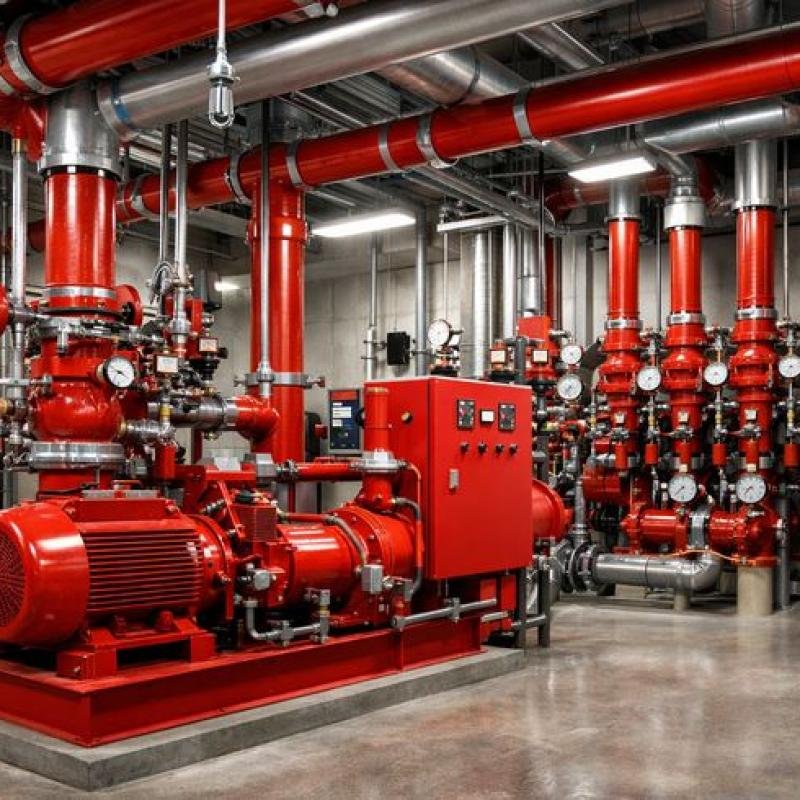
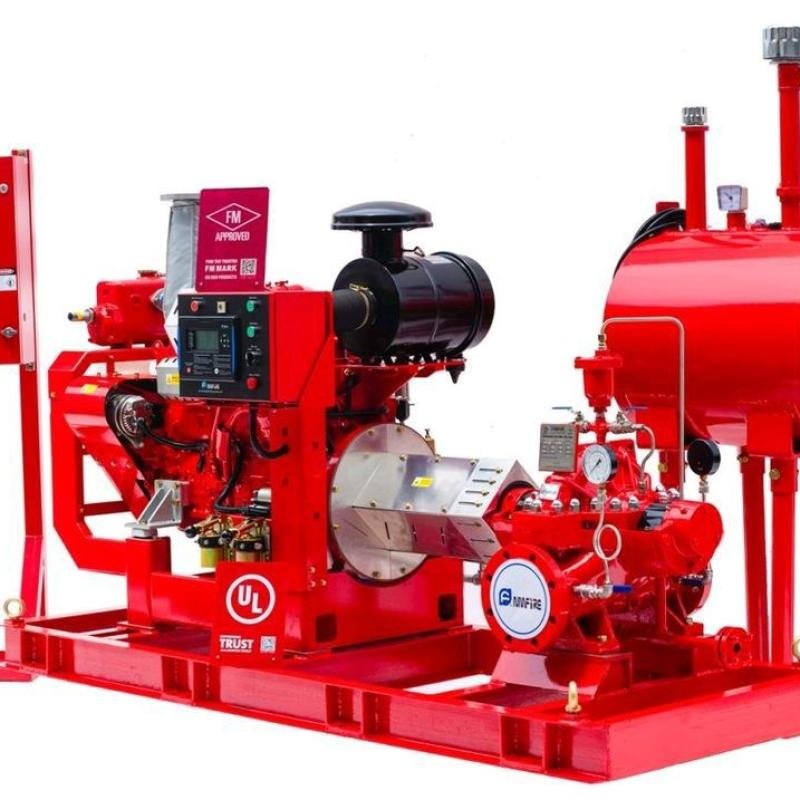
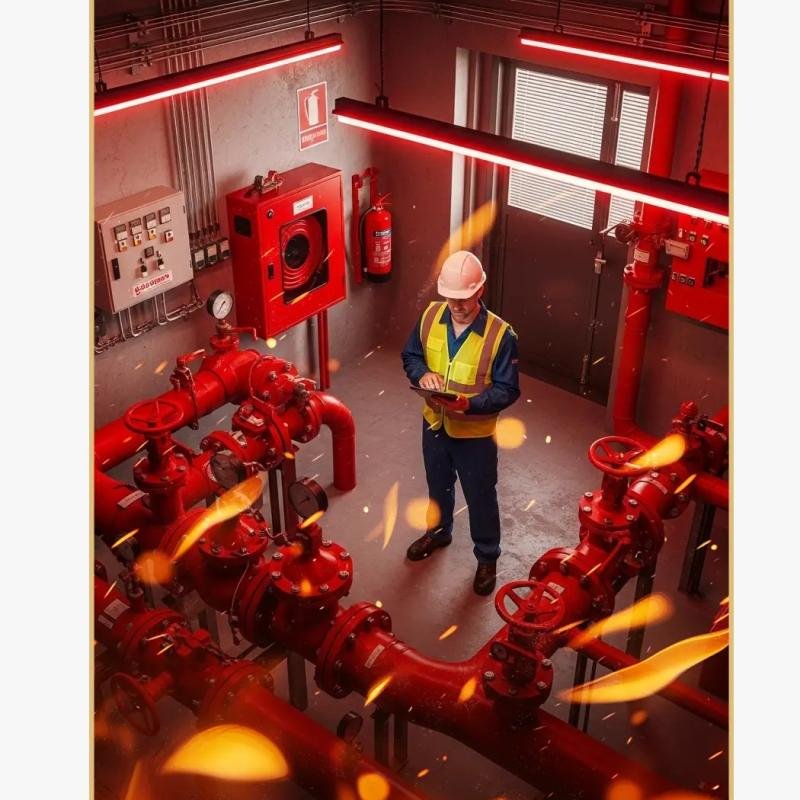
تهوية الغرف الفنية: مثل غرف مضخات الحريق، لضمان ظروف تشغيل مناسبة للمعدات ومنع ارتفاع درجة حرارتها.
القسم الثالث: المعايير الدولية المعتمدة (NFPA, CIBSE)
تعتمد السعودية معايير دولية صارمة لضمان كفاءة وسلامة أنظمة التهوية:
NFPA 96 (أنظمة الشفط للمطابخ التجارية): يعتبر المعيار العالمي للتحكم في التهوية والحماية من الحرائق لعمليات الطهي التجارية، ويُستخدم في السعودية كمرجعية أساسية. ويشمل متطلبات تصميم وتركيب وتشغيل وصيانة أنظمة شفط المطابخ.
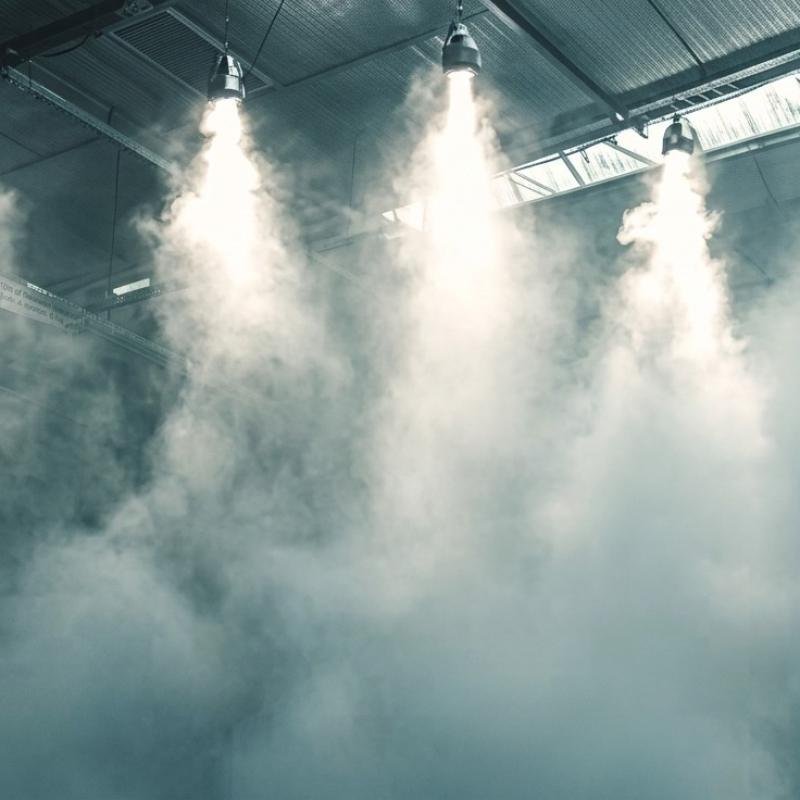
NFPA 92 (أنظمة التحكم في الدخان): يوفر هذا المعيار متطلبات أنظمة التحكم في الدخان للمباني، ويُستخدم في السعودية كمرجعية لتصميم أنظمة سحب الدخان، وضغط السلالم، وغيرها من استراتيجيات إدارة الدخان.
CIBSE (دليل التصميم للمملكة العربية السعودية): يهدف هذا الدليل إلى وضع الحد الأدنى من معايير التصميم لأنظمة التدفئة والتهوية وتكييف الهواء (HVAC) في المملكة، ويقدم مرجعية قيمة للمهندسين.
القسم الرابع: مواصفات الهيئة السعودية للمواصفات والمقاييس والجودة (SASO)
تضمن الهيئة أن جميع المنتجات والمواد المستخدمة في أنظمة التهوية مطابقة لأعلى معايير الجودة والأداء:
كفاءة الطاقة (MEPS): أصدرت SASO لائحة تحدد الحد الأدنى من معايير أداء الطاقة (MEPS) ومتطلبات الاختبار لأنظمة التهوية وتكييف الهواء (HVAC).
المواصفات القياسية: لدى SASO مواصفات قياسية شاملة لأنظمة التهوية الميكانيكية، مثل SASO 772 لممارسة البناء للتهوية الميكانيكية وتكييف الهواء، و SASO 2681 لأجهزة تكييف الهواء غير المجاري.
القسم الخامس: الجهات الرقابية والمرجعيات المعتمدة
تتعدد الجهات الحكومية المسؤولة عن الإشراف والرقابة على أنظمة التهوية والشفط في المملكة:
| الجهة | الاختصاصات الرئيسية |
|---|---|
| المركز السعودي لكود البناء (SBC) | وضع وتحديث كود البناء السعودي، بما في ذلك الكود الميكانيكي (SBC 601) وكود الطاقة. |
| المديرية العامة للدفاع المدني | الإشراف على اشتراطات السلامة والوقاية من الحريق، وإصدار التراخيص اللازمة للمنشآت. |
| الهيئة السعودية للمواصفات والمقاييس والجودة (SASO) | إصدار المواصفات القياسية للمنتجات، والإشراف على نظام SABER. |
| وزارة الشؤون البلدية والقروية والإسكان (MOMRAH) | الإشراف العام على التراخيص البلدية والإنشائية، وإصدار اللوائح. |
| الهيئة السعودية للمهندسين (SEA) | ترخيص المكاتب الهندسية والمهندسين العاملين في مجال التصميم والتنفيذ. |
| المركز الوطني لإدارة النفايات (MWAN) | الإشراف على أنظمة التهوية في مرافق إدارة النفايات. |
🔗 المراجع الرسمية:
القسم السادس: مراحل التنفيذ وأفضل الممارسات
لضمان الحصول على نظام تهوية فعال ومعتمد، يجب الالتزام بمنهجية عمل دقيقة:
التصميم والتخطيط: يتم دراسة احتياجات المبنى، وتحديد معدلات التهوية وفقًا للمعايير، وتحديد مواقع مراوح الشفط ومجاري الهواء، والتأكد من مطابقة التصاميم لجميع الأكواد.
التوريد وفحص الجودة: يتم توريد مواد ومعدات مطابقة للمواصفات، والحصول على شهادات الجودة من SASO، والتأكد من مناسبتها للاستخدام.
التركيب والتنفيذ: يتم التركيب بواسطة فنيين مؤهلين، وتركيب مخمدات الحريق (Fire Dampers) في نقاط اختراق الجدران والأسقف المقاومة للحريق، والتأكد من إحكام العزل وعدم وجود تسريبات للهواء.
الاختبار والتشغيل والتسليم: يتم اختبار أداء النظام وقياس سرعات الهواء، واختبار أنظمة التحكم في الدخان، وإعداد تقرير فني شامل يتضمن نتائج الاختبارات وخرائط "كما تم التنفيذ" (As-built Drawings).
الخاتمة: الاستثمار في الامتثال هو استثمار في السلامة
في الختام، تمثل أنظمة التهوية والشفط في المملكة العربية السعودية منظومة متكاملة من الأكواد واللوائح التي تهدف إلى تحقيق أعلى مستويات السلامة والصحة وكفاءة الطاقة. من خلال الالتزام بالكود الميكانيكي SBC 601، واشتراطات الدفاع المدني، والمعايير الدولية NFPA و CIBSE، ومواصفات SASO، يمكن لأي مشروع أن يضمن نظام تهوية فعالاً وموثوقًا.
الاستثمار في نظام تهوية متوافق مع الأنظمة ليس مجرد تكلفة إضافية، بل هو استثمار طويل الأمد في سلامة شاغلي المبنى، وفي صحتهم، وفي استدامة المبنى وقيمته على المدى الطويل، وفي تجنب الغرامات والمخالفات. ابدأ اليوم بالتعاقد مع مكتب هندسي معتمد، وتأكد من أن نظام التهوية الخاص بك هو الدرع الواقي الذي يحمي منزلك أو منشأتك من المخاطر الخفية في الهواء.