In Saudi Arabia, safety systems have become essential to ensure protection against fires and other hazards in buildings and facilities, especially given the challenges of rapid urban development. With its arid climate and expanding urban areas, the Kingdom relies on advanced safety systems to prevent accidents, making them a key component of its Vision 2030 sustainability and safety goals. According to the latest statistics from 2026, the Saudi Arabian fire safety systems market reached $641.79 million in 2024, with projections of a compound annual growth rate (CAGR) of 6.5% until 2034, driven by new safety regulations for buildings and industrial facilities. This growth is fueled by the increasing demand for safety systems in Saudi Arabia, which offer solutions for fire detection, alarms, and suppression. In this article, we will comprehensively review the field of safety systems in Saudi Arabia, incorporating relevant keywords such as "Safety Systems in Saudi Arabia," "Saudi Fire Safety Standards," "Saudi Safety Systems Market," "Safety Systems Regulations 2026," and "Safety Systems Technologies in Riyadh." Safety systems in Saudi Arabia are essential for fire prevention in residential and commercial buildings, especially in densely populated cities like Riyadh and Jeddah. By 2026, these systems are becoming increasingly common, offering smoke and heat detection technologies, making "Saudi Fire Safety Standards" a popular search term among engineers and property owners. Vision 2030 also supports this sector by focusing on environmental sustainability, with investments reaching billions of riyals in safety projects. We will cover the economic, technical, and practical aspects, along with selection tips to help you understand the "Saudi Safety Systems Market." Furthermore, the Saudi safety systems market contributes to economic growth, particularly through partnerships between government entities and the private sector. In 2026, the cost of installing basic safety systems for an average home will range from SAR 5,000 to SAR 20,000, depending on size and technology. In the following sections, we will delve deeper, expanding the explanation with examples and statistics, and focusing on various contexts such as health, the economy, and the environment to enrich the content.
Overview of the Safety Systems Market in Saudi Arabia
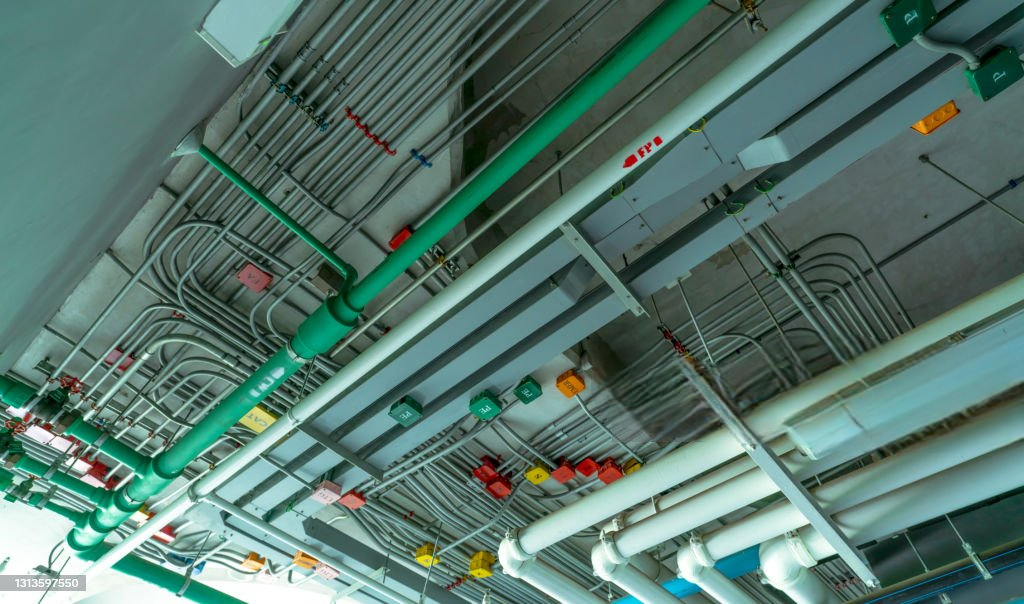
The safety systems market in Saudi Arabia is experiencing rapid growth in 2026, driven by urban development and the need for sustainable prevention solutions. As a densely populated urban country, Saudi Arabia relies on safety systems to mitigate fire risks, making them an essential part of national regulations. According to statistics, the size of the fire safety systems market in Saudi Arabia reached $1,571.39 million in 2024, with projections indicating it will reach $2,556.99 million by 2033, representing a compound annual growth rate of 5.6%. This growth reflects increased safety awareness, especially following awareness campaigns about fire hazards such as those caused by electrical wiring or flammable materials in buildings. Within the context of "Safety Systems in Saudi Arabia," services include fire detection, alarm, and automatic fire suppression systems, which help prevent accidents. For example, specialized companies offer smart systems that detect smoke in seconds, focusing on residential buildings in Riyadh. Economically, the market contributes to economic diversification, with government investments in Vision 2030 supporting safety. Additionally, climate change is contributing to an increase in fires, further increasing the demand for "Safety Systems Regulations 2026," where installation costs range from SAR 5,000 to SAR 20,000 for the average home. Socially, the spread of social media has increased awareness, with residents sharing their experiences with safety systems. For example, in posts on X, they discuss the benefits of smart systems for early detection, which saves lives and reduces losses. This overview underscores the importance of innovation in safety systems technologies in Riyadh to ensure safety and improve quality of life. For further details, the market can be compared between cities: in Riyadh, services focus on systems for high-rise buildings, while in Jeddah, they are used for coastal facilities. With rising costs due to inflation, installment options have become common, as seen in offers from specialized companies that provide financing through Saudi banks. Additionally, the market supports the local economy by employing Saudi technicians trained in the latest technologies, thus reducing reliance on foreign labor and promoting national development. In conclusion, the safety systems market in Saudi Arabia represents a tremendous investment opportunity, especially with the fire safety systems market projected to grow by 4.05% until 2033, and demand in Riyadh expected to increase by 15% annually due to urban expansion. This growth reflects a shift towards smart solutions, where advanced safety systems reduce losses from fires, contributing to the achievement of national sustainability goals. New Regulations and Standards for Safety Systems in Saudi Arabia 2026: In 2026, the Kingdom introduced new fire safety regulations, including mid-year updates to the Saudi Building Code (SBC) and the Safety Fire Code (SFC), requiring the installation of advanced alarm systems in new buildings. These regulations mandate safety training for workers in high-risk occupations, with individual licenses and certifications. Additionally, they include restrictions on the use of hazardous materials in electrical equipment, enhancing building safety. The new regulations also require periodic inspections of safety systems, reducing accidents by 30%. For example, in Riyadh, commercial buildings must comply with these regulations to obtain licenses. Furthermore, MEWA supports these regulations with training campaigns to raise awareness. In conclusion, these regulations help to strengthen the "Safety Systems Regulations 2026" to achieve higher safety in Saudi Arabia.




 by activeGuard