. Sprinkler Systems
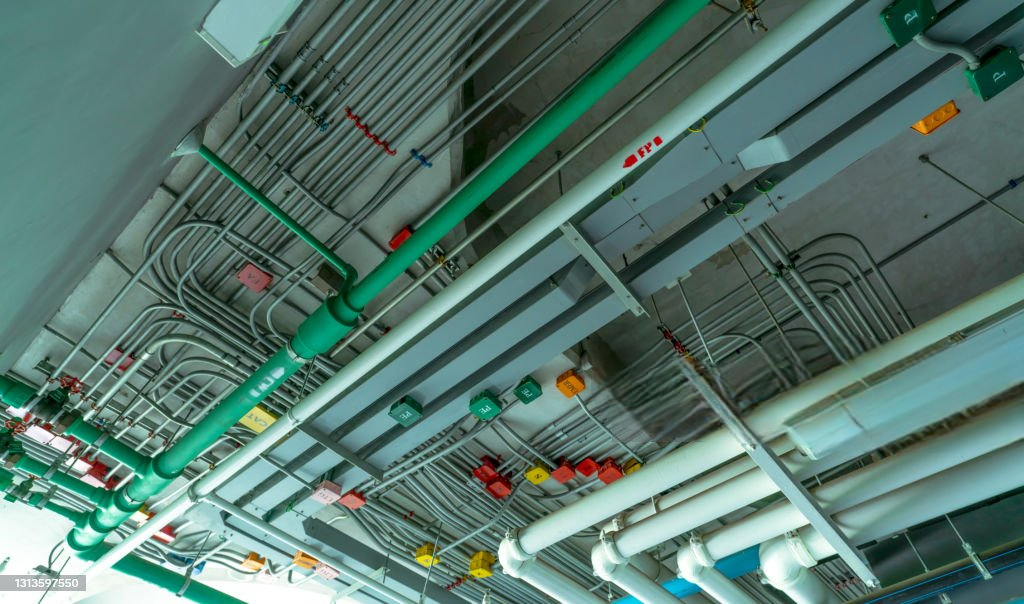
Principle: Automatic activation upon heat rise, releasing water through sprinklers connected to a pipe network.
Types:
Wet Pipe: Always filled with water (most common).
Dry Pipe: Uses compressed air, suitable for areas prone to freezing.
Deluge: All sprinklers open simultaneously, ideal for high-risk areas.
Pre-action: Requires dual verification (alarm + heat), ideal for museums and server rooms.
Applications: Warehouses, commercial centers, hospitals.
2. Clean Agent Gas Systems
Advantages: Rapid extinguishment without damaging electronic equipment, environmentally friendly.
Types:
FM-200: Effective in heat absorption, but may pose risks in confined spaces.
NOVEC 1230: An environmentally friendly alternative with a shorter atmospheric lifespan.
Applications: Data centers, control rooms, archives.
3. Carbon Dioxide (CO₂) System
How it Works: Suffocates the fire by reducing oxygen concentration.
Warnings: Dangerous to humans in confined spaces → requires strict evacuation procedures.
Applications: Electrical rooms, manufacturing laboratories.
4. Foam Systems
Unique Feature: Forms an insulating layer that prevents oxygen access and cools the surface.
Applications: Fuel stations, industrial kitchens, chemical plants.
Considerations: Choice of foam type (AFFF/AR-AFFF) depends on the burning material.
5. Fire Pumps
Function: Ensure adequate water pressure and flow through the network.
Requirements:
Backup power source (generators or diesel pumps).
Periodic pressure testing according to NFPA 20 standards.
Critical Design Insights
Initial Assessment: Analysis of risk type (electrical/liquid/solid fires) and space size.
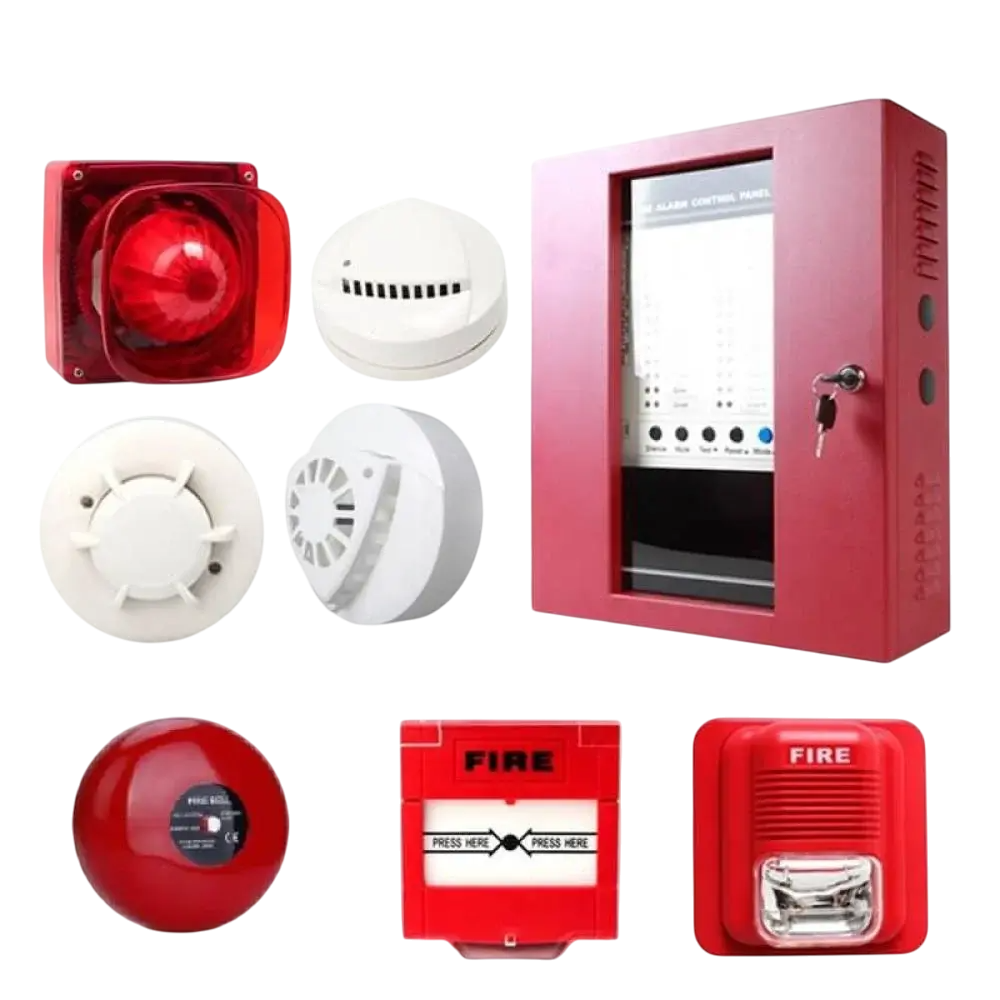
System Integration: Linking suppression systems with smoke detectors and audible/visual alarms.
Regulatory Compliance: Adherence to NFPA, ISO, and local regulations.
Proactive Maintenance:
Monthly pressure and supply inspections.
Annual full-performance testing.
Staff training on emergency procedures.
The Best Choice? System Integration!
There is no "one-size-fits-all" system. The optimal solution often lies in integrating systems, such as:
Sprinklers for public areas.
Clean agents for technical zones.
Foam for industrial areas.
...while ensuring component compatibility and the availability of backup pumps.
Statistics show that buildings equipped with sprinklers reduce fire-related fatalities by 87% (source: NFPA). This confirms that investing in these systems is not just an option, but an ethical and legal responsibility!










 by activeGuard