Key Highlights
Air conditioning works are an integrated system: They encompass the design, installation, maintenance, and repair of cooling, heating, and ventilation systems to ensure a comfortable and healthy environment.
System variety meets all needs: From split units for small spaces to central air conditioning for large buildings and advanced VRF/VRV systems for precise control, there is a solution for every application.
Periodic maintenance is the key to efficiency and longevity: Regular filter cleaning, inspection of key components, and checking for leaks ensure optimal performance and reduced energy consumption.
Air conditioning works are not merely about installing a device to cool or heat the air; they are a complex engineering system aimed at providing a comfortable and healthy indoor environment, whether in homes, offices, or large facilities. This work requires a deep understanding of system components, their different types, installation stages, and the importance of regular maintenance to preserve their efficiency and long-term performance.
The Essence of Air Conditioning Works: Design, Installation, and Maintenance
Air conditioning works include all services related to Heating, Ventilation, and Air Conditioning (HVAC) systems. This work begins with the meticulous design of a system suitable for the location's needs, proceeds through professional installation, and extends to preventive maintenance and prompt repair of malfunctions. The ultimate goal is to control temperature, humidity, and air quality to ensure the comfort and well-being of the building's occupants.
Core Components of a Central Air Conditioning System
Central systems, commonly used in large buildings, rely on a set of integrated components to operate efficiently:
Compressor: The heart of the system. It compresses the refrigerant gas to increase its temperature and pressure, facilitating heat exchange.
Condenser Coil: Here, the hot, high-pressure refrigerant gas is cooled, turning it into a liquid. This coil is often located in the outdoor unit.
Evaporator Coil: In this unit, the refrigerant absorbs heat from the indoor air, turning back into a cold, low-pressure gas, thereby cooling the surrounding air.
Fan: Responsible for drawing warm air over the evaporator coil and distributing the cooled air throughout the space.
Refrigerant Lines and Ducts: Refrigerant lines carry the refrigerant between indoor and outdoor units. Air ducts distribute cooled or heated air to various rooms and areas.
Filters: Essential for improving air quality by trapping dust, pollen, and other pollutants before air is distributed.
Diversity of Air Conditioning Systems: Solutions for Every Space and Need
Modern technology offers a wide range of air conditioning systems, each designed to suit specific applications and needs. Choosing the optimal system depends on factors like space size, nature of use, and available budget.
Main Types of Air Conditioning Systems
Central Air Conditioning (Chiller): Used for cooling large commercial buildings like hotels and hospitals. It relies on water-cooled or air-cooled chillers to produce chilled water, which is then used to cool air distributed through ducts. Known for high efficiency in vast spaces.
Split Units: Most common for homes and small-to-medium spaces. Consist of an indoor unit (evaporator) and an outdoor unit (compressor and condenser). Offer effective and relatively quiet cooling. Includes cassette units and concealed units integrated into ceilings or walls.
Window AC Units: Integrated units installed in a wall or window opening. Characterized by low cost and easy installation but often less efficient and noisier than other types.
Package Units: Combine all cooling and heating components into a single unit, often placed on rooftops or outside the building. Used in commercial and industrial applications requiring high cooling capacities.
VRF/VRV Systems (Variable Refrigerant Flow/Volume): Advanced systems offering high efficiency and independent temperature control for each zone or room. Used in large and medium-sized buildings, allowing many indoor units to connect to a single outdoor unit.
Chilled Water Systems: An advanced system using water as a cooling medium, offering high energy efficiency and reduced refrigerant consumption.
Cold Storage Refrigeration Systems: Specialized systems designed to maintain very low temperatures, essential for storing food, medicine, and heat-sensitive products.
Installation Stages: From Planning to Commissioning
Installing an air conditioning system requires precise planning and professional execution to ensure optimal performance and energy efficiency. Whether installing a simple split unit or a complex central system, there are essential steps to follow.
Planning and Infrastructure
Choosing the Optimal Location: Determining the correct location for indoor and outdoor units is crucial. Indoor units should be away from heavy furniture and beds to avoid direct drafts and ensure effective air distribution. Outdoor units should be in a shaded area as much as possible, away from windows to reduce noise, and easily accessible for maintenance. The distance between indoor and outdoor units is recommended to be within 5-7 meters for Freon gas efficiency.
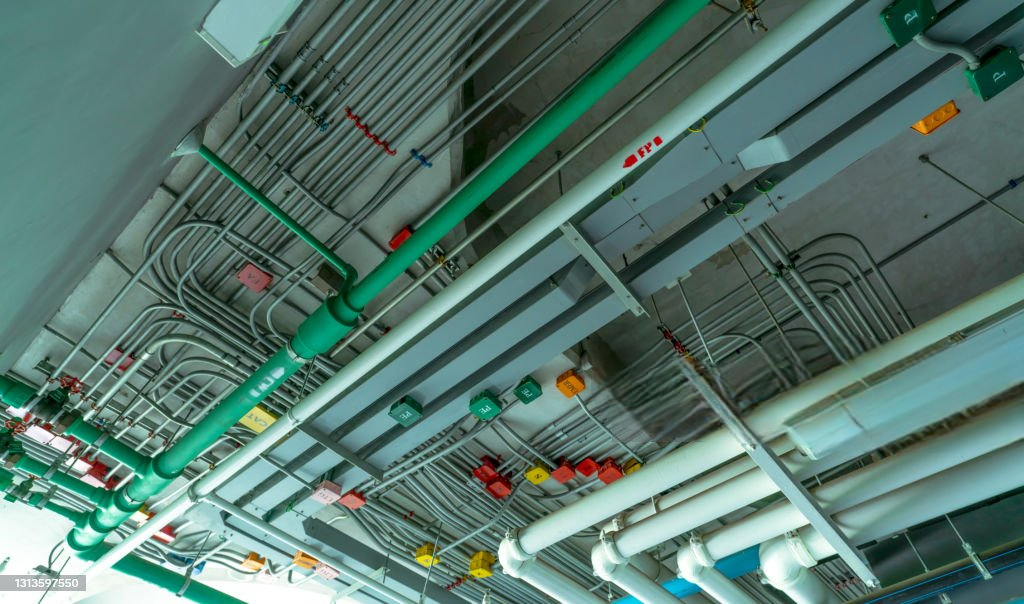
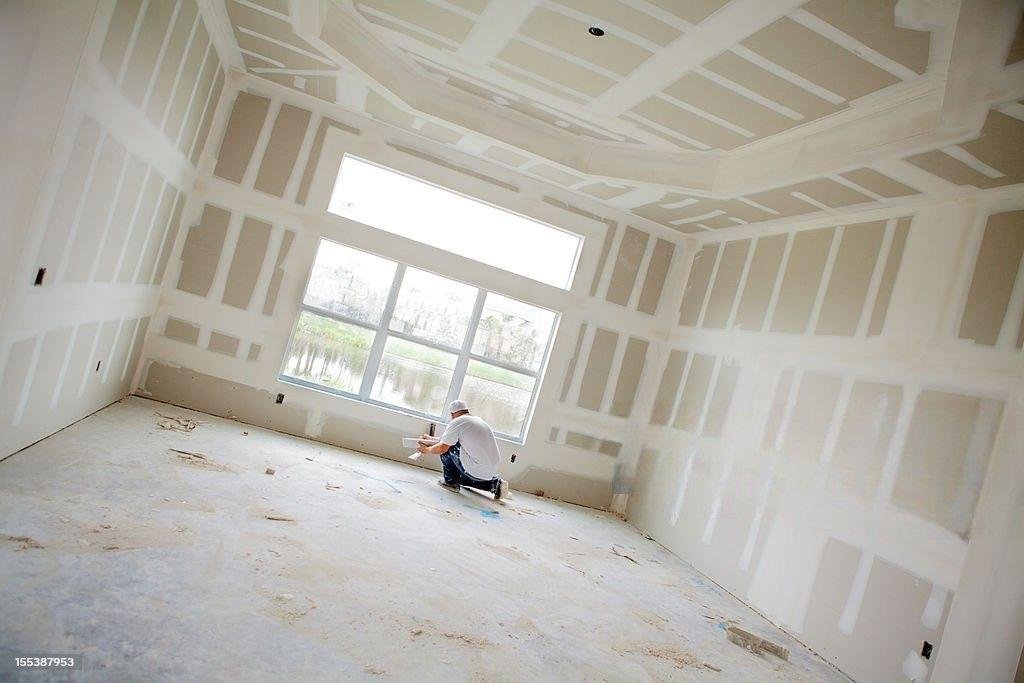
Infrastructure Before Finishes: For central and ducted (concealed) systems, planning and infrastructure must be completed before the building's final finishes. This includes extending copper lines, drain pipes, and defining air duct (Duct) paths within walls or ceilings to ensure aesthetic and effective concealment.
Basic Installation Steps (Example: Split AC)
Installing a split AC is the most common process in homes and involves these steps:
Mounting the Indoor Unit: The indoor unit is mounted on the wall using a level bracket, ensuring it is level for proper water drainage.
Mounting the Outdoor Unit: The outdoor unit is mounted on a sturdy frame on the ground or wall, with consideration for vibration and noise insulation.
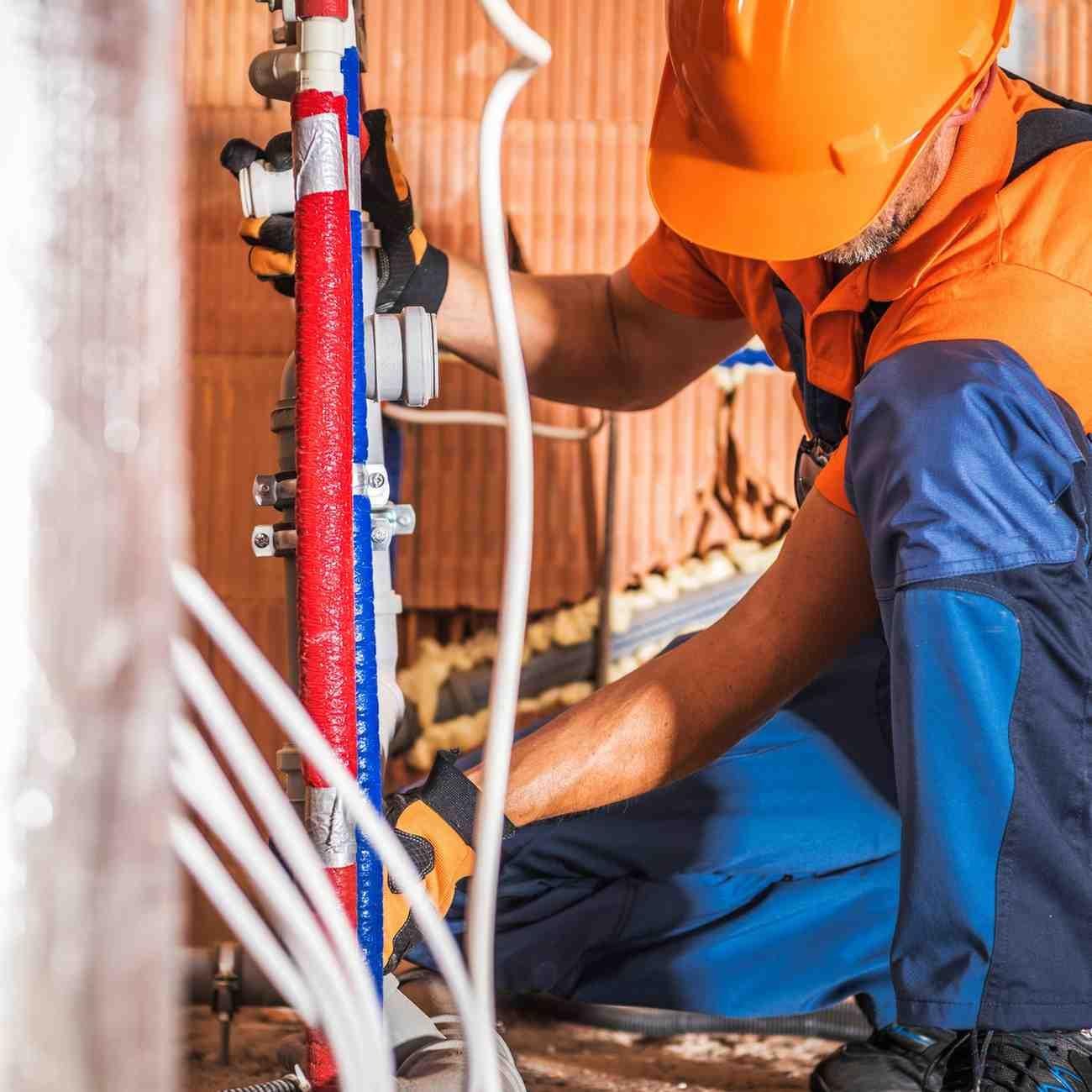
Connecting Pipes and Electricity: Insulated copper refrigerant pipes are routed from the outdoor to the indoor unit. These pipes must be insulated to prevent condensation and energy loss. Appropriate electrical wires (often 220V) are connected using a dedicated circuit breaker for safety.
Insulating Air Ducts (if applicable): In systems using air ducts, these ducts are insulated to reduce cooling loss and ensure cooled air reaches all rooms efficiently.
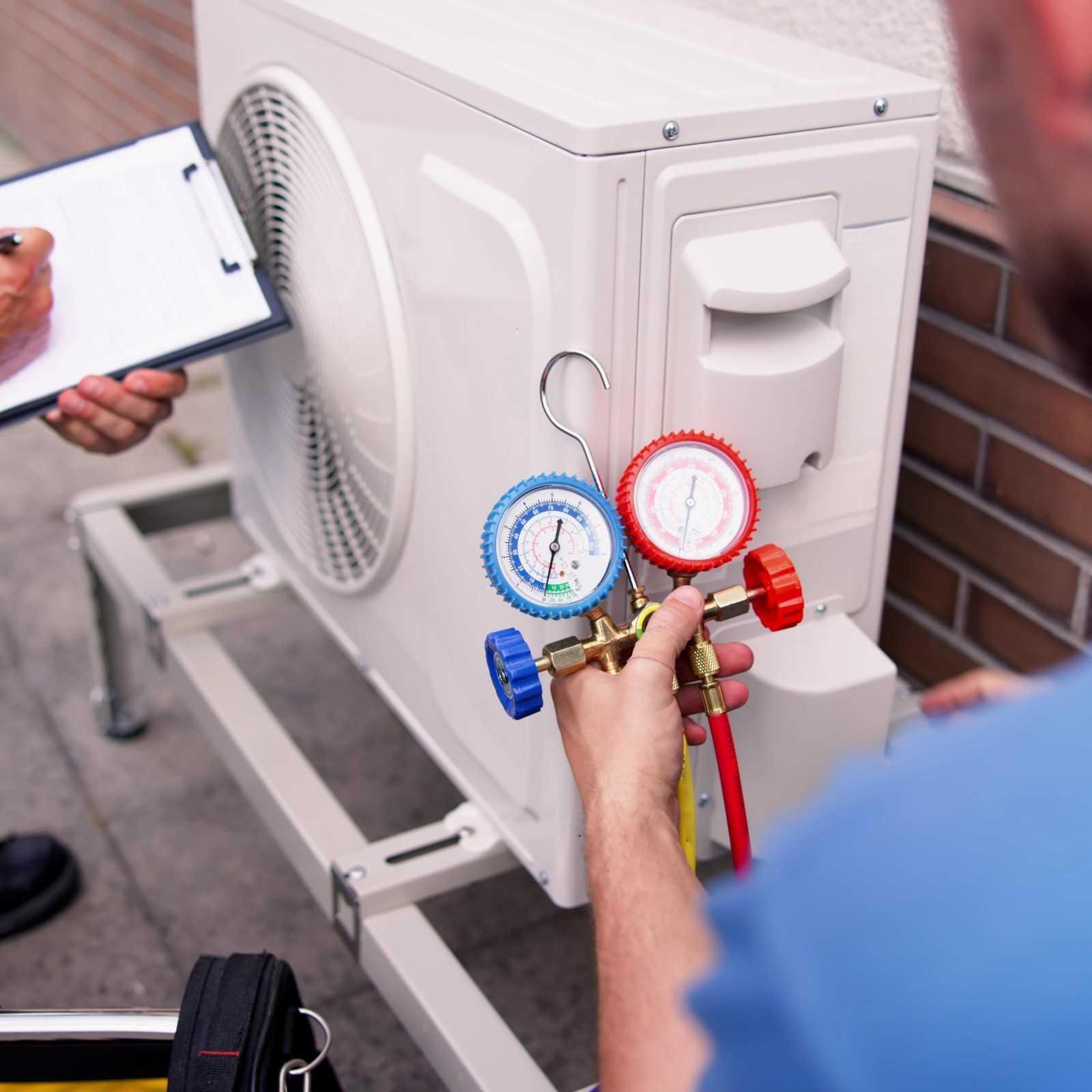
Charging with Gas and Testing: After connections, the system is charged with refrigerant gas (if needed), then the unit is started to check for leaks, abnormal noise, and ensure correct performance.
Calibration and Trial Run: The thermostat is set, and a trial run of the system is conducted to ensure it operates efficiently and provides the required cooling or heating.
It is always strongly recommended to engage a specialized and certified technician for installation, as incorrect installation can lead to equipment damage, reduced efficiency, or even increased electricity consumption.











 by activeGuard