





أعمال التكييف في السعودية: دليل الامتثال والمواصفات وأفضل الممارسات
المقدمة: لماذا تُعد أعمال التكييف عنصراً محورياً في البناء السعودي الحديث؟
في ظل المناخ القاري الصحراوي للمملكة العربية السعودية، حيث تتجاوز درجات الحرارة في الصيف 45 درجة مئوية، لم يعد نظام التكييف رفاهية، بل أصبح ضرورة حياتية وأساساً لضمان الراحة والإنتاجية. يُعد قطاع التكييف أحد أكبر مستهلكي الطاقة في المباني، حيث يُشكل ما نسبته 60-70% من استهلاك الكهرباء في المباني السكنية والتجارية، مما جعله محوراً رئيسياً في استراتيجيات ترشيد الطاقة ضمن رؤية السعودية 2030.
في هذا الدليل الشامل، نستعرض بالتفصيل أطر ولوائح أعمال التكييف في المملكة العربية السعودية، بدءاً من الأكواد والمواصفات، ومروراً بأنظمة التكييف ومراحل تنفيذها واشتراطات السلامة، وانتهاءً بإجراءات التصاريح والجهات الرقابية، مع التركيز على الامتثال الكامل للمتطلبات النظامية.
القسم الأول: الإطار التنظيمي – المرجعيات الأساسية لأعمال التكييف
تخضع أعمال التكييف في المملكة العربية السعودية لمنظومة متكاملة من الأكواد واللوائح والمواصفات التي تهدف إلى توحيد المعايير وضمان أعلى مستويات الجودة والسلامة وكفاءة الطاقة.
أولاً: كود البناء السعودي – الكود الميكانيكي وكود ترشيد الطاقة
الكود السعودي للتهوية الميكانيكية وتكييف الهواء (SBC 601): يُعتبر هذا الكود المرجعية الأساسية لأنظمة التهوية والتكييف في المباني غير السكنية. يغطي الكود متطلبات كفاءة الطاقة، والغلاف الخارجي للمبنى، والتدفئة والتهوية وتكييف الهواء، وجودة الهواء الداخلي، والإضاءة. كما يُلزم بتوفير معدلات تهوية محددة للمساحات المختلفة داخل المباني، مثل الفنادق والمباني التجارية.
الكود السعودي للأعمال الميكانيكية (SBC 501): يُحدد هذا الكود المتطلبات الفنية والهندسية لتصميم وتركيب وتشغيل وصيانة الأنظمة الميكانيكية في المباني، بما فيها أنظمة التدفئة والتهوية وتكييف الهواء (HVAC)، وأنظمة الحماية من الحرائق.
كود البناء السعودي العام (SBC 201): يُشترط أن تكون جميع التشطيبات والأنظمة، بما فيها أنظمة التكييف، مطابقة للمواصفات الفنية المعتمدة في العقد، مع مراعاة اشتراطات السلامة والصحة العامة في جميع مراحل البناء والتشييد.
🔗 المراجع الرسمية:
ثانياً: المواصفات القياسية السعودية (SASO) – كفاءة الطاقة والجودة
تشترط الهيئة السعودية للمواصفات والمقاييس والجودة (SASO) توفر مواصفات قياسية لمنتجات أجهزة التكييف المستخدمة في السوق السعودي، مع تحديثات مستمرة لرفع كفاءة الطاقة:
SASO 2663:2025 – أجهزة التكييف منخفضة السعة (الصغيرة والمتوسطة): هذه المواصفة الجديدة، التي ستدخل حيز التنفيذ في 2026، تُحدث متطلبات كفاءة الطاقة لأجهزة التكييف المنزلية والتجارية الصغيرة، وتستبدل مقياس الكفاءة التقليدي (EER) بـ معامل كفاءة الطاقة الموسمي (SEER)، مما يعكس أداء الجهاز على مدار مواسم مختلفة.
SASO 2874:2025 – أجهزة التكييف كبيرة السعة (المركزية والأنظمة التجارية الكبيرة): تختص هذه المواصفة بأنظمة التكييف المركزية والأنظمة التجارية الكبيرة، وتُحدث أيضاً متطلبات الكفاءة وتتبنى نظام SEER بدلاً من EER.
اللائحة الفنية العامة لكفاءة استهلاك الطاقة: تحدد متطلبات الحصول على بطاقة كفاءة الطاقة الملزمة لجميع أجهزة التكييف، والتي توضح للمستهلك الاستهلاك السنوي للطاقة وفئة كفاءة الجهاز.
🔗 المراجع الرسمية:
ثالثاً: نظام SABER وشهادات المطابقة
يُعد الحصول على شهادة المطابقة (PCoC) وشهادة شحنة (SCoC) عبر نظام SABER إجراءً إلزامياً لجميع أجهزة التكييف المستوردة أو المصنعة محلياً. يهدف النظام إلى ضمان سلامة المنتجات ومطابقتها للمواصفات القياسية السعودية قبل دخولها السوق. تشمل متطلبات SABER لأجهزة التكييف:
تقديم تقارير اختبار معتمدة تثبت مطابقة الجهاز لمواصفات SASO 2663 أو SASO 2874.
تقديم شهادة كفاءة الطاقة.
الحصول على شهادة G-Mark للسلامة (إذا كانت سعة الجهاز تتطلب ذلك).
🔗 المرجع الرسمي:
رابعاً: اشتراطات الدفاع المدني للسلامة
تولي المديرية العامة للدفاع المدني اهتماماً خاصاً باشتراطات السلامة في أنظمة التهوية والتكييف، خاصة فيما يتعلق بالحماية من الحريق:
تصميم وتركيب أنظمة التهوية والتكييف: يجب أن يتم تصميم وتركيب وصيانة جميع أنظمة التهوية والتكييف وفقاً لمواصفات الهيئة العربية السعودية للمواصفات والمقاييس (SASO).
توزيع قنوات التكييف: يُفضل أن تُوزع قنوات التكييف توزيعاً لا مركزياً، وذلك بأن تُقسم إلى أقسام مستقلة يختص كل منها بجزء من المبنى، للحد من انتشار الدخان والنيران في حالة الحريق.
مخمدات الحريق (Fire Dampers): يجب تركيب مخمدات حريق في نقاط اختراق قنوات التهوية للجدران والأسقف المقاومة للحريق، لمنع انتقال النار والدخان عبر مجاري الهواء.
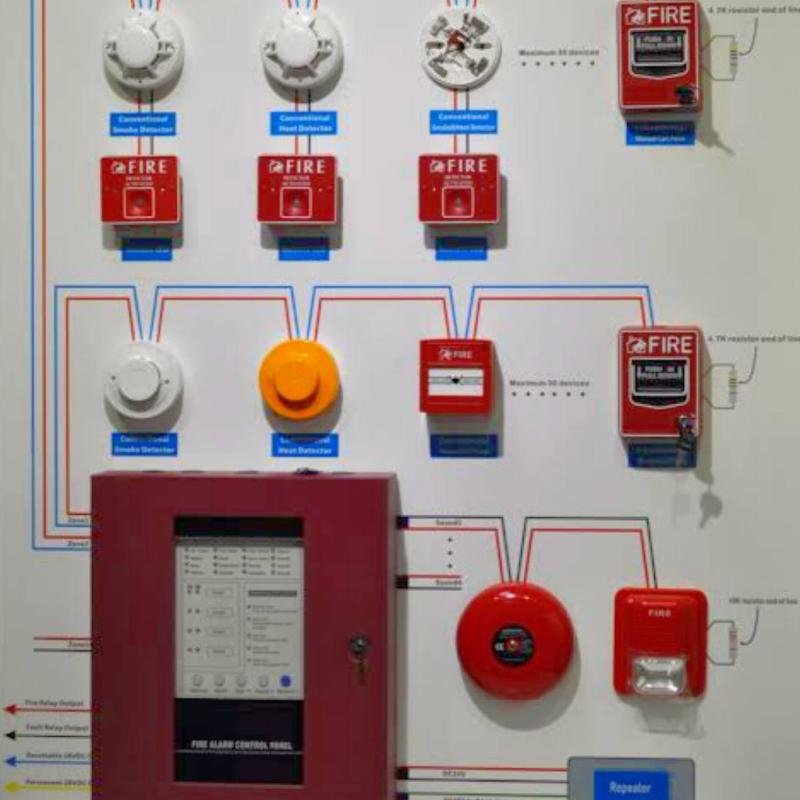
التحكم في الدخان: يجب تجهيز قنوات نظام التهوية والتكييف المركزي بكاشفات للدخان تعمل تلقائياً على إيقاف تشغيل الجهاز بالكامل عند اكتشاف الدخان.
🔗 المراجع الرسمية:
خامساً: المعايير الدولية المعتمدة
تعتمد المملكة العربية السعودية مجموعة من المعايير الدولية في مجال أنظمة التكييف، من أبرزها:
ASHRAE (الجمعية الأمريكية لمهندسي التدفئة والتبريد): المعيار الرائد في تصميم أنظمة التدفئة والتهوية وتكييف الهواء، ويُستخدم كمرجعية رئيسية في كود البناء السعودي.
NFPA (الجمعية الوطنية للحماية من الحرائق): خاصة NFPA 92 لأنظمة التحكم في الدخان، و NFPA 90A لأنظمة التهوية والتكييف.
CIBSE (دليل التصميم للمملكة العربية السعودية): يهدف إلى وضع الحد الأدنى من معايير التصميم لأنظمة HVAC في المملكة.
القسم الثاني: أنواع أنظمة التكييف – دليل شامل للمقاولين والمهندسين
تتنوع أنظمة التكييف في المملكة حسب حجم المبنى وطبيعة الاستخدام والميزانية، ولكل نظام مواصفاته الفنية وتطبيقاته المحددة:
1. أنظمة التكييف المستقلة (السبليت – Split AC)
المكونات: وحدة داخلية تُثبت داخل الغرفة ووحدة خارجية توضع خارج المبنى، ويتصل بينهما أنابيب نحاسية.
المميزات: سهولة التركيب، تكلفة أولية منخفضة، كفاءة عالية للمساحات الفردية.
العيوب: غير مناسب للمساحات الكبيرة جداً، يتطلب وحدة خارجية لكل غرفة مما يؤثر على المظهر الخارجي للمبنى.
الاستخدامات: الفلل السكنية، المكاتب الصغيرة، المحلات التجارية.
2. أنظمة التكييف متعددة الوحدات (Multi-Split / VRF)
المكونات: وحدة خارجية واحدة تتصل بعدة وحدات داخلية (من 2 إلى 8 وحدات)، مع إمكانية التحكم في كل وحدة على حدة.
المميزات: كفاءة طاقة عالية، إمكانية التشغيل والتحكم المستقل لكل منطقة، تصميم أنيق للواجهة الخارجية.
العيوب: تكلفة أولية أعلى من السبليت التقليدي، يتطلب مصممين وفنيين ذوي خبرة.
الاستخدامات: المباني السكنية متعددة الشقق، المكاتب المتوسطة، المستشفيات والفنادق.
3. أنظمة التكييف المركزية – أنظمة تدفق وسيط التبريد المتغير (VRF)
المبدأ: يعمل على أساس تقنية تغيير حجم مركب التبريد (الفريون) من خلال التحكم بتردد الضاغط، مما يسمح بتوزيع كمية غاز التبريد المطلوبة بدقة لكل وحدة داخلية.
المميزات: كفاءة طاقة عالية جداً، تشغيل هادئ، تحكم دقيق في درجة الحرارة، مرونة في التصميم.
الاستخدامات: المباني التجارية الكبيرة، الفنادق، المستشفيات، المجمعات السكنية الفاخرة.
4. أنظمة التكييف المركزية – أنظمة التبريد بالمياه المبردة (Chillers)
المكونات: مبرد مياه مركزي (Chiller)، مضخات مياه، وحدات مناولة هواء (Air Handling Units – AHU)، وفن كويلات (Fan Coil Units – FCU) موزعة في المبنى.
المميزات: كفاءة عالية للمساحات الكبيرة جداً، قدرة على تبريد مباني ضخمة (أبراج، مجمعات، مدن صناعية)، طول العمر الافتراضي.
العيوب: تكلفة أولية وصيانة عالية، يتطلب غرفة ميكانيكية مركزية ومساحات لمجاري الهواء، تركيب معقد.
الاستخدامات: الأبراج العملاقة، المطارات، المستشفيات الكبيرة، المدن الجامعية.
القسم الثالث: مراحل تنفيذ أعمال التكييف – من التصميم إلى الإنجاز
لضمان الحصول على نظام تكييف عالي الجودة ومتوافق مع الأنظمة، يجب اتباع منهجية عمل منظمة تشمل المراحل التالية:
المرحلة الأولى: التصميم والتخطيط (Design & Planning)
تبدأ العملية بدراسة متأنية لاحتياجات المبنى وطبيعة استخدامه، تشمل:
حساب أحمال التبريد والتدفئة بدقة وفقاً للمعايير المعتمدة (ASHRAE أو CIBSE).
تحديد معدلات التهوية المطلوبة لكل مساحة وفقاً لـ SBC 601.
اختيار نظام التكييف المناسب بناءً على حجم المبنى، الميزانية، والمواصفات الجمالية.
إعداد المخططات التفصيلية (Shop Drawings) التي تشمل مواقع الوحدات، مسارات مجاري الهواء (Ducts)، توصيلات الأنابيب (Pipe Routing)، ونقاط التحكم.
المرحلة الثانية: التنسيق مع التخصصات الأخرى
يُعد التنسيق بين تخصصات الميكانيكا والكهرباء والمدني والسلامة أمراً حيوياً لنجاح المشروع:
التنسيق مع المهندس المعماري: تحديد مواقع الوحدات الخارجية والداخلية، وفتحات التهوية، ومسارات مجاري الهواء بما لا يتعارض مع التصميم المعماري والإنشائي.
التنسيق مع المهندس الكهربائي: تحديد متطلبات الطاقة والتغذية الكهربائية (الأحمال، القواطع، الأسلاك، لوحات التوزيع) لكل نظام تكييف.
التنسيق مع مهندس السلامة: ضمان تركيب مخمدات الحريق (Fire Dampers) في نقاط الاختراق، وتكامل أنظمة التكييف مع أنظمة التحكم في الدخان وكاشفات الدخان.
المرحلة الثالثة: توريد المعدات وفحص الجودة
اختيار المعدات: توريد أجهزة تكييف من ماركات معتمدة ومطابقة للمواصفات القياسية السعودية (SASO).
فحص الجودة: التأكد من حصول كل جهاز على شهادة المطابقة (PCoC) عبر نظام SABER، وشهادة كفاءة الطاقة (بطاقة كفاءة الطاقة).
فحص المواد المساعدة: التأكد من جودة الأنابيب النحاسية، مواد العزل الحراري، مجاري الهواء (Ducts) ومخمدات الحريق.
المرحلة الرابعة: التركيب والتنفيذ (Installation & Execution)
تركيب الوحدات: تثبيت الوحدات الخارجية والداخلية في مواقعها المحددة وفقاً للمخططات المعتمدة، مع مراعاة التهوية المناسبة للوحدات الخارجية.
تمديد الأنابيب والتوصيلات: توصيل الأنابيب النحاسية بين الوحدات الداخلية والخارجية، مع التأكد من نظافتها وختمها بإحكام، وعزلها حرارياً بمواد عازلة معتمدة.
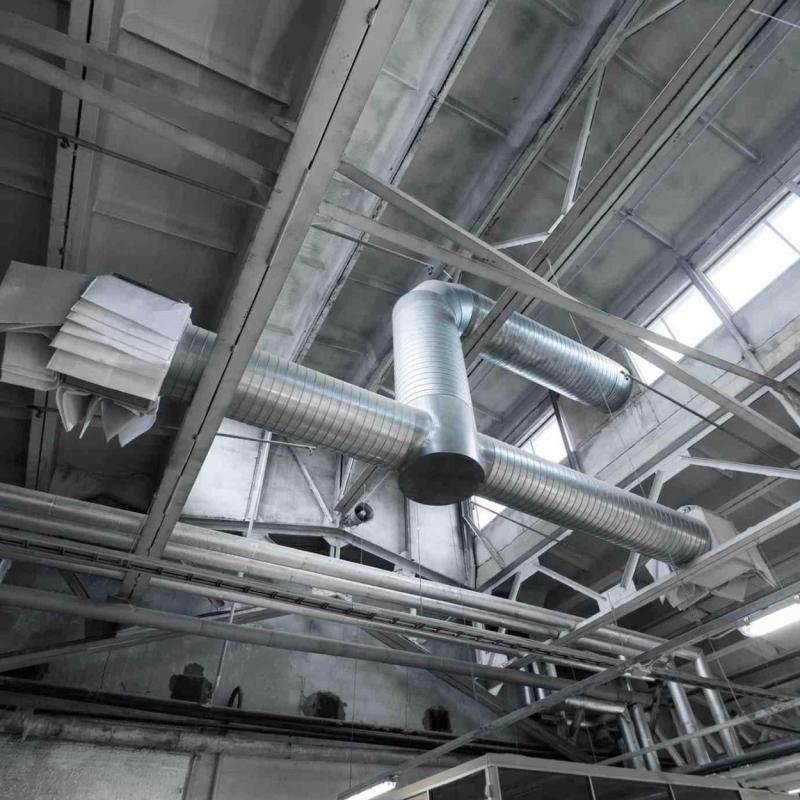
تمديد مجاري الهواء (Ducting): تركيب مجاري الهواء (Ducts) وفقاً لمعايير NFPA 90A، مع عزل حراري مناسب لمنع فقدان الطاقة والتكثيف.
التوصيلات الكهربائية: توصيل الأجهزة بلوحات التوزيع الكهربائية باستخدام أسلاك وقواطع مطابقة للأحمال المطلوبة، مع تركيب أنظمة الحماية من التيار الزائد والتسرب الأرضي.
المرحلة الخامسة: الاختبار والتشغيل والتسليم (Testing, Commissioning & Handover)
اختبار الضغط (Pressure Test): إجراء اختبار ضغط على الأنابيب النحاسية للتأكد من عدم وجود تسرب لغاز التبريد.
اختبار التفريغ (Vacuum Test): تفريغ الهواء والرطوبة من دائرة التبريد باستخدام مضخة تفريغ.
شحن غاز التبريد: شحن النظام بغاز التبريد الموصى به من قبل الشركة المصنعة بالكمية المناسبة.
اختبار الأداء (Performance Test): تشغيل النظام واختبار أدائه في ظروف تشغيل مختلفة (تبريد، تدفئة إن وجدت، سرعات مروحة مختلفة)، وقياس درجات الحرارة وتدفق الهواء للتأكد من مطابقته للمواصفات.
**إعداد